Container Office Units
Published 4 Aug 2025 · Updated 2 Sept 2026 · 6 min read
Container Office Units vs. Permanent Buildings
Which suits you better? 5 reasons to compare before you decide
In a fast-changing business world, choosing between a container office unit vs. a permanent building is a major bet. It is not just about finding somewhere to sit and work, but an investment in the future of your organisation. Many people are familiar with constructing a permanent building, and it is true that it makes good use of the land, but today container office units have emerged as a highly attractive alternative. Whether to choose a container office unit (Container Office) or a permanent building (Conventional Building) depends on your business’s main objectives, budget and operating timeline. This article invites you to compare 5 key reasons to help you decide “which suits you better.”
1. Time: “Who is faster” at seizing business opportunities?
- Permanent building: Takes a long time, from design, permits, piling, structural construction to interior finishing, which can take up to a year or more. Delay is a hidden opportunity cost for the business. Installation speed is low, requiring 4-12 months of on-site construction or longer.
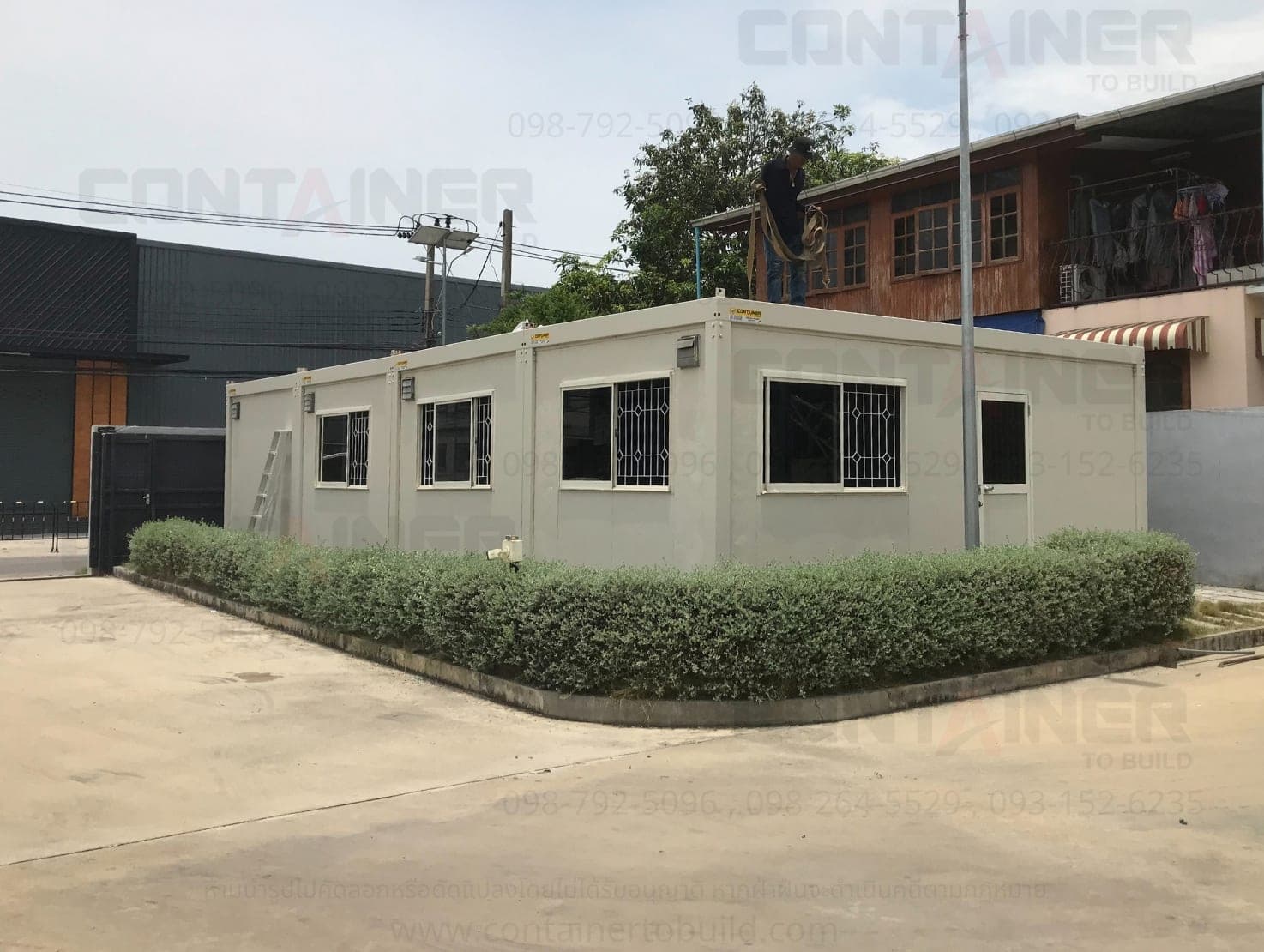
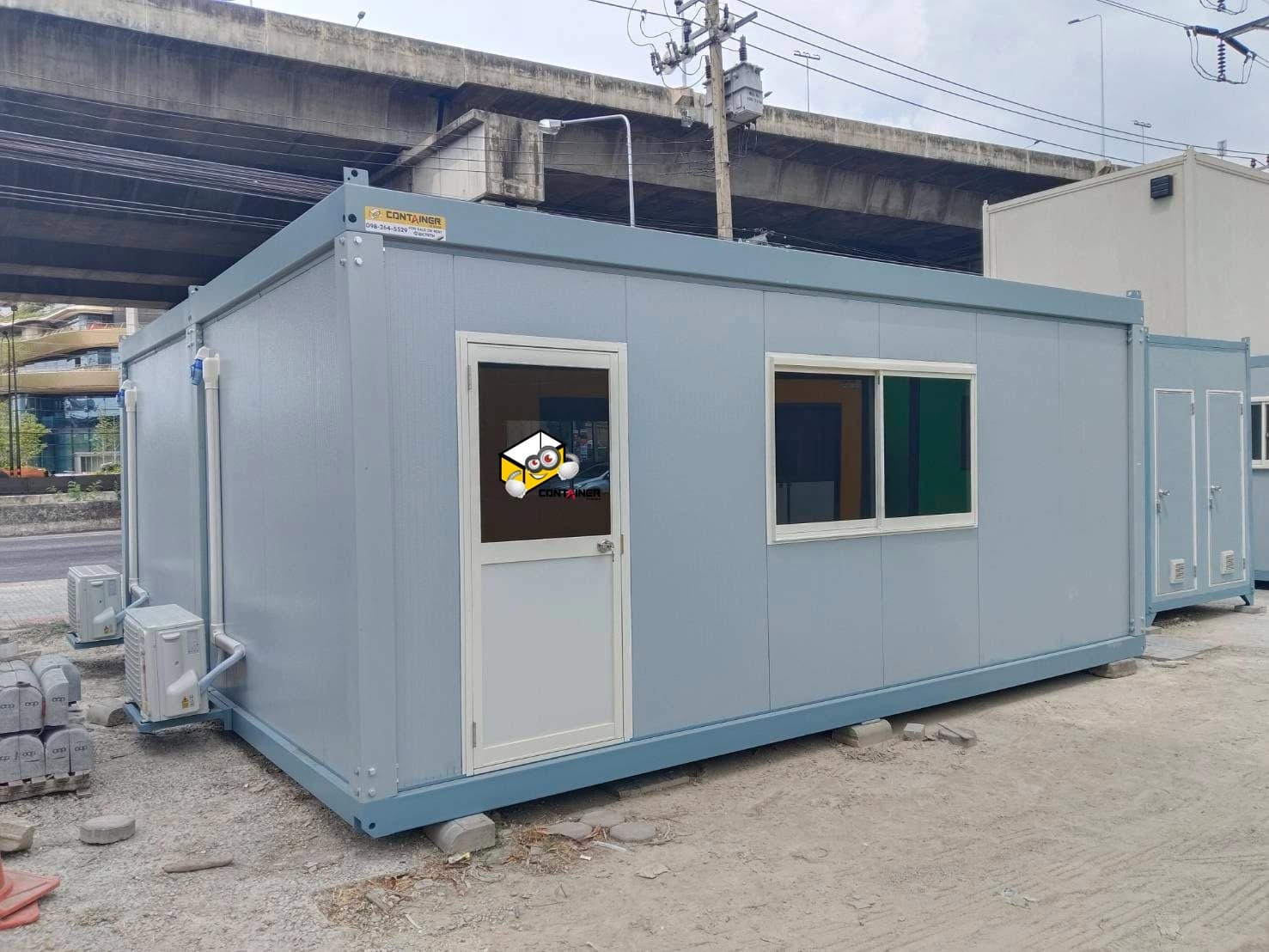
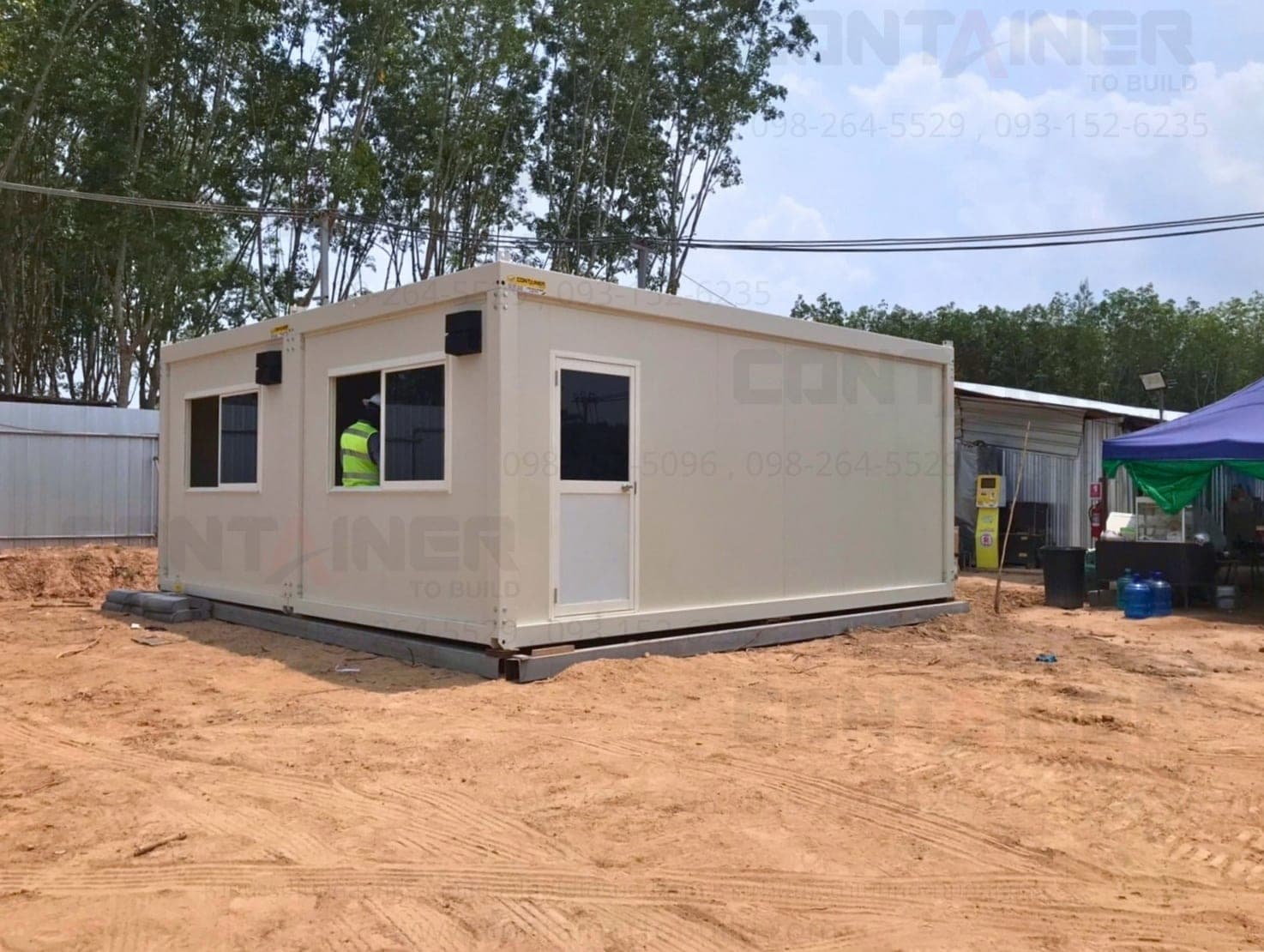
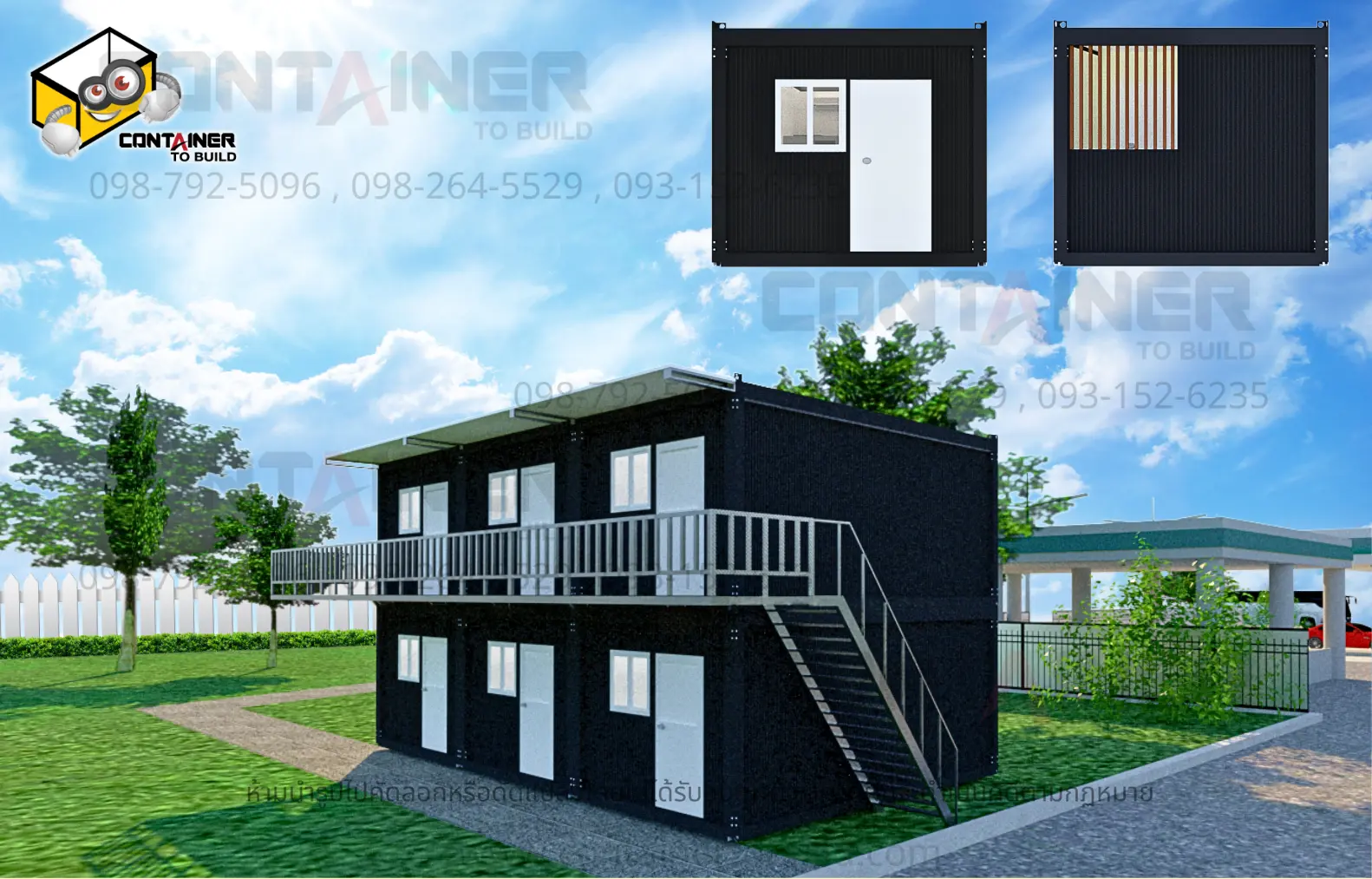
- Container office unit: Installation speed is very high (factory-built). It can be installed and ready to use within 1-4 weeks as a “Plug & Play” solution. It can be built in advance and installed on site within a few days or a few weeks, so you have an office ready to use quickly and can seize business opportunities in time. Most container units are built and fitted out (insulation, electrical system, windows/doors) at the factory. Once delivered to the site, they can be lifted and installed within a few hours or a few days, ready to use immediately, without spending months on a traditional building construction process.
2. Flexibility: “How adaptable” are you in a world that never stands still?
- Permanent building: Once completed, the structure can hardly be changed or moved at all. If the business expands or needs to relocate, you may have to invest in building everything again. Mobility is low: it is a fixed structure that cannot be moved. Expansion has low flexibility; additions take a long time and require new permits. Size and space have no limits; you can build large and complex spaces. Book value: a fixed asset that adds value to the land over the long term.
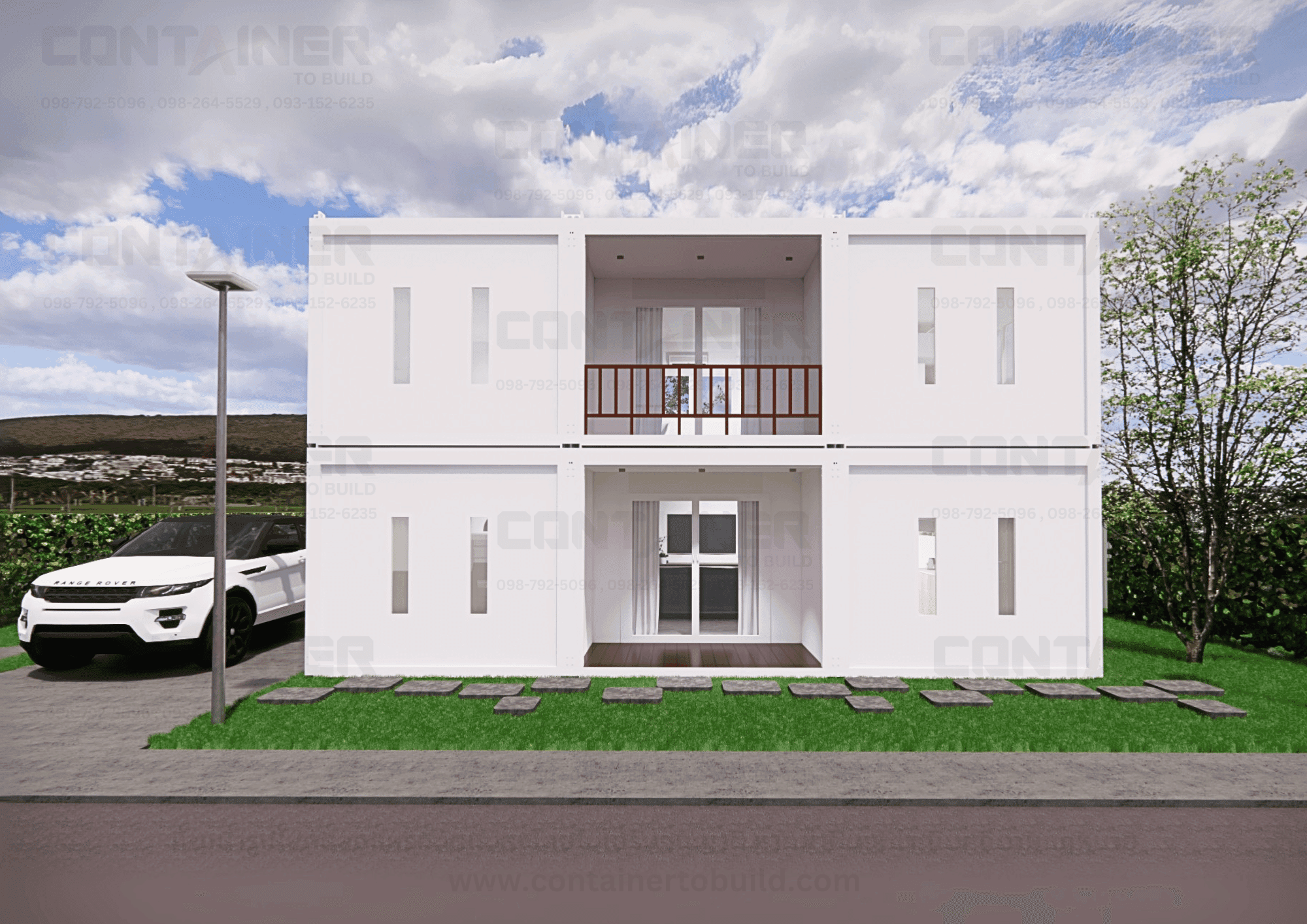
- Container office unit: The very definition of flexibility! You can add units to expand the space, change the layout, or even relocate to a new site with ease. It suits businesses that need high agility and supports growth and unexpected change. Mobility/relocation: very high; it can be lifted and moved for use elsewhere when the project ends. Expansion: highly flexible; new units can be added alongside or stacked immediately. Size and space are limited by standard unit dimensions (e.g. 2.4-3.0 metres wide), suited to small to medium spaces. Book value: an asset that can be resold second-hand. Easy to move: container units are designed for transport, so they can be lifted and moved to a new job site or another location conveniently (ideal for businesses with short-term projects or that need to relocate often). Units can be placed side by side or stacked to add office space as needed, and units no longer in use can be removed when space requirements decrease.
3. Budget and investment: What is truly “good value”?
- Permanent building: Has a very high initial cost, including land, construction and design costs, and often hidden costs or overruns during construction. Cost is high, requiring investment in structure, foundations and permanent materials. Longest service life: a permanent reinforced-concrete building lasts for many decades (50 years or more), giving you confidence in having a stable office for future business operations. Adds value to the land: the permanent building is a fixed asset that significantly adds value and worth to your land. Over time, property values tend to rise as well. Corporate image: a permanent building conveys credibility, stability and serious investment to customers, partners and employees.
- Container office unit: Initial cost is low, suited to businesses that want to avoid a large capital investment (CAPEX). The starting cost is noticeably lower, the budget is much easier to control, and there is also a rental option, which lets you shift from a “large capital investment (CAPEX)” to an “operating expense (OPEX)”, easing the financial burden and improving business liquidity. Buying or renting a container office unit has a much lower initial cost than constructing a permanent building of the same size. Easy budget control: costs are usually clear from the start, whether as an outright purchase or a monthly rental, allowing precise budget control.
4. Image and identity: “Building a brand” or just “having a workplace”?
- Permanent building: Although it can be designed freely, without a high investment you may end up with an office that looks like any ordinary building, lacking a distinctive identity. Any size and shape you want: you can freely design a structure with large, tall spaces, complex shapes or as many floors as you want, without the standard size limits of container units. Maximum functional customisation: you can install structural systems that support special uses such as laboratories, large server rooms, heavy storage areas or grand reception halls. Architectural comfort: a permanent building can have its walls, roof and openings designed according to architectural principles to achieve the best ventilation and natural light, resulting in a more comfortable working environment over the long term.
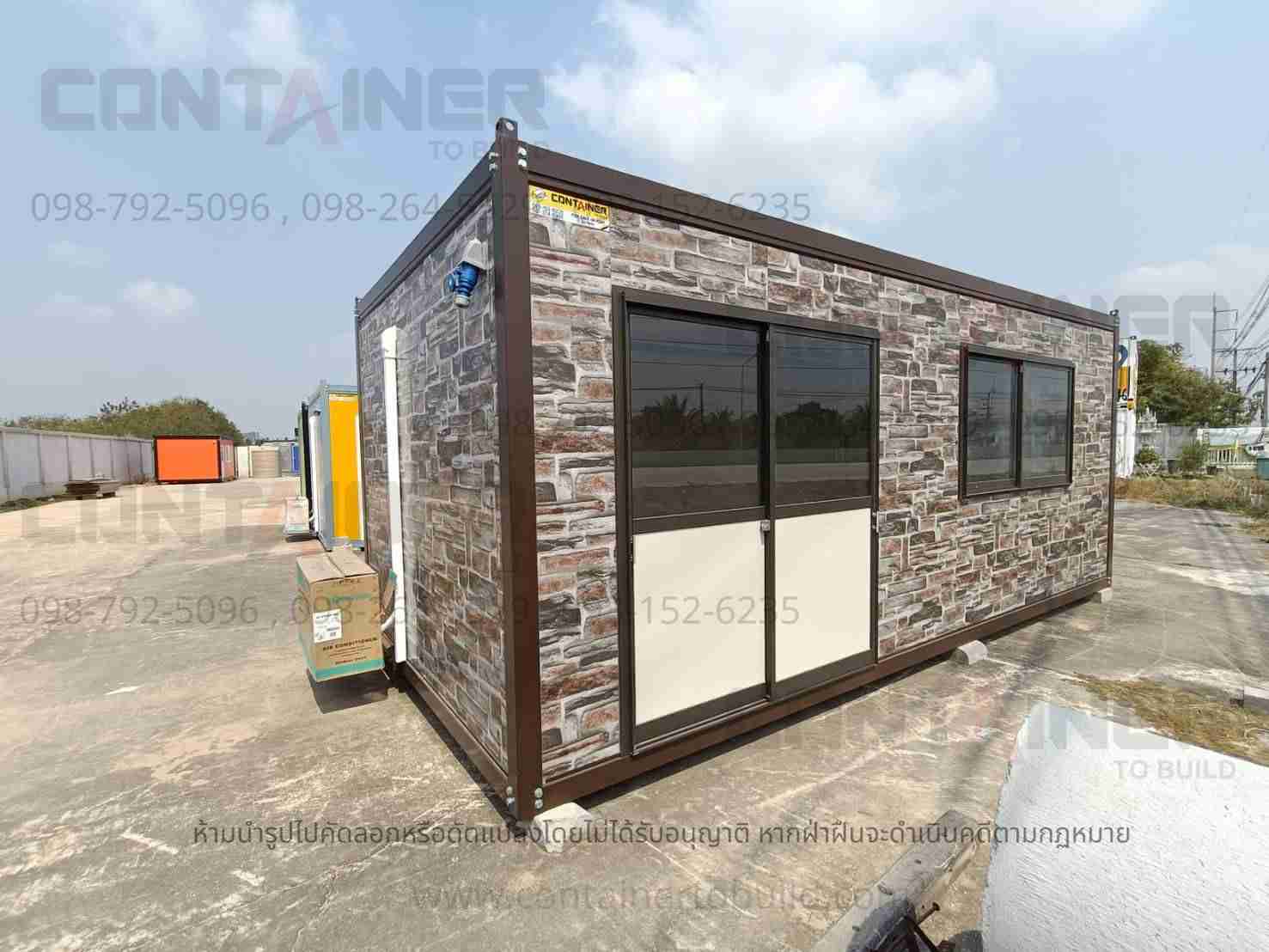
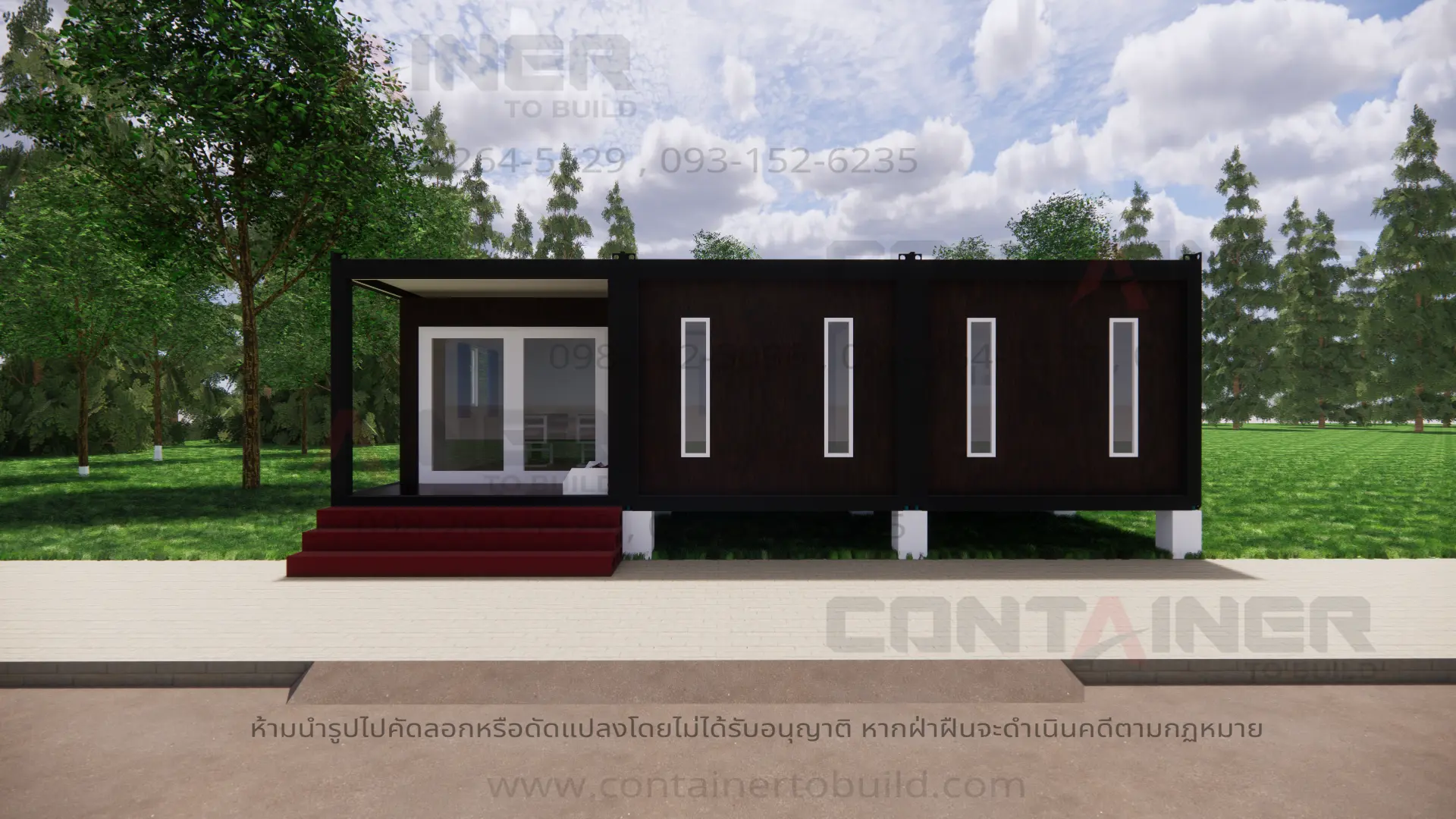
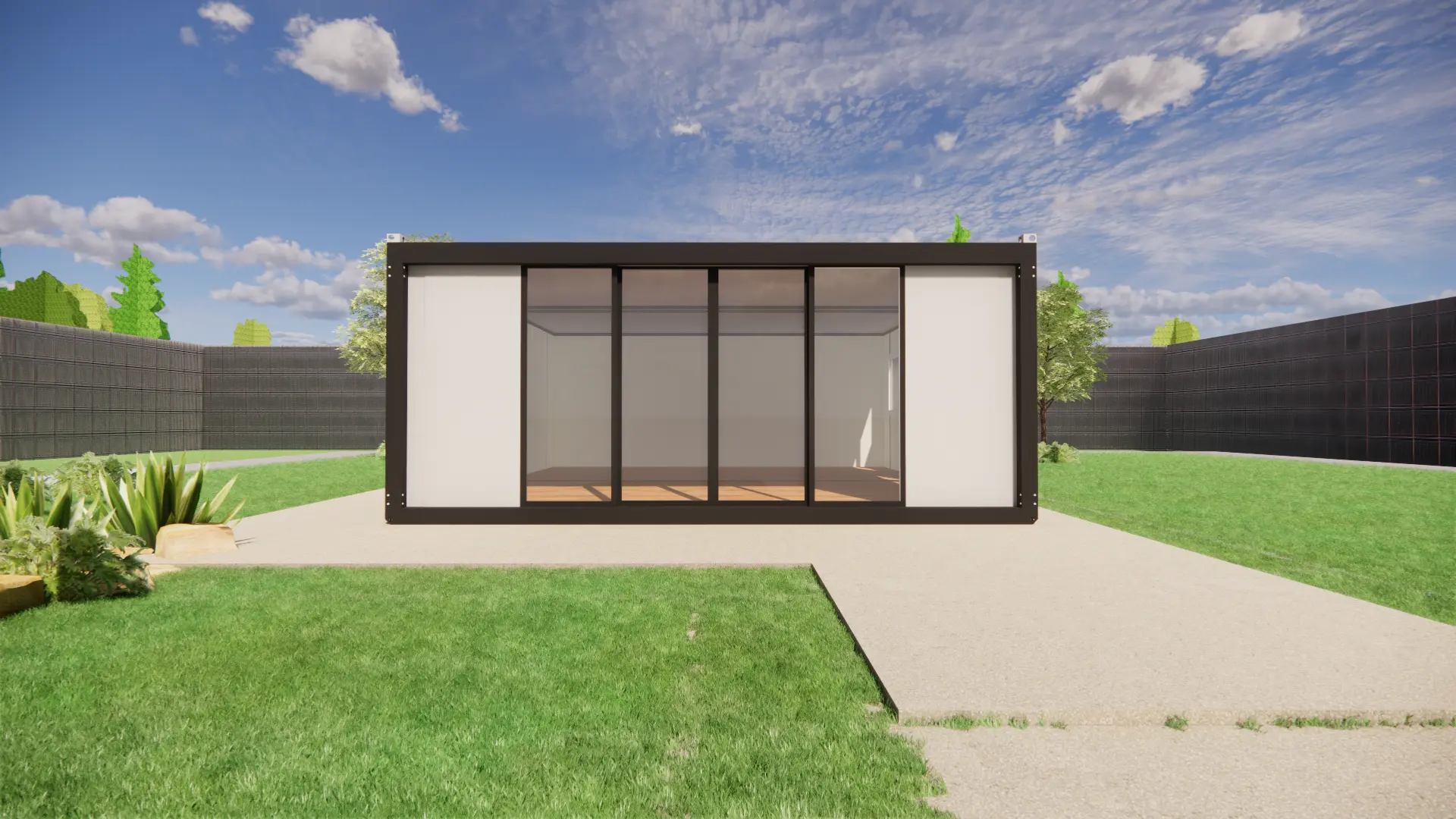
- Container office unit: With its distinctive shape and materials, it can be designed and decorated to look remarkably “striking” and “modern”, creating a memorable image that reflects an organisation that thinks outside the box and supports effective branding. Strong and durable: the steel structure is very strong and withstands weather and heavy use (especially if the unit is new or well maintained). Security: the steel structure provides high security for storing assets and documents. Distinctive design: converted container units can be designed and decorated to be attractive, modern and distinctive in an industrial or modern style, which greatly enhances the corporate image. Highly customisable: door and window positions can be customised, and air conditioning, heat insulation and internal utility systems can be fully installed.
5. Care and maintenance: A “burden” or a “convenience”?
- Permanent building: Requires regular maintenance of the structure, the building and its various systems, which costs money and time. Service life: very long (50 years or more). Thermal performance: wall structures can be designed to dissipate heat better naturally. Legal requirements: a building permit is required and use is strictly controlled by law.
- Container office unit: With its compact size and simple structure, maintenance is easier and much less costly. If you rent a prefabricated office unit, the rental provider usually takes care of maintenance as well, greatly reducing your management burden. Service life: medium to high (10-25 years, depending on care and insulation). Thermal performance: requires high-quality insulation (PU/EPS sandwich panel) to manage heat.
Choose a container office unit if…
- You need a temporary office: such as a construction site office, a project sales office or a test-market office.
- Your budget is limited/you need high liquidity: you do not want to invest a large lump sum and would prefer to turn the cost into a monthly rental (OPEX).
- You need speed: you want to start operating within a few weeks.
- You need flexibility to relocate: the project is likely to move location frequently.
- You want to create an identity: you like a distinctive modular or industrial design.
Choose a permanent building if…
- You need a long-term main office: a permanent location that will be used for more than 25 years.
- You need a large/complex space: you want a multi-storey building with spacious usable areas and a complex internal structure.
- You need maximum stability: a strong structure built to architectural and engineering standards for permanent buildings.
- Your budget is ready: you can bear the higher initial investment.
Summary: There may be no fixed answer to “which is better”, because everything depends on your vision, your short- or long-term usage plans and your business’s specific needs. But if you are looking for speed, flexibility, budget control, a distinctive identity and less maintenance burden to support your business in an era where everything changes rapidly, a container office unit is an option well worth considering, and may be the “future” of the office for your business. Many businesses choose a container unit as a temporary office in the early stages and move to a permanent building when the business has grown and achieved long-term stability.