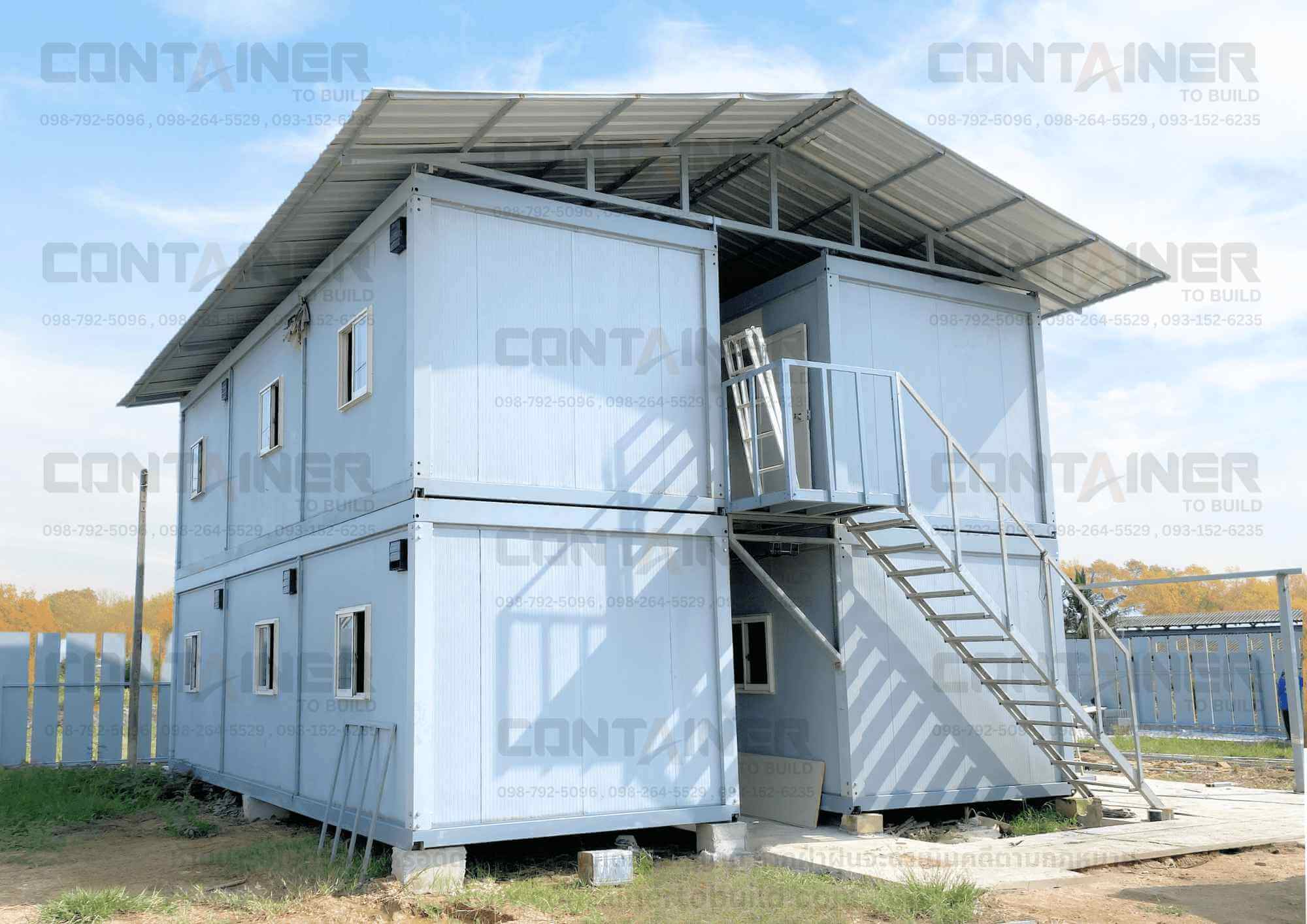
Getting to Know Prefab Houses, Knock-down Houses and Knock-down Units
Published 19 Feb 2025 · Updated 31 Aug 2026
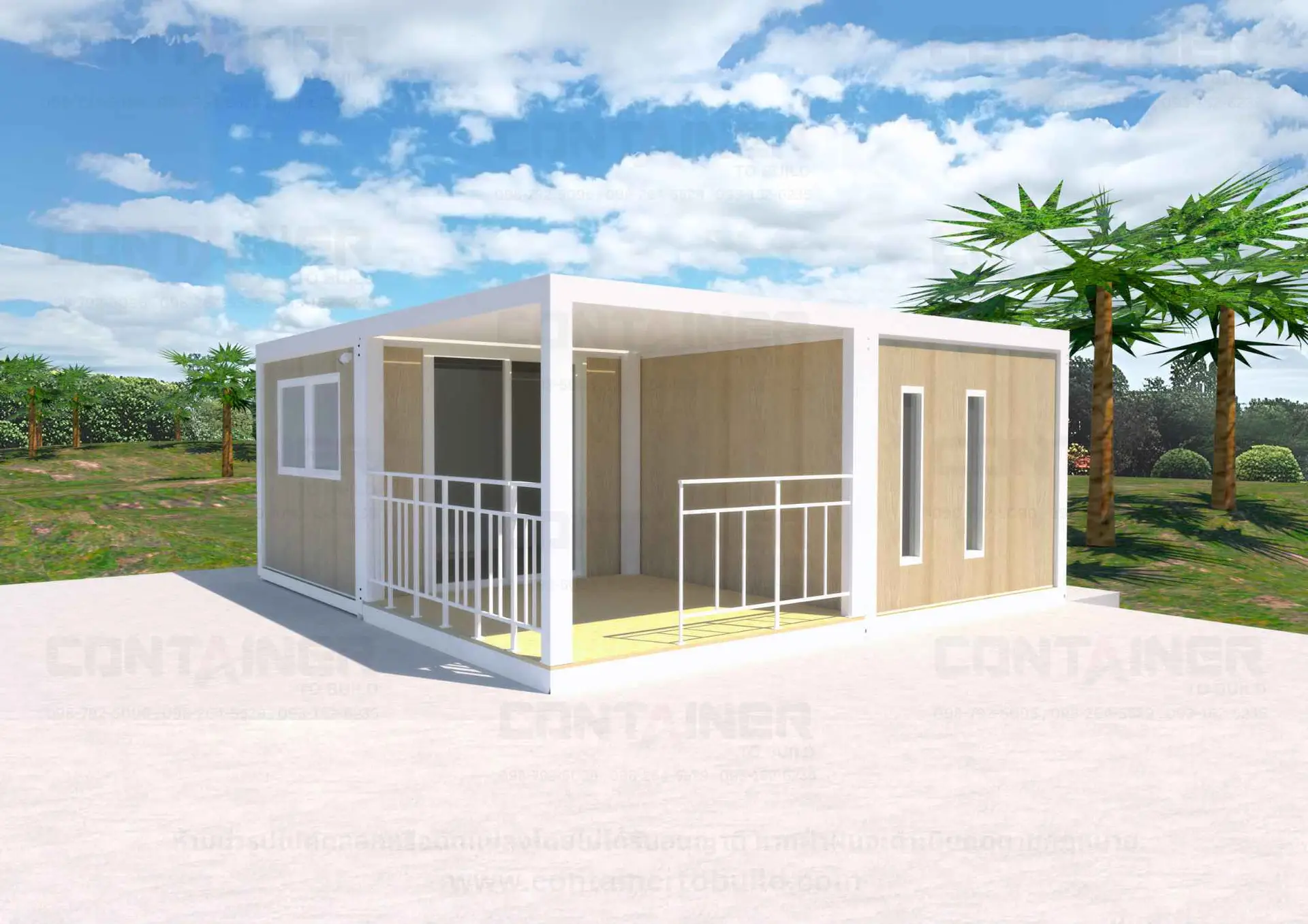
Prefab houses, knock-down houses and knock-down units
Getting to know the prefabricated house, the knock-down house, and the knock-down mobile unit or cabin
1. Prefab houses, knock-down houses and knock-down units
are houses whose parts — or the entire building — are manufactured in a factory and then assembled on site. Construction takes far less time than a conventional house, the structure is usually lightweight, and some models can even be relocated.
What makes prefab houses stand out
Fast to build — made in the factory and simply assembled on site
Good quality control — fewer mistakes than on-site construction
Predictable costs — less labour and less construction waste
Environmentally friendly — less debris and dust from building work
2. Types of prefab houses, knock-down houses and knock-down units
-. Modular homes — built as modules, then joined together into a house
-. Prefab homes — parts are factory-made, then assembled on site
-. Container homes — converted from shipping containers
-. Knock-down houses and knock-down units (Knockdown Home) — lightweight structures that can be taken apart and reassembled
3. Advantages of prefab houses, knock-down houses and knock-down units
* Fast construction: because the parts are made in advance, installation is quick — on average only 1–2 months. Ideal for anyone who needs a building urgently or wants to shorten the construction period.
* Budget-friendly: knock-down houses are usually cheaper than conventionally built houses thanks to lower labour and material costs — and they also cut supervision costs and the losses that come with construction delays.
* Consistent quality: every part is produced in a factory under strict quality control, so you can be confident the house is strong, durable and built to standard.
* Easy to relocate: prefab houses, knock-down houses and knock-down units can be dismantled and moved to a new location with ease — convenient if you may need to move in the future.
* Environmentally friendly: building prefab and knock-down houses generally uses eco-friendlier materials, and the production process helps reduce greenhouse gas emissions.
Beyond that, prefab houses, knock-down houses and knock-down units offer other advantages too: a wide choice of styles and designs, the flexibility to modify or extend to your needs, and — being prefabricated buildings — no construction permit is required in many cases.
That said, prefab houses, knock-down houses and knock-down units do have some limitations — usable space can be limited, they are not as strong as concrete or conventionally built houses, and water leaks can occur if the ground on site is not firm enough.
So when choosing a prefab house, knock-down house or knock-down unit, weigh the pros and cons carefully and choose a trustworthy manufacturer — that is how you get a quality house that truly fits your needs.
4. Disadvantages and limitations to consider before choosing a prefab house
* Strength and durability: some prefab houses, knock-down houses and knock-down units have structures that are not as strong as conventionally built houses — especially those made with cheap or sub-standard materials, which wear out faster and are prone to leaks and decay.
* Modifications and extensions: altering or extending a prefab house, knock-down house or knock-down unit is harder than with an ordinary house, because the parts are designed and manufactured in advance — you cannot freely change the floor plan or add rooms later.
* Design limitations: most prefab house designs are more limited and less varied than a custom-built house, so buyers may not find a design that matches their exact taste.
* Noise and heat issues: some prefab houses, knock-down houses and knock-down units struggle with sound and heat insulation — if the walls and roof lack effective insulation, the house gets hot and outside noise comes through easily.
* Service life: some types of prefab house, knock-down house or knock-down unit have a shorter service life than conventionally built houses — especially those using less durable materials, which need frequent repair and maintenance.
* Hidden costs: on top of the house price, buyers may face extra costs for transport and installation, as well as ground preparation and foundations if the site is not level.
* Material choices: buyers usually cannot choose the construction materials themselves, since the manufacturer has already selected them — so you may not get the exact quality or properties you want.
5. Materials used to build knock-down houses and knock-down units
The materials and structure of prefab houses vary by manufacturer and house type, but they generally consist of the following:
. Main structure
* Steel frame: the most popular choice — strong, durable, lightweight and quick to install. Most use galvanized steel, which is coated against rust.
* Timber frame: suits natural-style homes, warm and beautiful, but needs special care against insects and mould.
* Reinforced concrete: very strong and durable, but heavy and harder to install than steel or timber.
. Walls
* Fibre-cement board: the most widely used — resistant to weather, termites and mould, lightweight and easy to install.
* Sandwich panels: steel sheets bonded to an insulating core such as EPS or PU foam — lightweight, easy to install and energy-saving.
* Timber: beautiful and natural, but needs special maintenance.
* Concrete: strong and durable, but heavy and hard to install.
. Roof
* Metal sheet: the most popular — lightweight, inexpensive and easy to install.
* Roof tiles: more attractive and durable than metal sheet, but more expensive.
* Shingle roofing: made from asphalt — durable and attractive, but costly.
. Floor
* Fibre-cement board: the most widely used, thanks to its resistance to water and moisture.
* Timber: beautiful and warm, but needs special care.
* Tiles: attractive and durable, but more expensive.
. Heat and sound insulation
* EPS or PU foam: the most popular heat insulation — affordable and easy to install.
* Fibreglass: highly effective against heat and noise, but more expensive.
* Acoustic insulation: reduces noise from outside and between rooms.
. Doors and windows
* Aluminium: the most popular — weather-resistant and reasonably priced.
* UPVC: similar properties to aluminium at a lower price.
. Electrical and plumbing systems
* Most prefab houses, knock-down houses and knock-down units come with electrical and plumbing systems installed and ready to use.
. Interior finishing
* Buyers can choose interior materials and styles to suit their taste.
Things to consider about prefab houses, knock-down houses and knock-down units
* The materials and structure affect strength, durability, price and appearance.
* Choose materials suited to the climate and environment of the installation site.
If you are considering a prefab house, knock-down house or knock-down unit, understanding these points will help you decide with confidence and get the best value!
For more information about prefab houses and knock-down units, we are happy to advise.
About SBT Worldwide Product
SBT Worldwide Product — a leading Thaimanufacturer and distributor of container units Knock-down houses prefab office units for more than 25 years
- High-quality materials you can rely on for strength
- Japanese innovation
- Quality doors and windows by TOSTEM
- PU foam heat insulation
Our products including Mobile office containers, Worker housing, Prefab toilet units, Guard booths, container coffee shops, prefab retail kiosks
Rental services: office container rental, Office Containers, prefab toilet unit rental on monthly and yearly terms
Container units remain an endlessly creative trend. If you have questions about unusual designs, or would like to share your experience with your container or container office, feel free to leave a comment below. And don’t miss our next article, where we dig deeper and answer your questions onall things containers office containers so you keep finding new inspiration.