How Is Prefabricated Accommodation Different from Conventional Construction???
Published 27 Dec 2024 · Updated 2 Sept 2026 · 3 min read
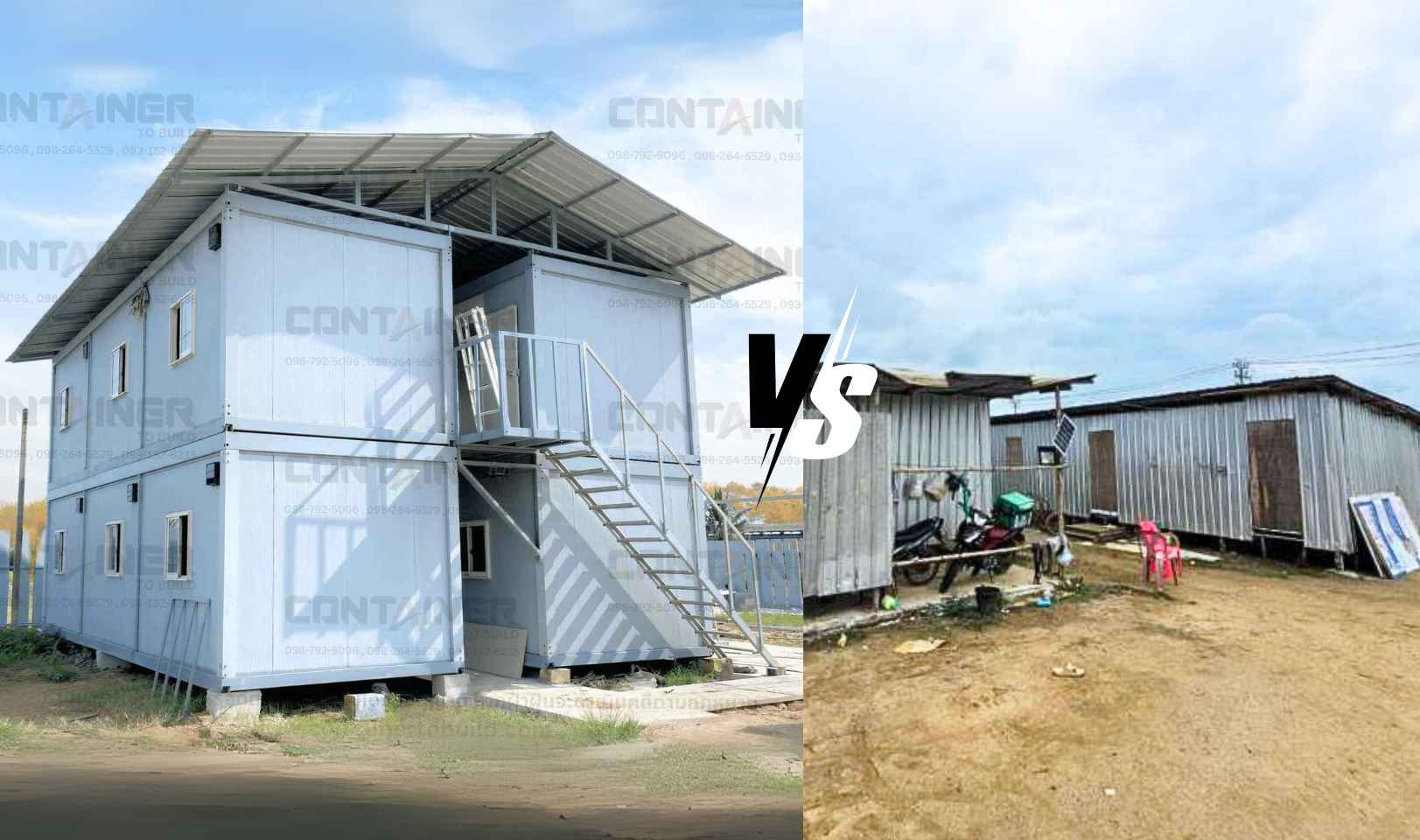
If you have no experience supervising construction, buying “prefabricated staff accommodation” is less exhausting
If you have no experience supervising construction, buying “prefabricated staff accommodation” is less exhausting. But if your company has staff who can supervise and inspect the work, building it yourself is a good option. Supervising, however, means going to look at the site almost every day: checking quality, checking progress, making decisions on site, solving some problems on site, and so on.
Choosing materials is another thing people building their own accommodation have to study. If you hire a good interior designer and architect, it is less exhausting. There are 2 ways to build accommodation yourself:
- Hire an architect to design it to meet your needs exactly, positioning the building to suit the orientation and size of the land
- Hire a home-building company with ready-made house plans and customise them a little; each plan has its own different details
Advantages of building accommodation through conventional construction
- You get accommodation exactly as you want it, for the location and size of the land
- You can choose materials to suit your means and budget
- You can change everything as you please
- You can make the most of the space
Disadvantages of building accommodation through conventional construction
- A high chance of the budget spiralling
- It is very exhausting
- If you get a bad contractor, or the architect, engineer and interior designer do not coordinate, it is a disaster
- The owner should keep their own wishes in check; ideas should be settled before asking the contractor to do anything, otherwise there will be endless building and tearing down, and the time taken will drag on beyond control
- Lots of dust to clean up, and you have to find somewhere to dispose of leftover construction waste
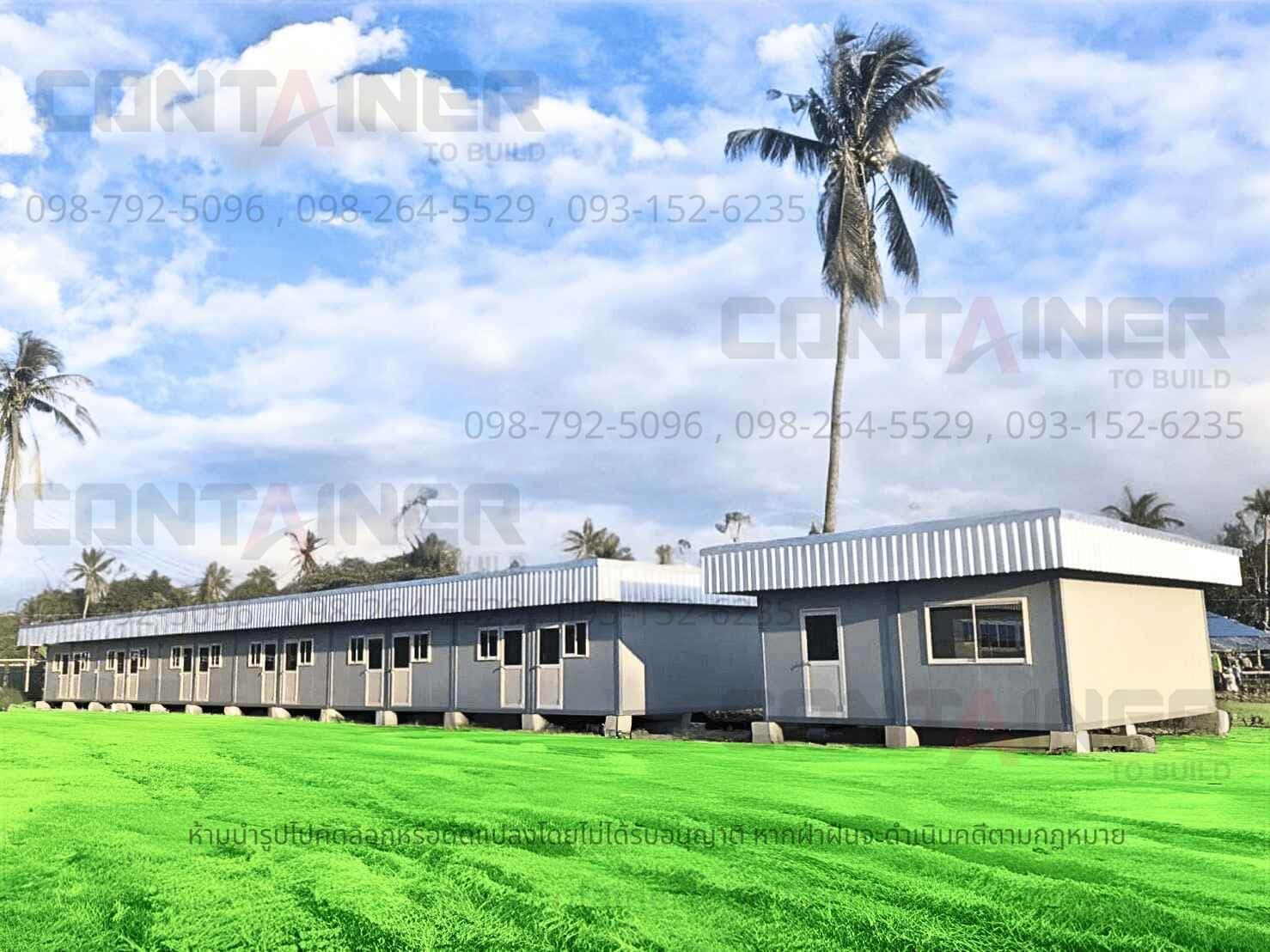
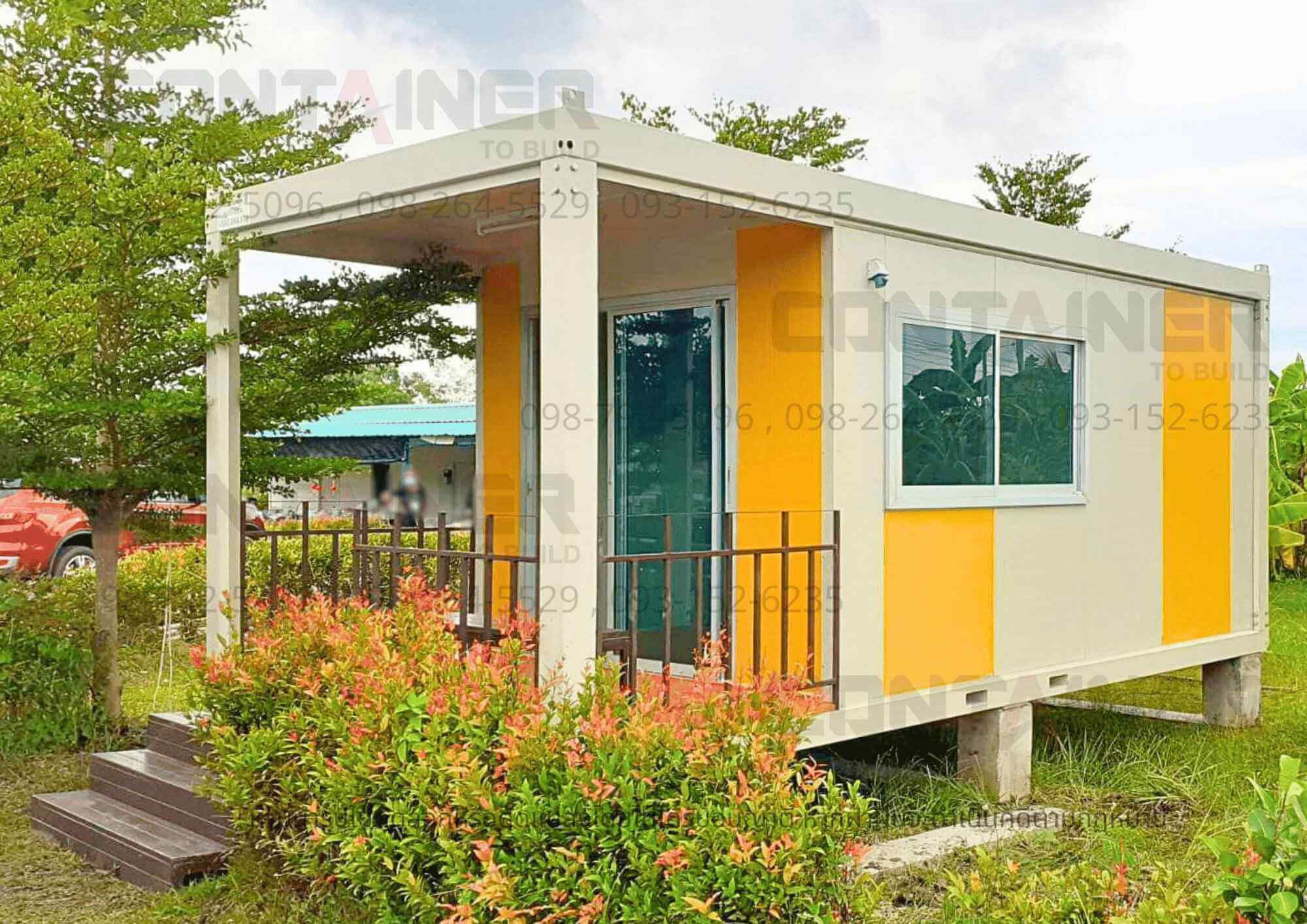
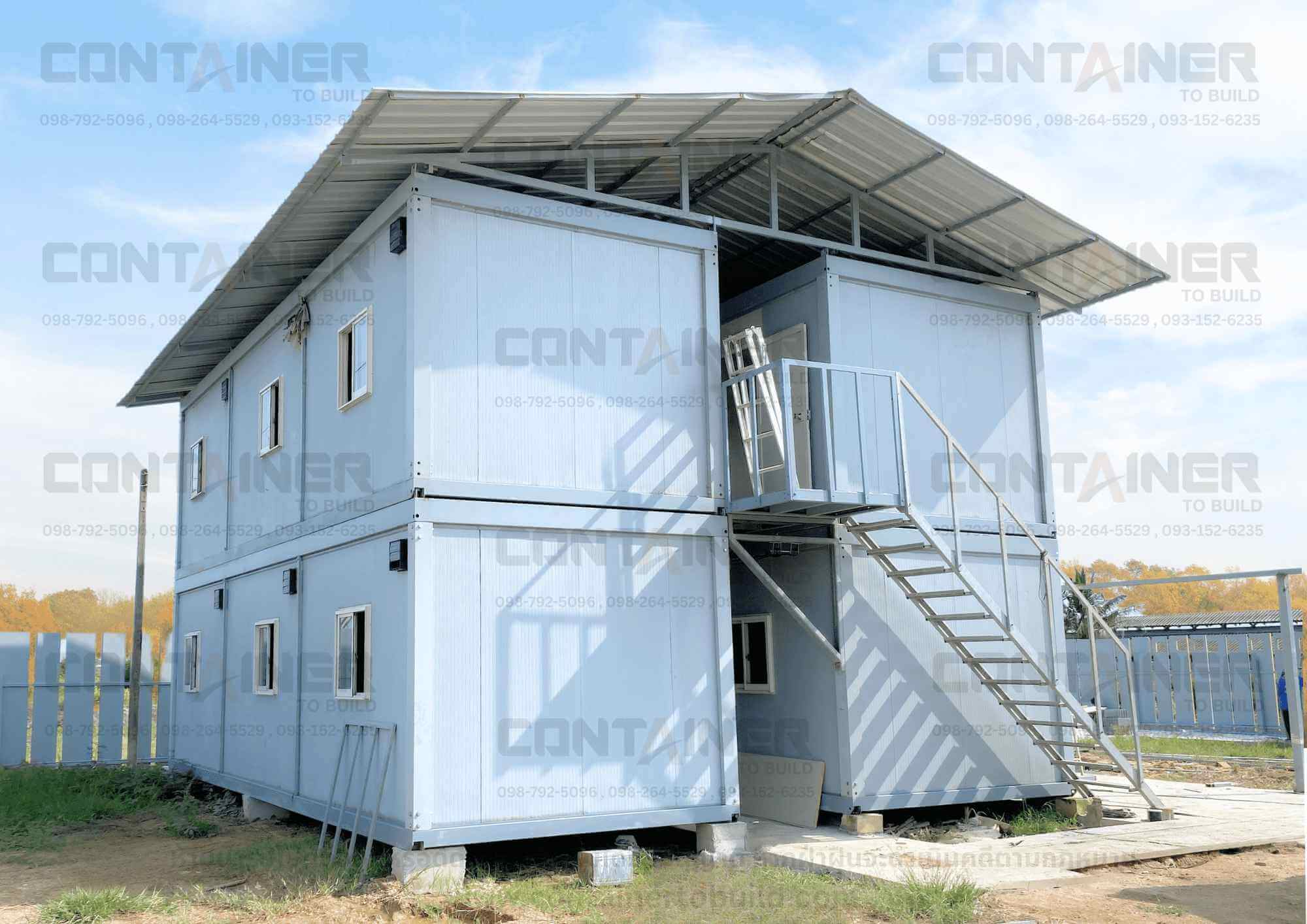
When choosing prefabricated accommodation, the things to consider are the number of users and the number of rooms needed. In today’s fast-paced world, prefabricated accommodation has become a top choice for people who want to build quickly, without worry and while saving time, especially for those who want to be sure the building will be finished in time for use and that they get the building they want.
Advantages of prefabricated accommodation
1. Budget control and savings. Controlling the budget is important when building. Prefabricated accommodation has a fixed price that does not spiral like conventional construction.
2. Door and window positions can always be changed.
3. Saves time, and the schedule can be fixed with certainty and does not change. Prefabricated accommodation is manufactured and its parts assembled in advance, so it can be installed and built quickly; you can move in within just a few days or a few weeks.
4. No need to supervise construction, and the design is fixed. Prefabricated accommodation comes in many designs to choose from, so you can easily choose one you like, or design your own to meet your needs.
5. The number of rooms can be increased or reduced.
6. Quality control. Prefabricated accommodation is produced under strict quality control in the factory, using quality materials to a single standard that are strong and durable. Prefabricated accommodation uses high-quality materials to a single standard.
7. Environmentally friendly. Producing prefabricated accommodation uses fewer materials and reduces construction waste.
Disadvantages of prefabricated accommodation
- Limited design flexibility. Prefabricated accommodation often has a limited choice of designs; changing the design may be possible but can be expensive.
- Limitations on size and shape. Prefabricated accommodation often has limited sizes and shapes; building large or complex-shaped prefabricated accommodation can be difficult.
- Possible leaks after a period of use. The joints between the walls and roof of prefabricated accommodation can leak easily.
- Location limitations. Prefabricated accommodation may not suit every site, such as sloping land or land that floods often, which needs levelling or filling to raise it, and that can be quite costly.