Prefabricated Housing Trends
Published 22 Jan 2025 · Updated 2 Sept 2026 · 2 min read
Prefabricated housing trends in 2025
Trends in prefabricated housing (Prefabricated/Modular Housing) in 2025 are heading towards a combination of sustainability innovation (Sustainability) and smart technology (Smart Technology), to raise users' quality of life and reduce environmental impact. These are the main trends expected to take off in 2025.
5 main prefabricated housing trends in 2025
1. Sustainability and energy saving (Sustainability & Energy Efficiency)
Prefabricated houses are no longer just temporary structures; they are being developed to be environmentally friendly and to save costs in the long run.
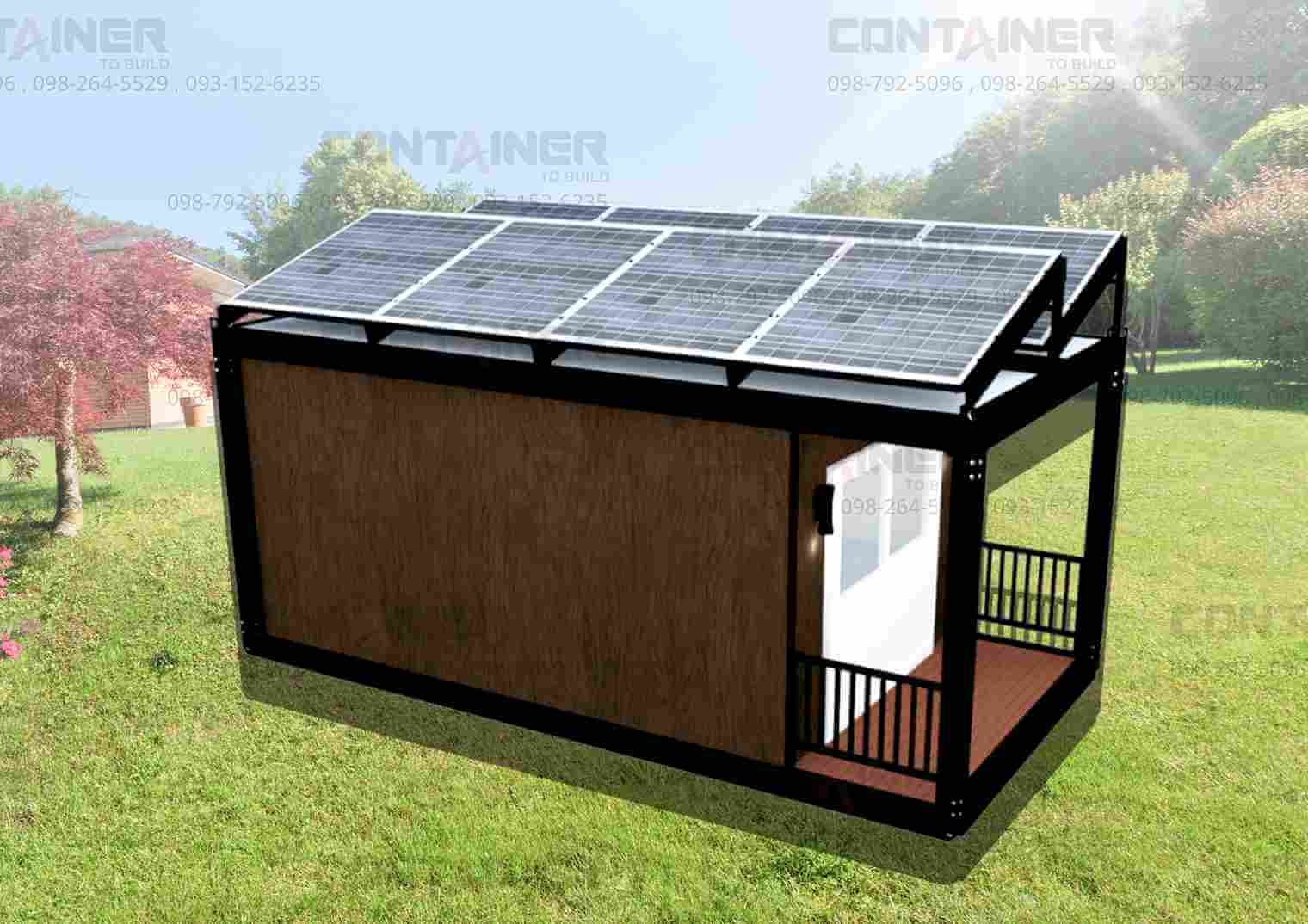
- Solar power (Solar Ready): Systems for solar panels are installed or prepared so the home can generate its own electricity, and some projects aim to be net zero energy homes (Net Zero Carbon).
- High-performance insulation: An emphasis on high-performance heat insulation such as PU Foam or EPS Panel to keep the cool in and the outside heat out, greatly reducing air-conditioning energy use.
- Recycled materials: Choosing sustainable, environmentally friendly building materials that can be reused (Recycle).
2. Integrating smart home technology (Smart & Connected Living)
Smart technology is being installed in standard prefabricated houses for convenience and safety.
- Smart control systems: Control lighting, temperature and air-conditioning through an app or automated system (Smart Home Systems).
- High security: Digital Door Locks, CCTV cameras and security systems that can be monitored and send alerts via smartphone.
- EV Charger ready: New prefabricated houses often have the wiring and space prepared for an electric vehicle charger (EV Charger) to support the growing use of electric cars.
3. Flexible, expandable design (Modular & Expandable Design)
Prefabricated house models emphasise the ability to adapt and expand as needs change.
- Modular System: Modules (units) can be added or removed to expand the living space — adding a bedroom, study or communal area quickly, for example.
- Multi-functional furniture: Interiors use built-in or folding furniture to make the most efficient use of limited space.
4. Health and well-being (Health & Wellness)
Design is paying more attention to users' well-being, especially air and light.
- Good air exchange: Efficient ventilation or an HRV (Heat Recovery Ventilation) system is installed to remove stale air and reduce indoor humidity while keeping the interior cool.
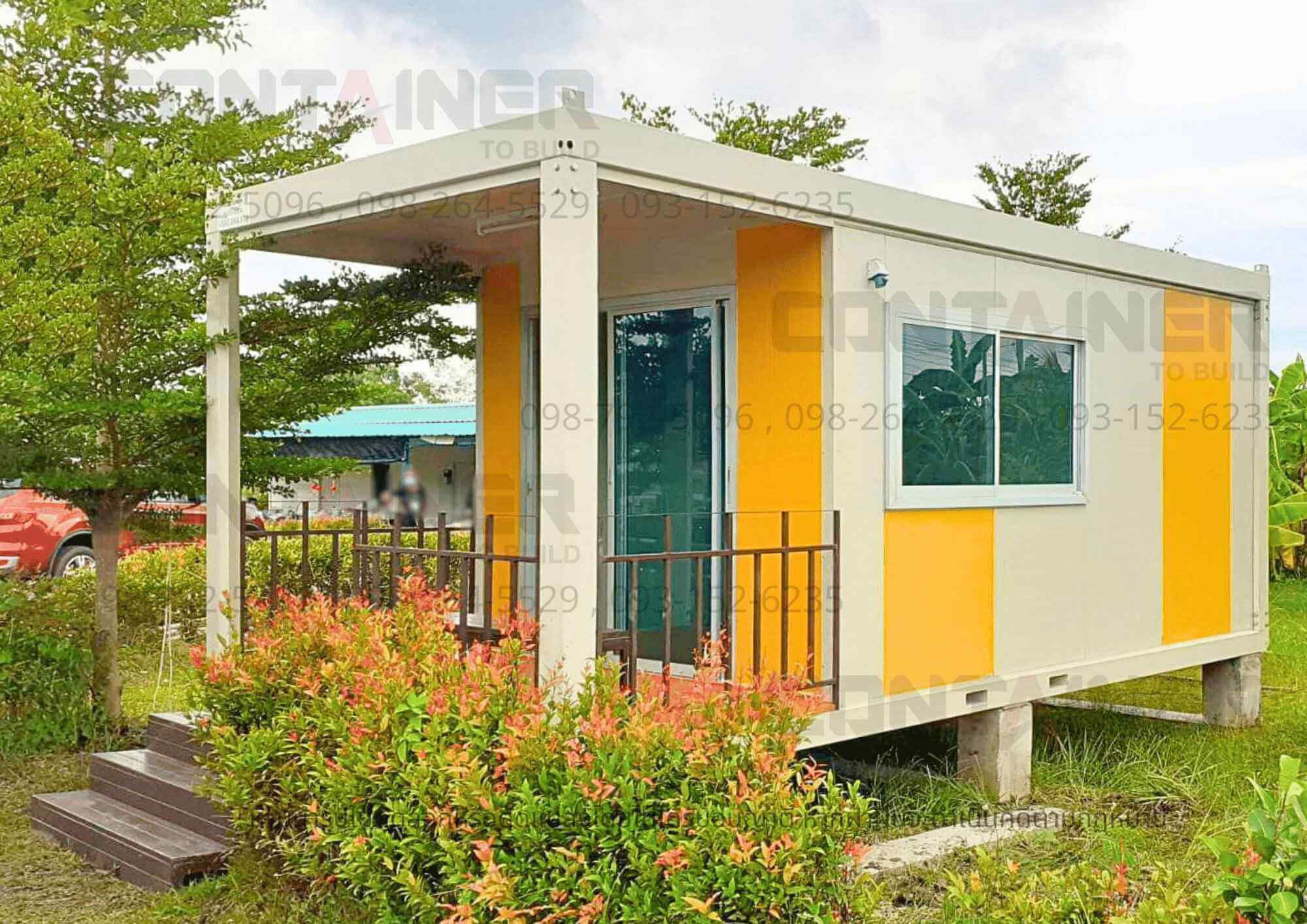
- Natural light and green space: An emphasis on large openings and solar-control glass to bring as much natural light into the home as possible, together with a veranda or green space to connect with nature.
5. Strong, durable materials (Durability & Aesthetics)
From temporary accommodation to homes that focus on good looks and a long service life.
- High-quality materials: A high-quality steel structure and weather-resistant cladding such as synthetic wood or fibre cement board.
- Varied designs: Not limited to modern style, but blending Minimal and Loft styles with natural colours (Earth Tones), so homes look attractive, distinctive and more liveable.