Tips for Maintaining a Container House
Published 23 Jan 2024 · Updated 14 Oct 2025 · 5 min read
8 techniques for maintaining a container house
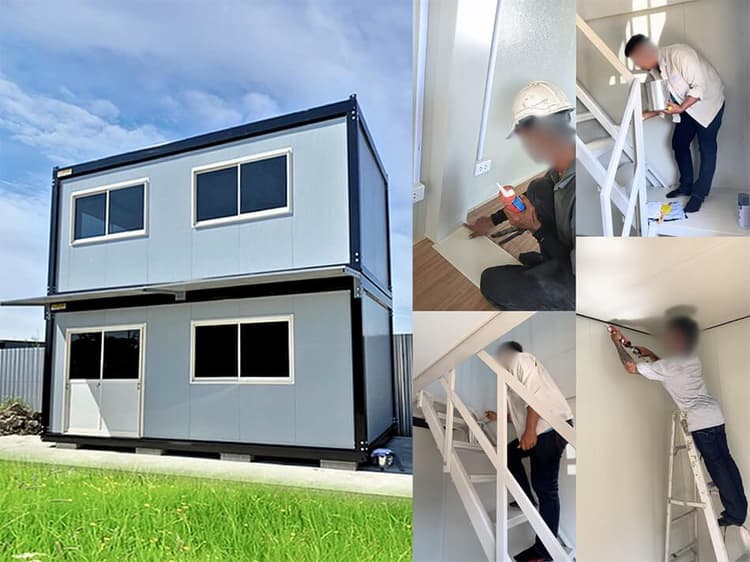
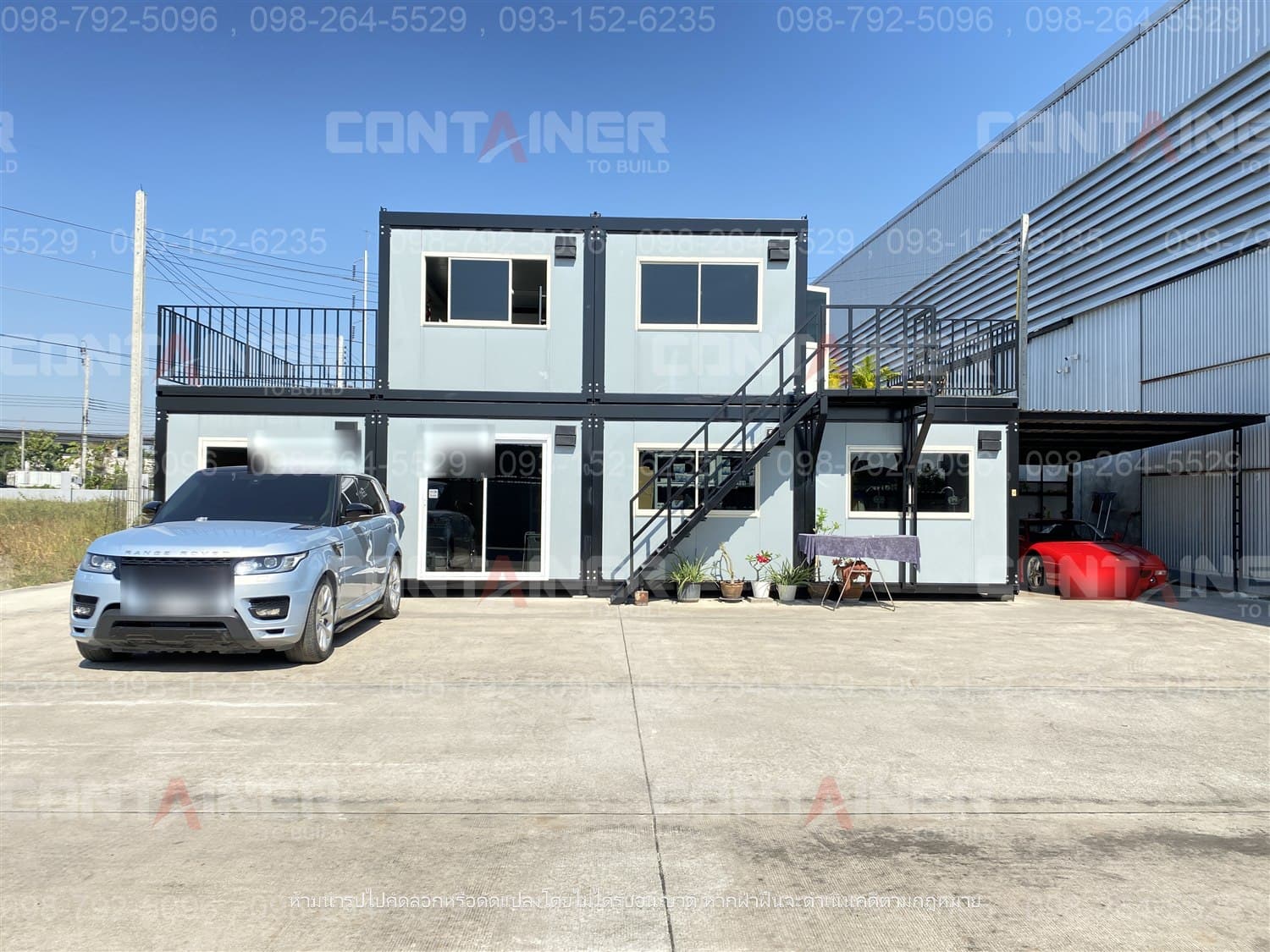
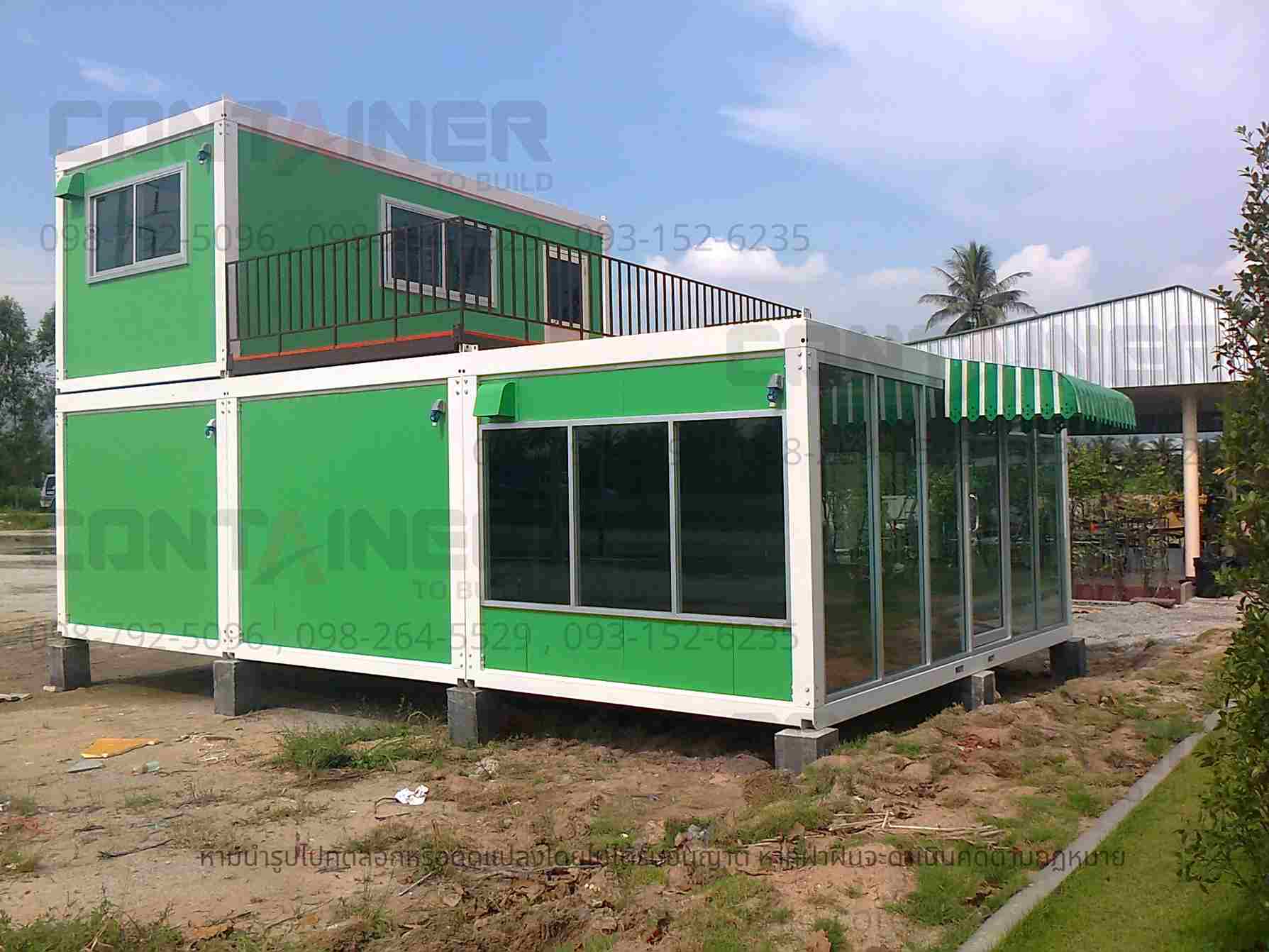
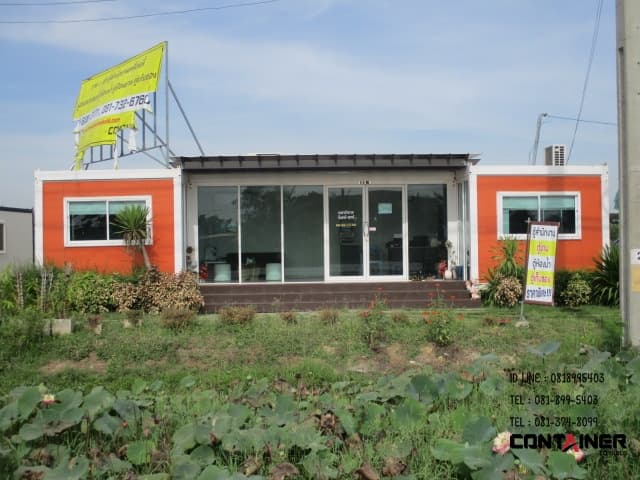
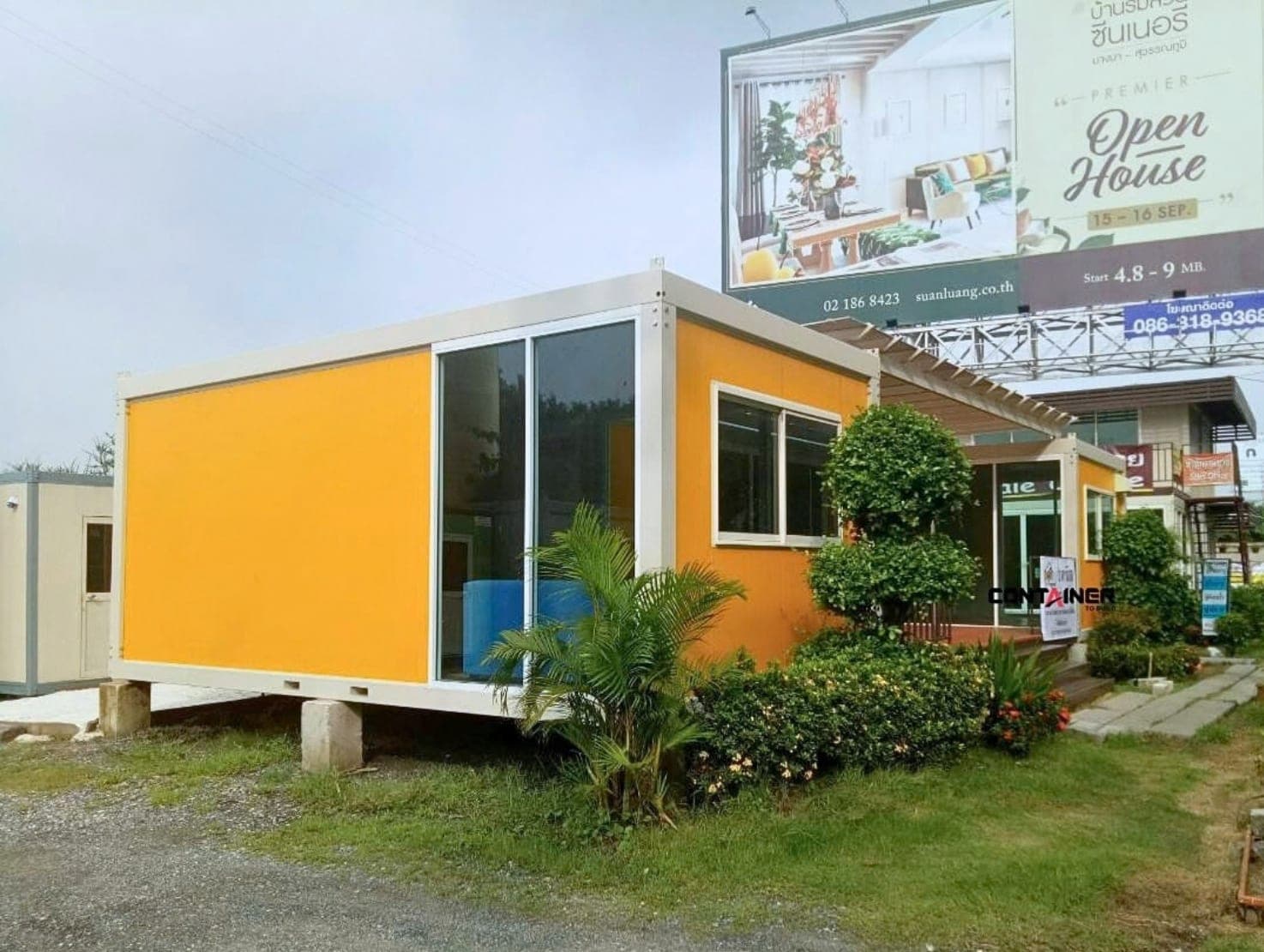
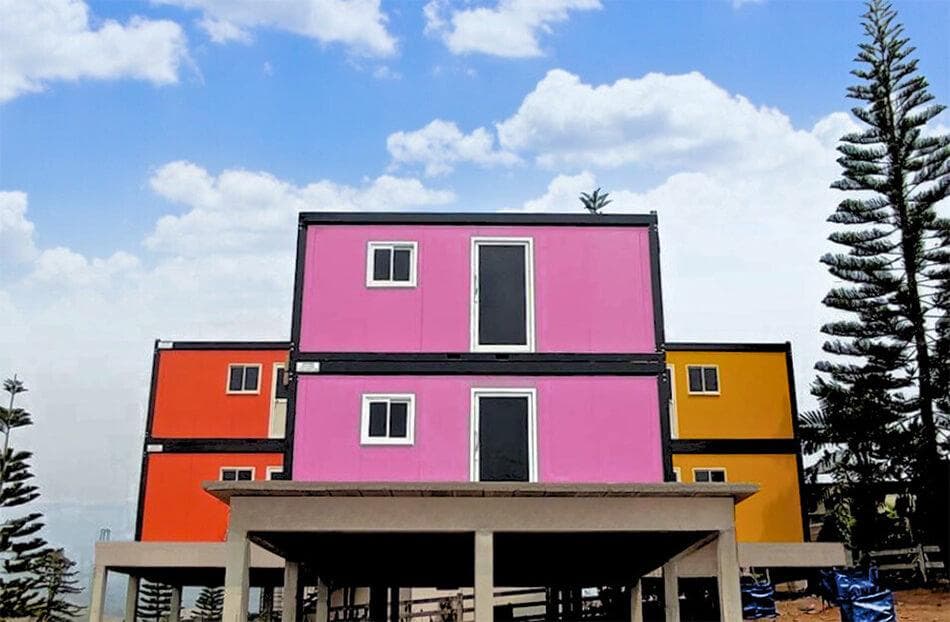
Converting freight containers, or shipping containers, into cafés, stylish coffee shops and holiday homes in the provinces — known as "container houses" — has become popular at tourist destinations, because containers can be converted and designed in many ways. They are also strong and durable, being made of thick steel or metal sheet, which gives them a long service life. On top of that, the cost of a container home is not out of reach, making it well suited as accommodation for small and medium-sized resort owners with a limited budget.
Container houses have therefore become widely popular, and many resort owners, small hotels and holiday homes have become very interested in installing container homes or building them as accommodation for their guests. However, quite a few people do not understand that maintenance matters for a container home and is essential for a long service life, and quite a few do not know how to maintain a container house so that it lasts.
What is a container house?
A container house is made by taking a shipping container, or freight container, and converting and designing it into a house. Its strong point is its rectangular shape, which is easy to decorate. You can also cut openings for windows or doors for ventilation and a more open, airy feel, and freely add entrances and exits.
8 techniques for inspecting and maintaining a container house
Because containers are made of thick steel sheet, a container house feels strong and durable, and people tend to think it does not need much maintenance. In reality, the service life of a container home is around 25 years if it stands in the open without a roof to protect it from sun and rain. With a protective roof, a container house may last as long as 50 years. The service life of a container house therefore depends on care and on the materials used to build it. If we want a container house to last a long time, it must be inspected and maintained regularly, as follows.
- Inspect the container house on a schedule. Set regular inspection times to look for corrosion or wear that may be caused by rust or other damage — for example, checking for leaks, especially at connections such as joints or where wall panels meet. Finding damage early means it can be repaired in time and stops problems from getting worse.
- Inspect and repair rust spots to prevent leaks and future structural problems. Because a container house is made of metal, it is at risk of rust, and as it is installed in the open it faces intense heat from the sun and moisture from rain. When dealing with rust, apply an anti-rust coating and treat rust spots immediately to stop the rust from spreading.
- Inspect the heat insulation that lines the house. Checking that the insulation inside the container house is still in good condition helps keep the indoor temperature properly controlled. If the insulation is not working well, the house may not hold its temperature fully. Checking whether the insulation against heat and moisture still works well is therefore very important for the service life of a container house.
- Inspect and maintain the ventilation, inside and out. Controlling temperature and humidity inside and outside the container home with good ventilation helps reduce rust problems in the container house. Maintaining and repairing the ventilation so that the main structure is well ventilated and working properly helps prevent moisture building up inside the house and ensures enough air circulation, which reduces the risk of mould and rust.
- Clean regularly. Cleaning the inside and outside of the container house regularly removes dirt and pollutants. However, the choice of cleaning product matters, because products with strongly corrosive ingredients can damage the anti-rust coating inside and outside the container home. Take care to choose non-corrosive cleaning products. Cleaning also lets you check the surfaces for any problems.
- Inspect and maintain the roof. The roof is an important part of a container house and needs special attention, because it is one of the first areas exposed to sun and rain, so it is more likely than other parts to rust or have its surface coating peel. Checking for bolts that may have loosened or joint seals that may be damaged on the roof of a container house is also extremely important. Make sure the roof drains well with no standing water, to prevent water accumulating, which could lead to leaks and structural problems in the future.
- Inspect the foundation of the container house. As well as needing great care when it is laid, the foundation must be inspected and maintained regularly and must be well ventilated, to prevent settlement and movement of the structure, as well as moisture rising from the ground, which can cause paint or anti-rust coating to peel.
- Check whether small animals or birds are causing trouble or nesting. Protect your container home from insects, rats and other rodents that can damage belongings inside or chew through sealed and caulked points. Non-toxic repellents can be used to prevent damage to the structure and to things inside the house.
Precautions when maintaining a container house
When looking after and repairing a container house, some things need care and the right method to keep occupants and maintenance staff safe, for example:
- Do not change the structure of the container house yourself when rust corrodes parts or structural connecting hardware, especially bolts. Consult the manufacturer and specialists for advice.
- Do not alter or repair the electrical system inside the container house yourself. Use an electrician to prevent electrical accidents.
- Do not repair the plumbing yourself. Use a plumber to maintain the plumbing inside the container house to prevent leaks inside the house, which could lead to rust in the future.
- Do not add to or extend the container home yourself. Consult and get advice from the manufacturer and the company that sells and installs the container house, to prevent problems and hazards from structural issues later.
- Do not modify the container house after installation. Modifying or removing any component of a container house, such as its bolts, may cause walls or doors to come loose and may affect the structure of the house.
- After the container house is delivered, the customer must install an earth (ground) wire immediately to prevent anyone getting an electric shock. If current leaks from an appliance, it flows to earth through the ground wire instead of through the body of the person touching the appliance, so the short-circuit and/or earth-leakage protection device cuts the power immediately. Because the main material of a container house is metal, this is essential for users' safety.
Although people living in a container home need to inspect and maintain it regularly, container houses have many advantages: they are strong and durable, can be decorated just like any house, save construction time and cost, and can be extended. Most importantly, the investment per container house is modest, offers good value and helps operators recover their investment quickly — for accommodation providers at tourist destinations. For these reasons, container houses have become far more popular today.