Disadvantages of House-Look Knock-Down Houses: How They Differ from Unit Houses
Published 13 Oct 2026 · Updated 14 Oct 2026 · 4 min read
In this article
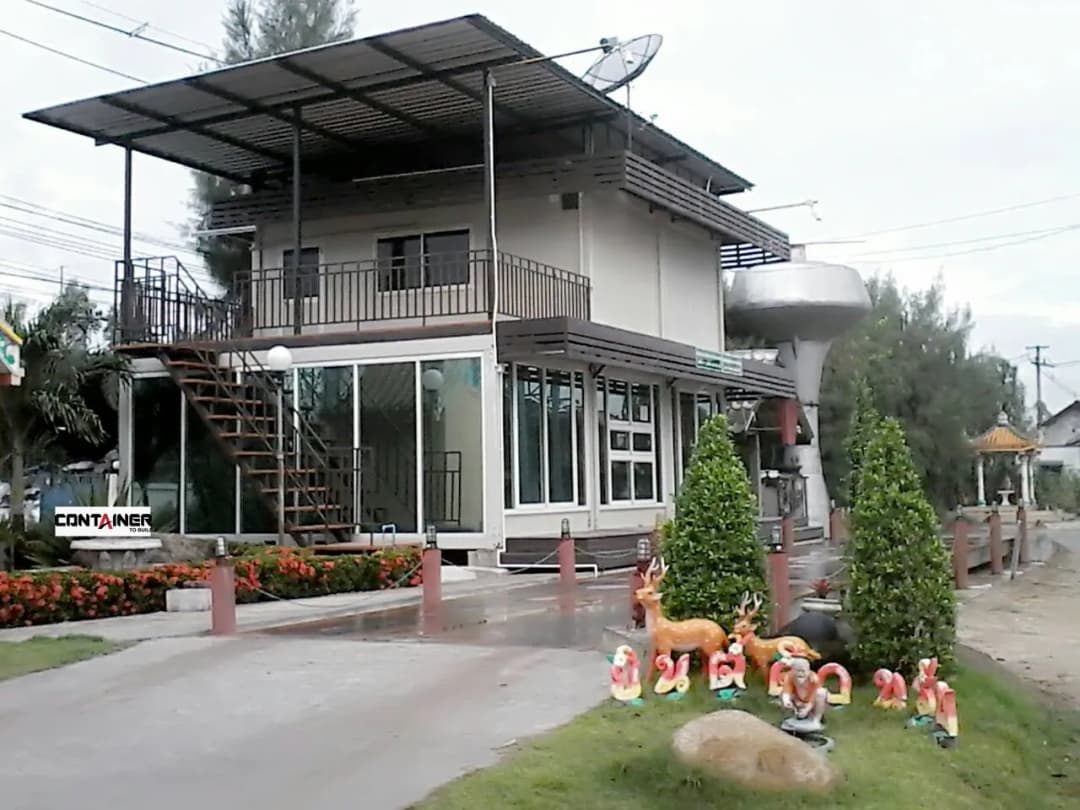
In Thailand today the word "baan knock-down" (knock-down house) is used for two quite different things. The first is a house that other companies sell on their websites under that keyword: it is finished inside and out so that you cannot tell it is made of units, and it looks just like an ordinary house. The second is a unit house — units finished in the factory and then arranged as a home. Other companies that adapt unit houses into homes are the same type as us. This article compares the two in numbers, so you know what you are buying before you pay.
To be clear from the start: we make and sell unit houses. We do not make house-look knock-down houses.
Attractive when you buy, hard to extend or move afterwards
A house-look knock-down house is designed so that the outside and the inside are finished as one piece. It looks very good when you buy it. But if you later want to add a room or move it to a new site, that is difficult, because the finishing work has to be torn out.
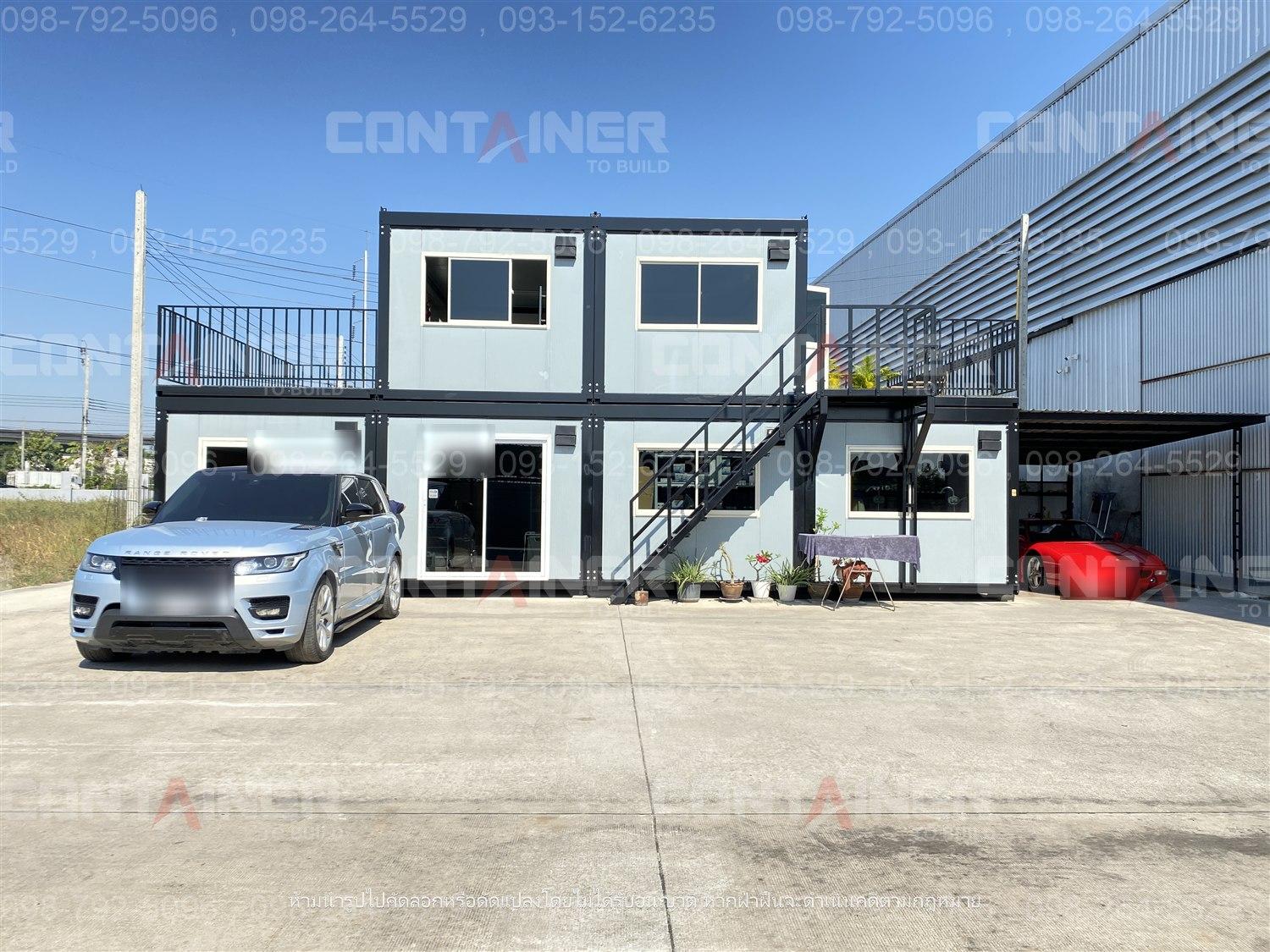
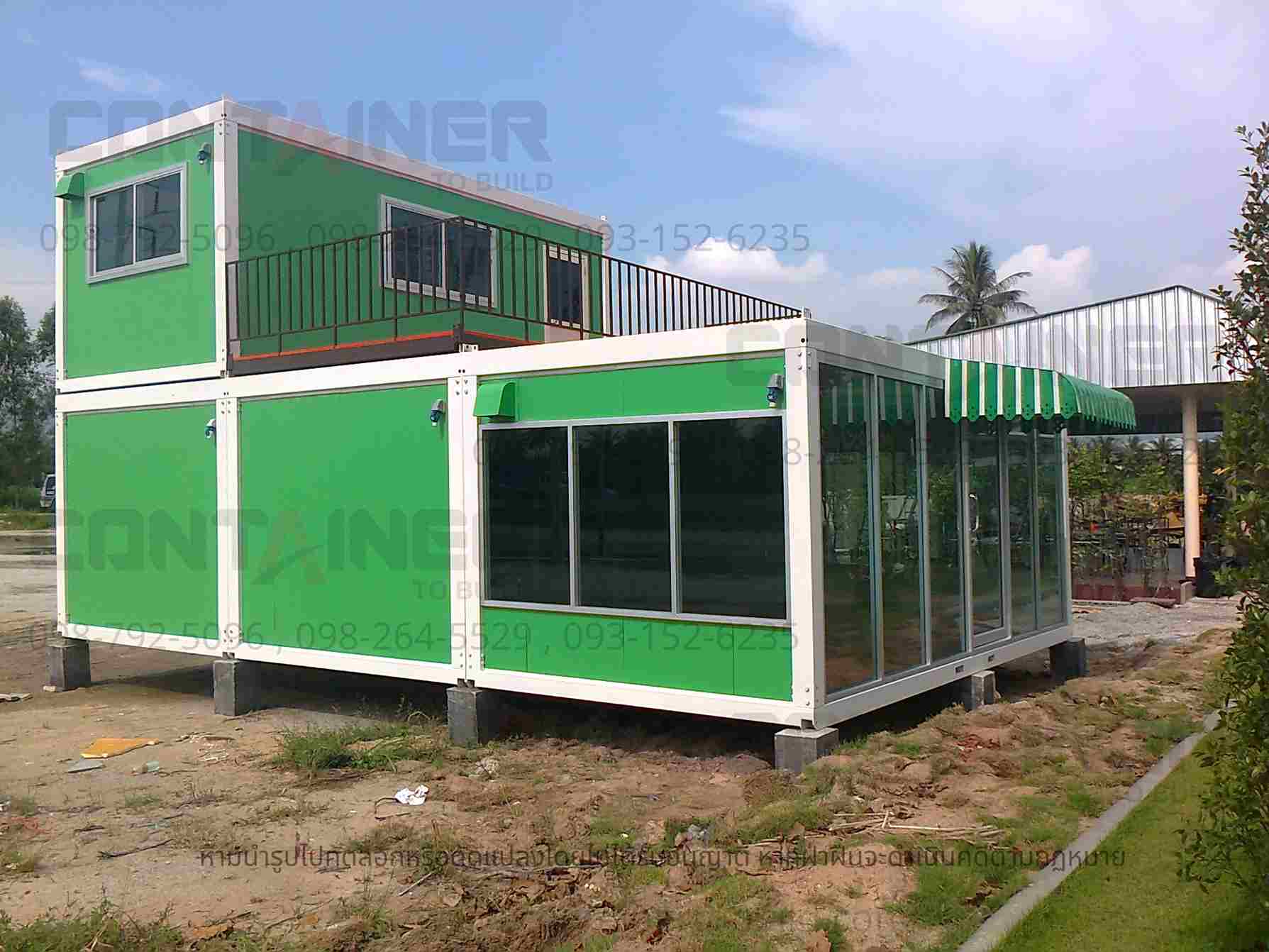
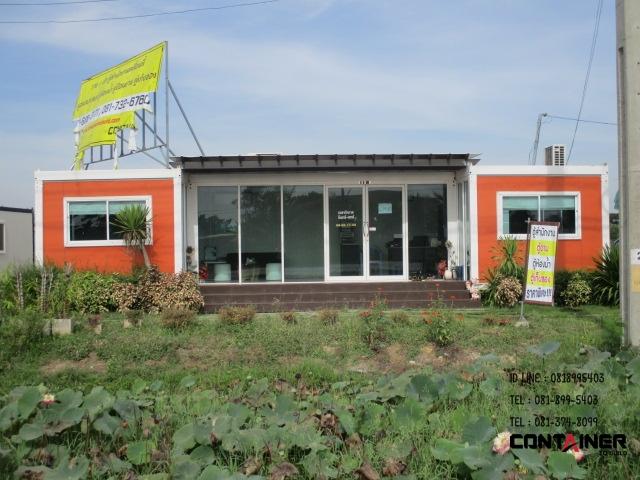
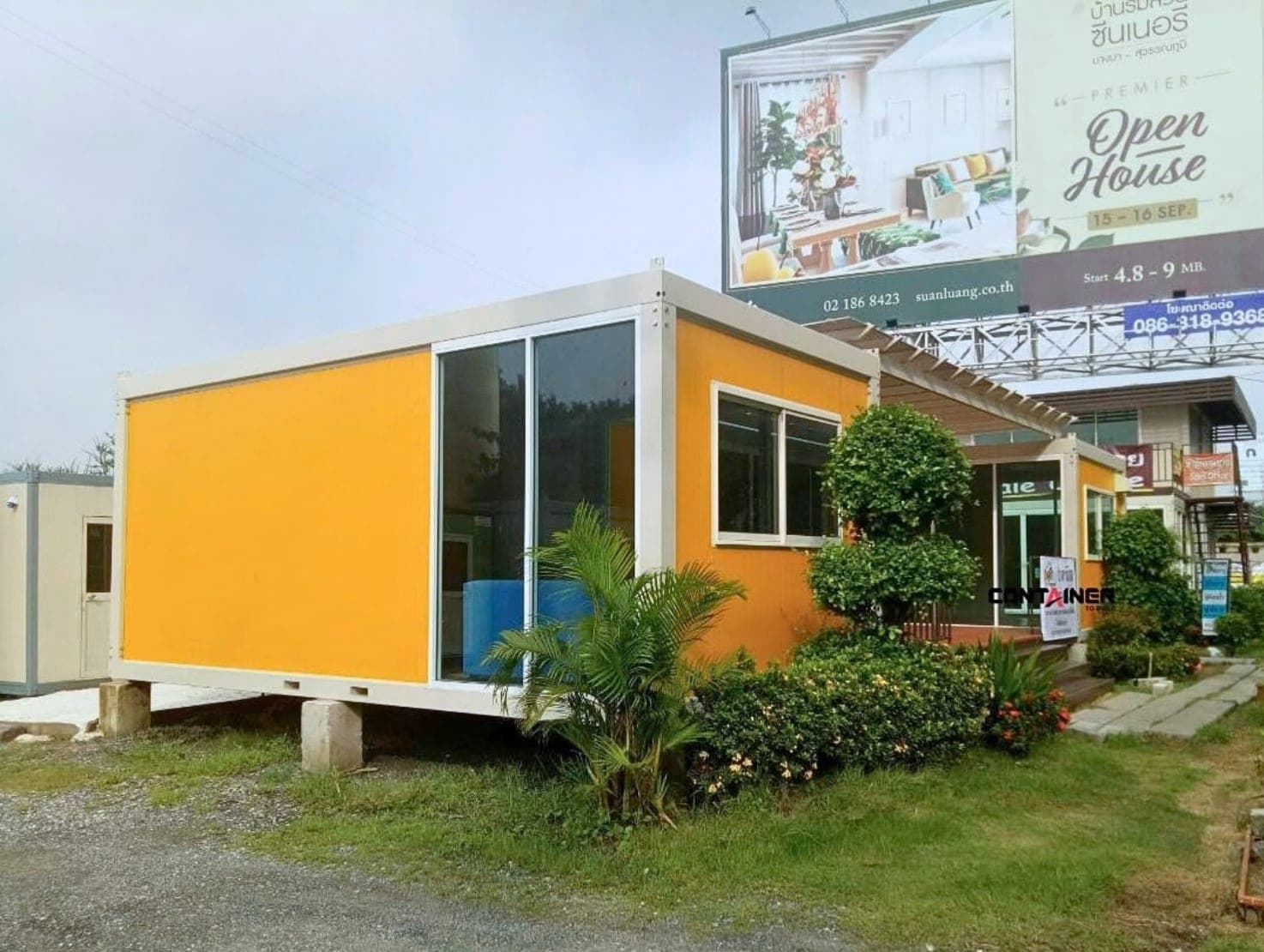
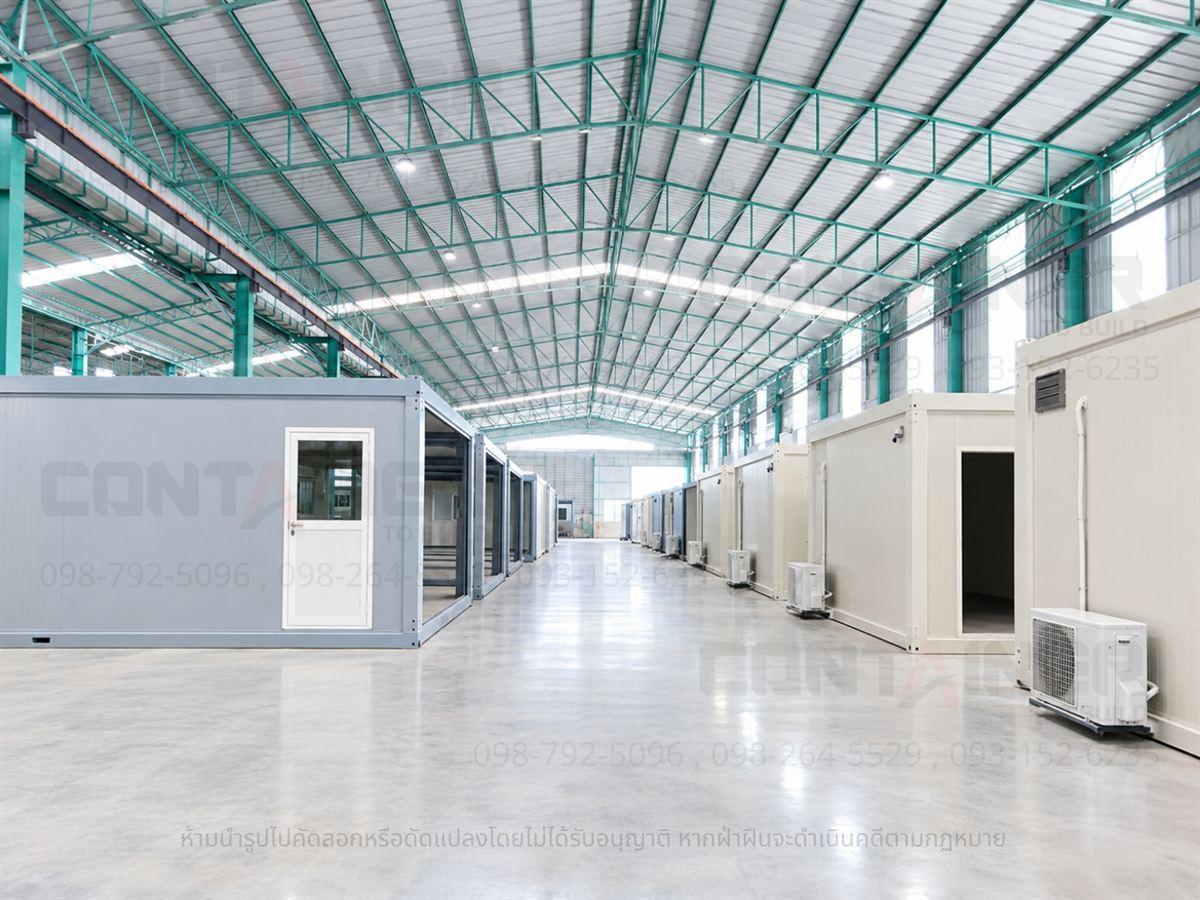
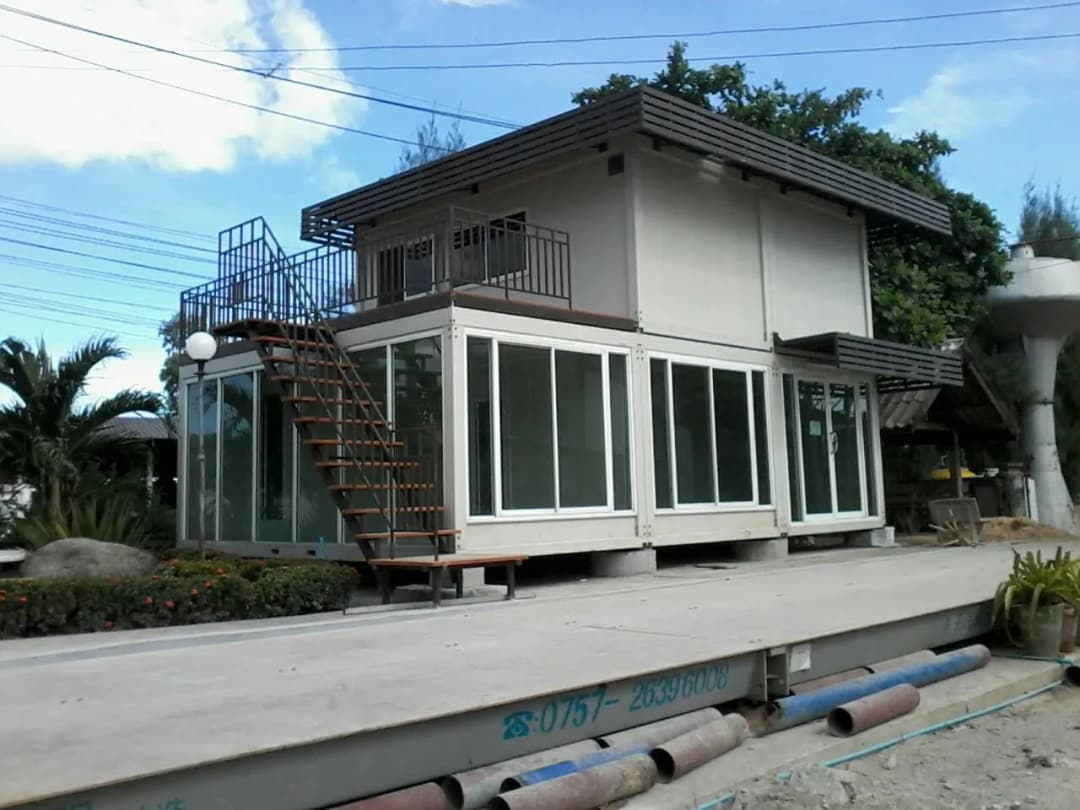
Our unit houses can start small and grow later by joining more units. To move, the units are separated, transported one at a time and joined again at the new site. They do not have to look like bare boxes either: we offer detachable decorative items that change the look. Our idea is to make everything a unit, so that it stays flexible in use. Of course, the finish will not feel like an ordinary house.
It looks like a house, so buyers compare it with building a house
When it looks like a house, buyers compare it with building a masonry house. The real question is whether it can replace building one. These figures are from the 2569 (2026) construction-cost appraisal table of the Thai Appraisal Foundation.
| Type | Cost per m² (median) | Building life | Depreciation per year |
|---|---|---|---|
| Single-storey masonry house | 14,700 THB | 50 years | 2% |
| Knock-down / prefabricated house | 13,900 THB (12,300–16,400) | 20 years | 5% |
The cost per square metre is almost the same as a masonry house, yet the building life is less than half, and the value falls faster.
Other disadvantages to know before buying a house-look knock-down house
1. A high price, but insulation and airtightness may fall short
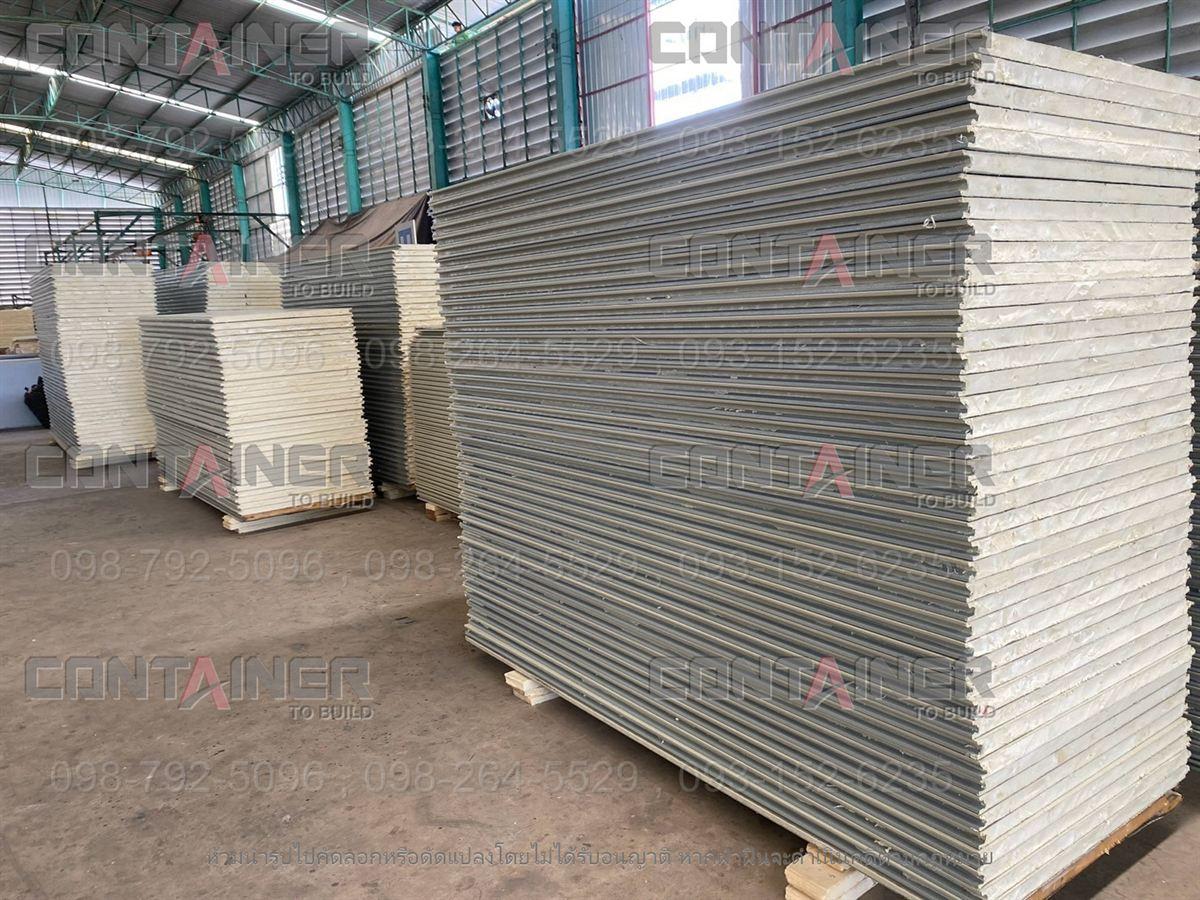
Most of the money goes into the appearance, the roof and the finishing. In some models the walls are thin boards on a light frame, hollow inside, without insulation across the whole wall. Rooms become hot and noisy, and deteriorate quickly.
2. Banks do not see it as a permanent building
Banks value it low and a home loan is hard to get. Most buyers have to pay cash.
3. A short service life
The appraisal table gives knock-down houses a life of 20 years. If the walls are hollow inside, they may last only 10–20 years, and at the end very little value remains.
So who buys them?
People with enough cash to build a house mostly choose a masonry house, which keeps its value and qualifies for a loan. People without much cash cannot pay several hundred thousand baht for a house in cash. So these houses have to be sold at a price people can pay in cash.
When costs have to come down but the house must still look good, some sellers cut what you cannot see: the insulation and the frame inside the walls. The result is a building that looks good but is hollow inside, with a short life and no lasting value. If that is the choice, a house built of concrete block and concrete still keeps more value.
What we recommend: a unit house
Every one of our units has PU-foam insulation in all walls and the ceiling from the start, because we build to the standard of rental units that are used again and again. Our economy models use the same materials.
| House-look knock-down house | Our unit house | |
|---|---|---|
| Appearance | Like an ordinary house, finished inside and out | Units; the look can be changed with detachable decorative items; the finish does not feel like an ordinary house |
| Cost per m² | About 13,900 THB (appraisal table) | New 3×6 m unit 128,500 THB (7,140 THB/m²) |
| Insulation | Depends on the seller; some lack it across the whole wall | PU foam in all walls and the ceiling |
| Extending later | Difficult; finishing must be torn out | Start small, then join more units |
| Moving | Difficult | Separated into single units, transported and rejoined |
| Floor | Depends on the model | Built-in floor; no concrete slab needed |
| When no longer needed | Must be demolished | Move it, resell it or sell it back; we buy back WH-series units according to condition |
If you want to live in it, start from a unit house that is already insulated, add decorative items and improve the airtightness of the rooms. You get a new kind of home on a smaller budget, and better value than a house whose money went into its looks. What to add when you turn a unit into a home: a knock-down unit is ready for work — what does it need before you can live in it?
Six questions to ask the seller before you buy
- What is inside the walls — what type of insulation, and how thick?
- What is the price per square metre, and does it include the floor, roof, electrics and delivery?
- Can rooms be added later, and what has to be torn out?
- Can it be moved, and what has to be torn out to move it?
- Can it be financed with a loan, or is it cash only?
- How many years will it last, and where does that figure come from?
You can see the inside of our unit-house walls at our Bangna and Suwinthawong showrooms. Prices and sizes of every model: office units and construction cost per square metre.
The unit houses we build are listed on the knock-down house page →