Designing Modular Office Units
Published 25 Sept 2025 · Updated 2 Sept 2026 · 7 min read
In this article
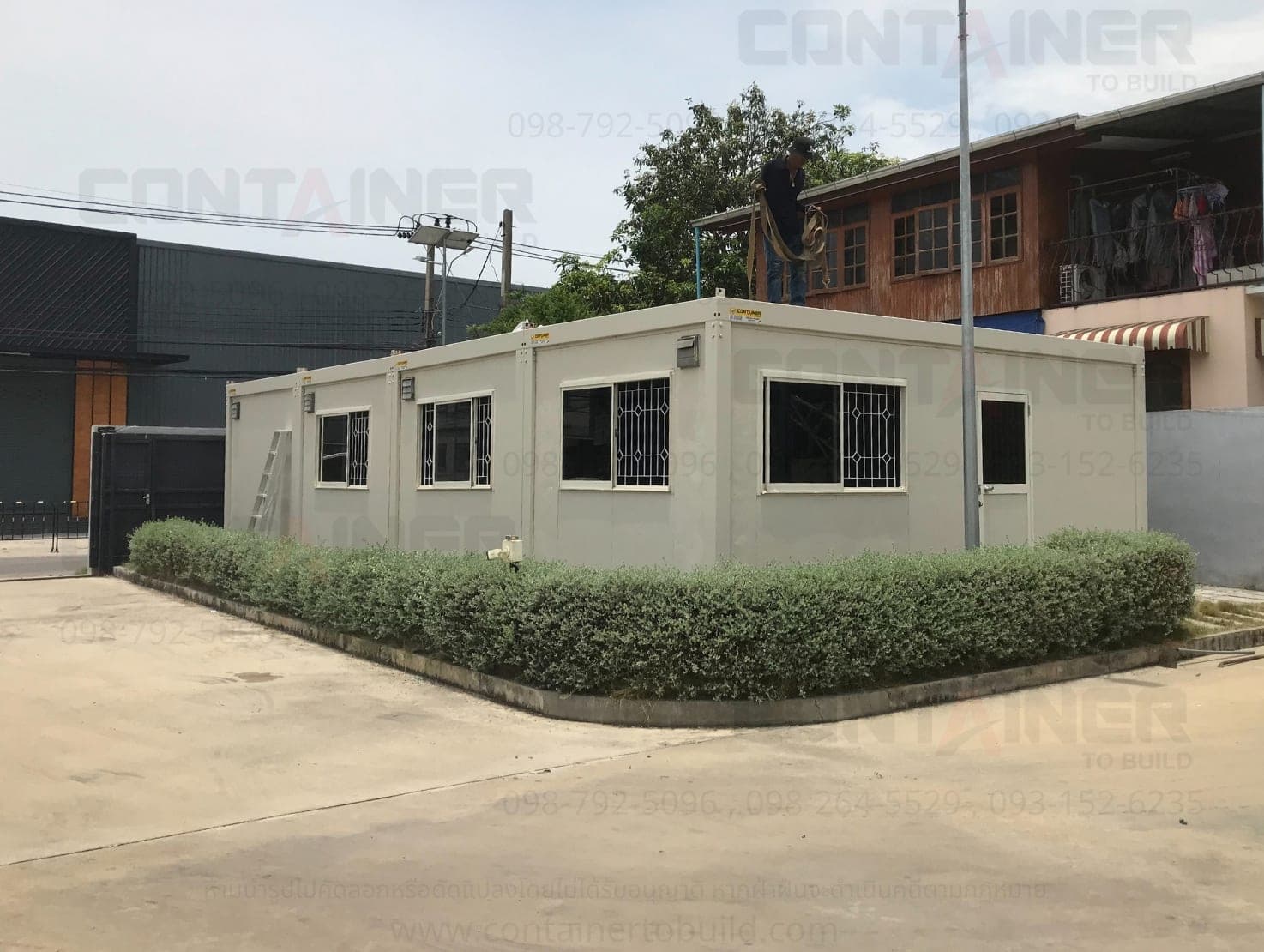
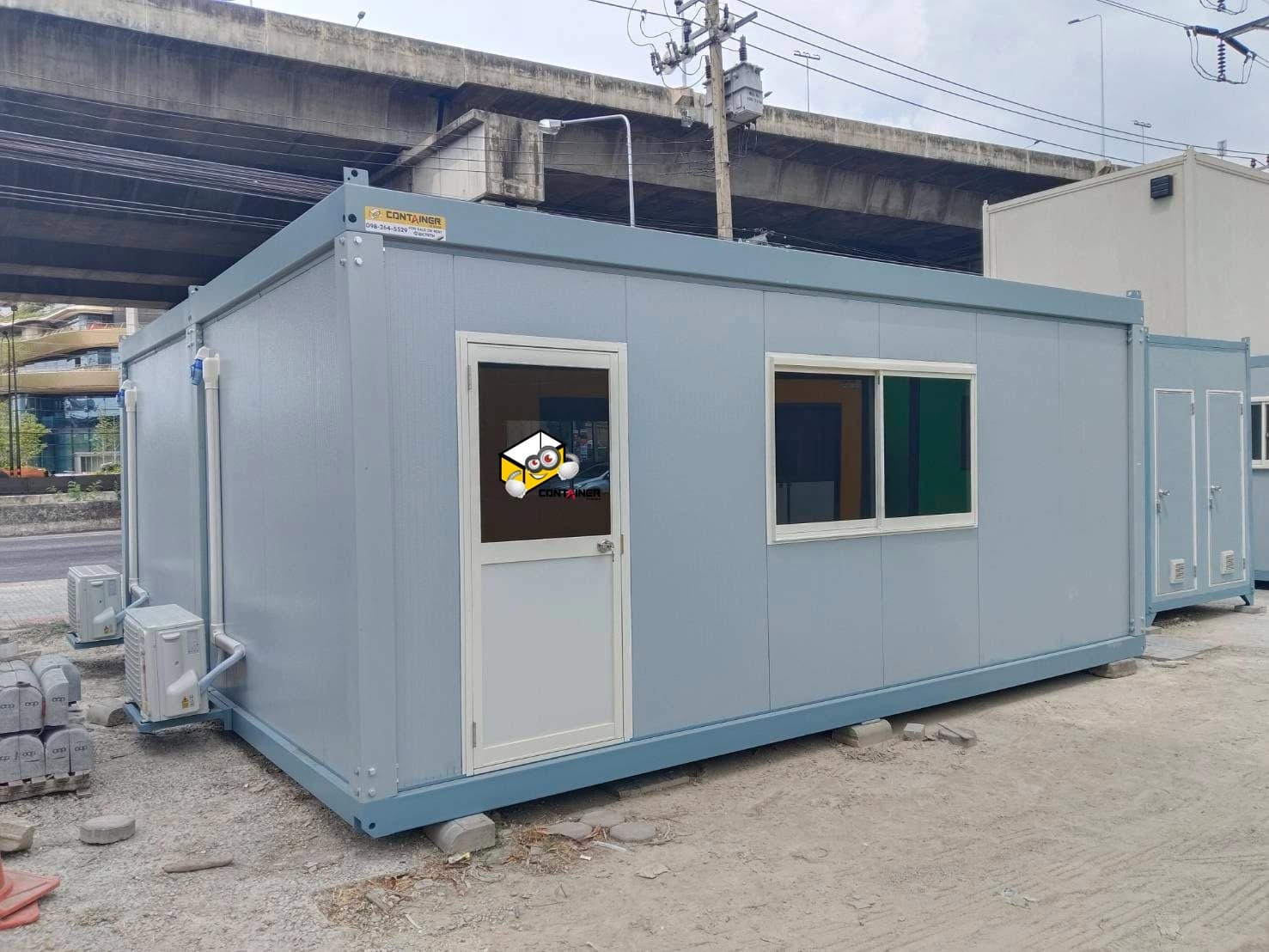
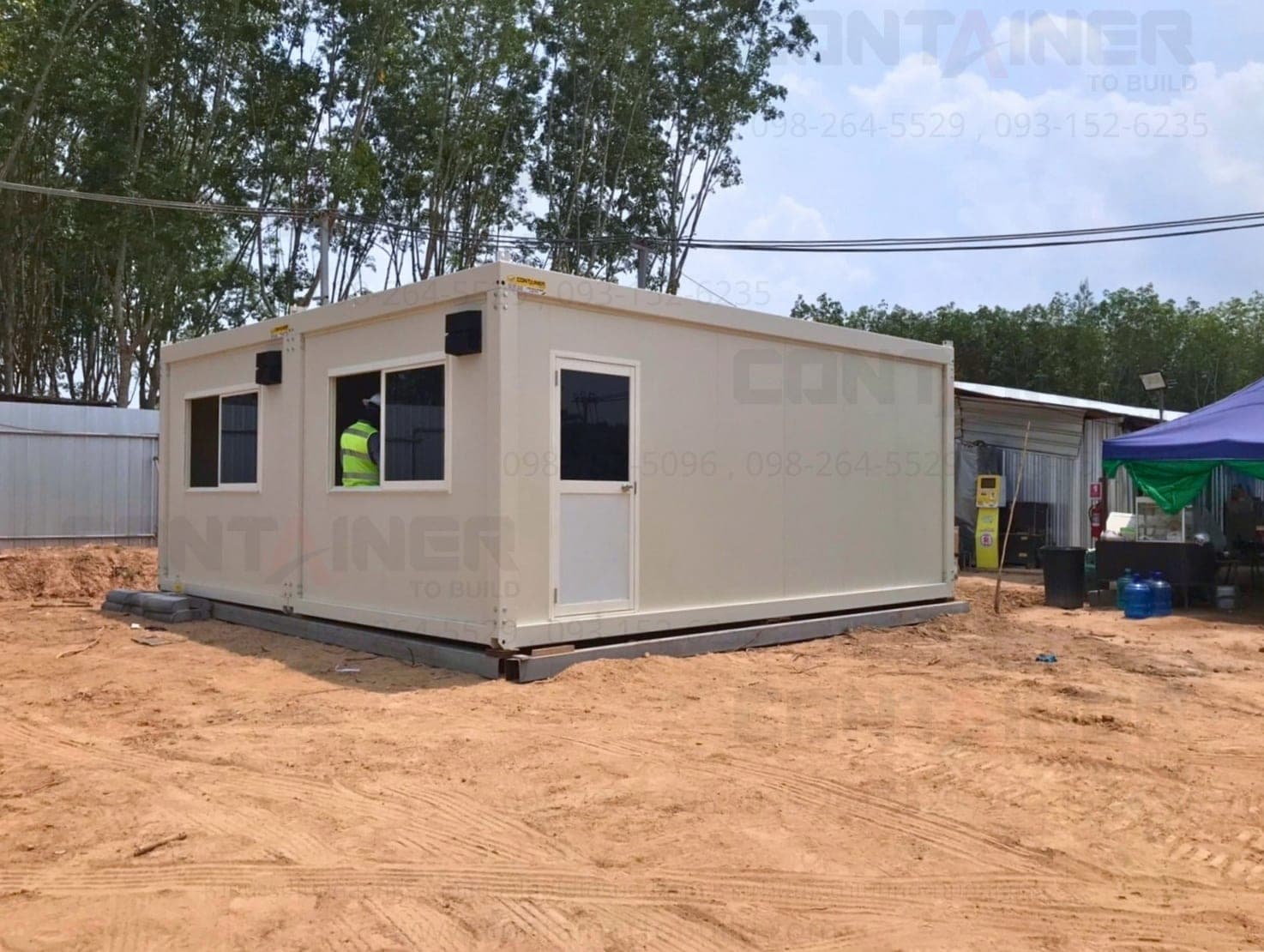
Designing an office unit is one of the most important aspects of how it is used and how the workspace is allocated. Transforming workspaces into creative, sustainable places matters in an age where agility and making the most of resources are key. Office units, mobile office units, container office units and knock-down houses are becoming a popular choice for modern businesses and organisations. Mobile office units, container office units, office units and knock-down houses have strong, standards-compliant structures, are easy to relocate and can be modified without limit, which makes them well suited to creating workspaces or designs that deliver on aesthetics, efficiency and sustainable use. As work becomes ever more flexible, whether that means working from home, sharing a co-working space or needing privacy within an open-plan office, managing space and belongings becomes a challenge. A “mobile office unit” is therefore not just an ordinary piece of storage furniture, but a solution that meets the needs of modern working life.
Good mobile office unit design has to take many factors into account so that the unit becomes a small work hub, ready to use anywhere.
In this article we look at the 5 hottest design trends this year for office units, mobile office units, container office units and knock-down houses that can transform your office into a space that is modern, distinctive and environmentally friendly.
1. Biophilic Design (Design that connects with nature)
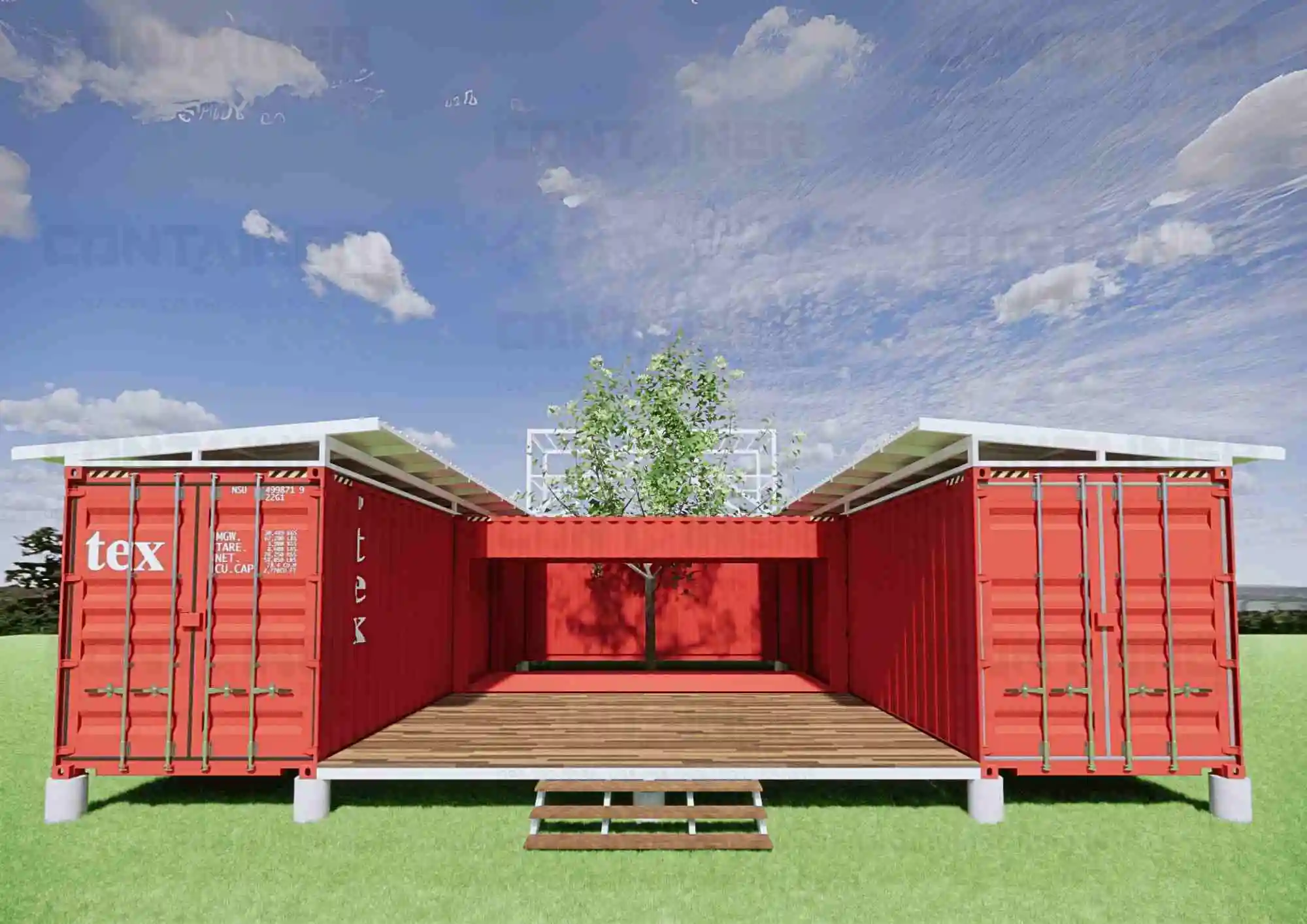
This is a design philosophy and set of principles focused on connecting people with nature within the built environment (such as buildings, offices and schools). It is based on the biological hypothesis that humans have an inherent genetic bond with nature (biophilia), and that this connection benefits physical health, mental health and work performance. The trend goes beyond placing a few decorative plants; it is about making nature a genuine part of the workspace, for example using large glass walls to let in natural light, choosing natural materials such as wood or stone, and adding green space both inside and outside the unit.
The core elements of Biophilic Design are not just about placing plant pots, but about integrating nature in various forms into the user’s experience:
Direct Connection to Nature means bringing real living things and nature into the space:
- Natural Light: Designing openings to receive as much sunlight as possible, in the most natural way (daylighting)
- Greenery: Bringing real plants, vertical gardens or sky gardens into the building
- Water Features: Using fountains, artificial waterfalls or fish ponds to create relaxing sounds and views
- Air & Scent: Circulating fresh air and using natural scents (such as flowers and herbs)
Indirect Connection to Nature means using symbols, forms and elements that imitate nature:
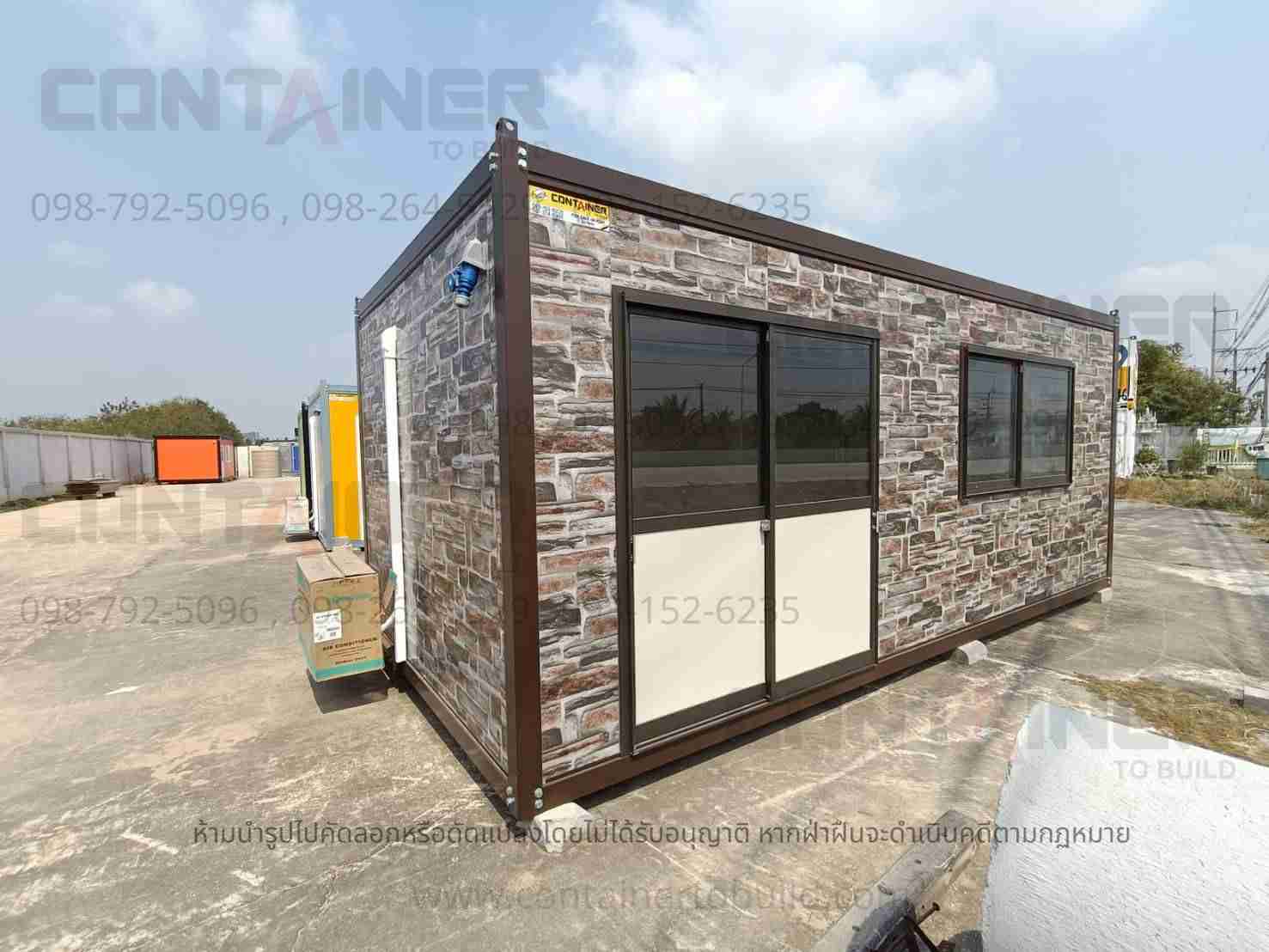
- Natural Materials: Using wood, stone, bamboo or cotton, showing off surfaces and textures that have not been heavily processed
- Colors & Patterns: Using colours inspired by nature (green, blue, earthy brown) and patterns that imitate natural structures (such as branch lines or marble veining)
- Light and Shadow: Designing for changing light and shadow, like sunlight filtering through leaves
Experience of Place means design that creates a sense of refuge, adventure or understanding of the surroundings:
- Refuge: Creating small, safe private spaces with a view outside (like hiding in a cave while still seeing the open field)
- Complexity and layering: Designing spaces with visual variety that are not overly plain (like exploring in nature)
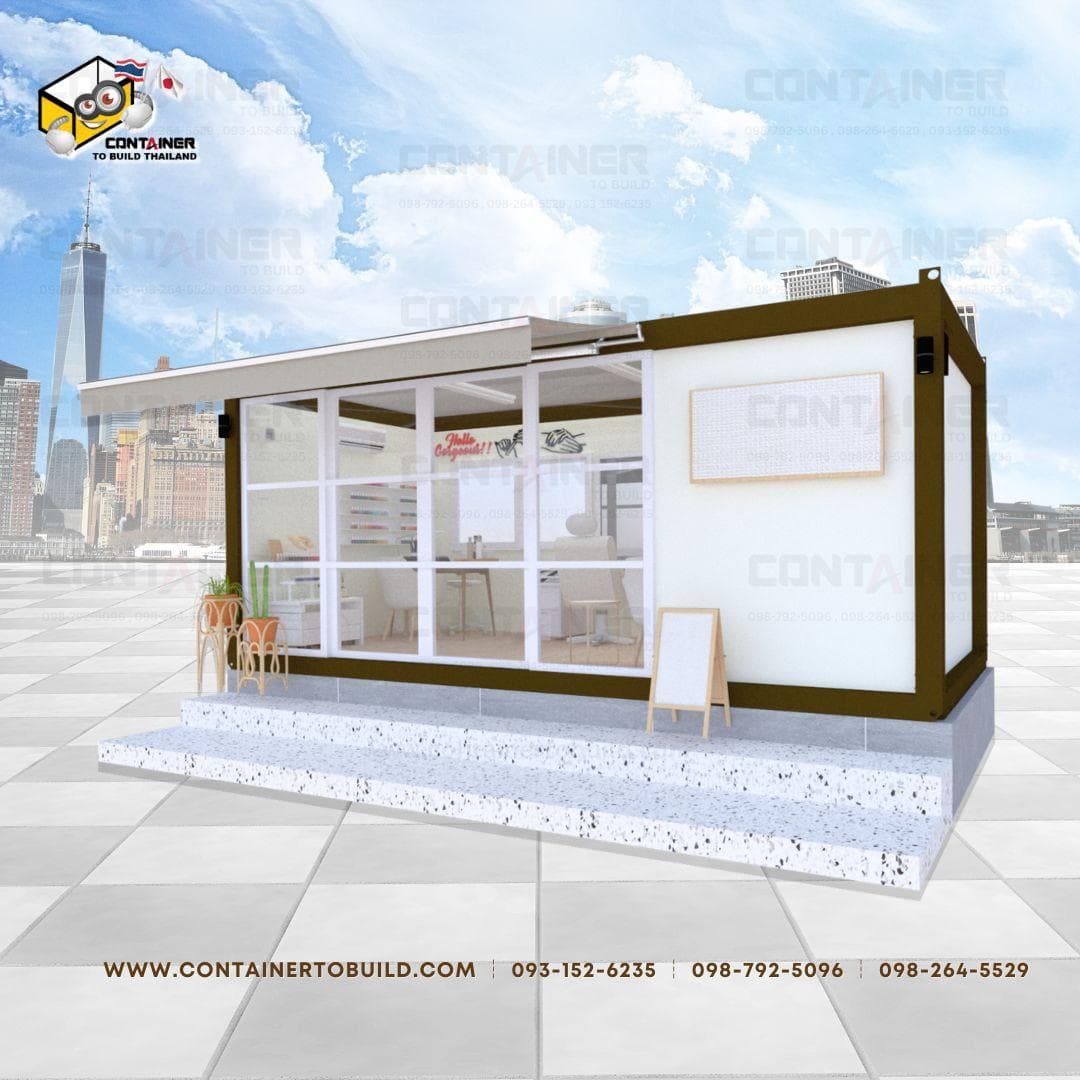
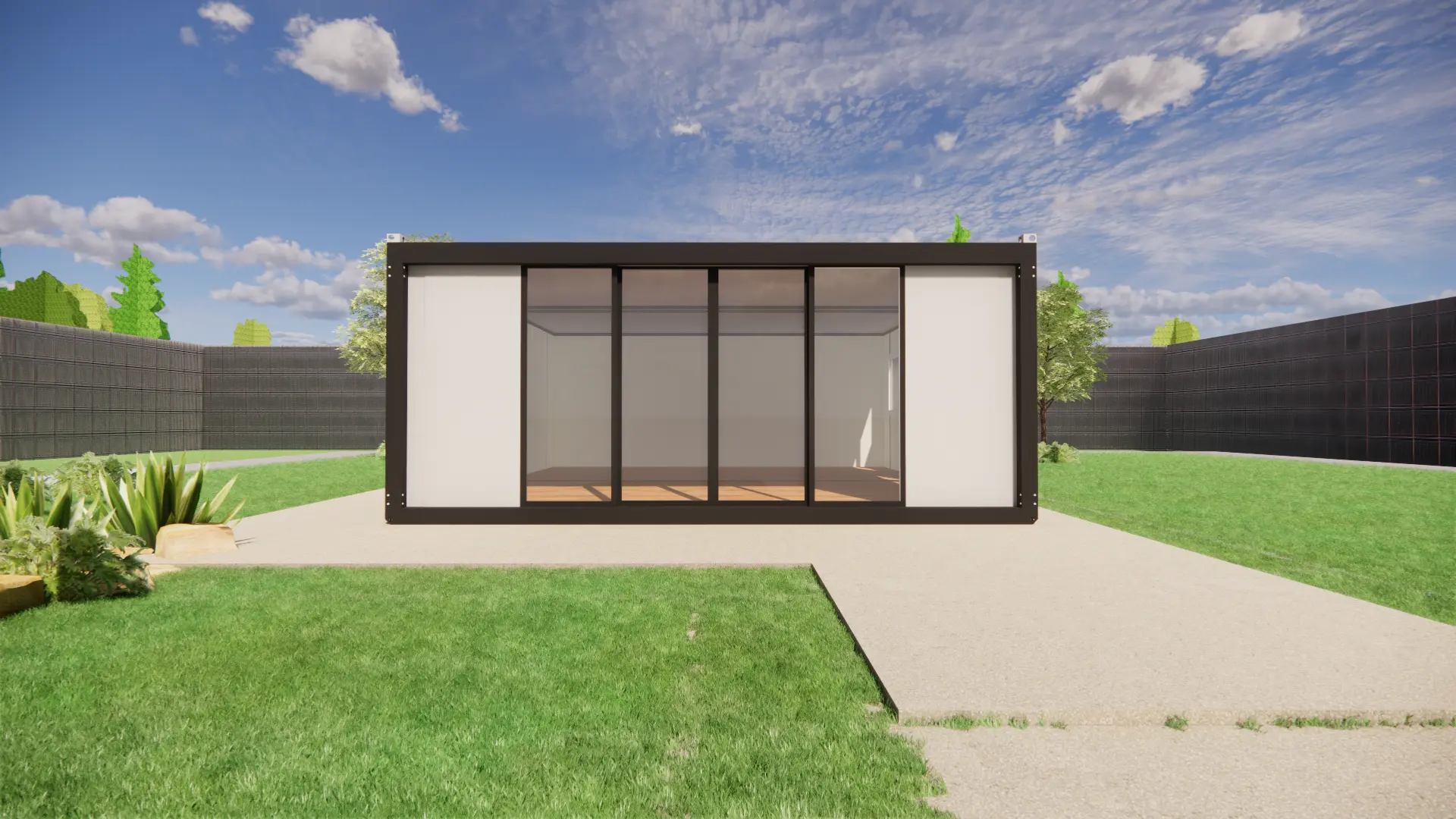
Mobile office units, container office units, office units or knock-down houses : can be designed with large windows, vertical gardens or a small balcony to connect the people working inside with nature outside. This makes the space feel airy and open, helps reduce work stress, and lets people enjoy their work in a relaxed atmosphere.
2. Modular & Flexible Layouts
A design principle that uses standard parts (modules) that can be easily assembled, removed or rearranged so that a space can change its function to meet changing needs as quickly and cost-effectively as possible. This principle is the opposite of a fixed layout and is at the heart of the prefabricated building trend. Because mobile office units, container office units, office units and knock-down houses are already modular by nature, this trend focuses on changing functions as needed, whether a quiet work zone, a meeting room, a rest area, or joining several units together to create a larger office.
Key elements of this concept
1. Modular means building from parts whose size and shape are set in advance, or box-shaped modules of standard size (such as container units or prefabricated lightweight walls).
- Standardization: All parts are manufactured to the same standard, so they can be assembled or connected as easily as Lego bricks
- Off-site Construction: Most modules are built in a factory, giving consistent quality and fast installation on site
2. Flexible means the ability to change the layout of a space as needed without dismantling the main structure.
- Movable Walls: Using lightweight walls, partitions or folding walls to divide a large area into smaller rooms, or to combine small rooms into a large shared workspace
- Modular furniture: Using furniture that can easily change shape, fold away or be rearranged (such as desks that can be joined into groups or used individually)
- Reconfigurable Connections: Electrical, lighting or network systems designed to be easily disconnected and reconnected as the layout changes
Benefits of modular and flexible layouts
- Value: Reduces the cost of future renovation or demolition, because changes are easier to make
- Speed: The office layout can be changed, or rooms added or removed, within a short time
- Supports a variety of uses: One space can become a meeting room, a training room or a quiet zone according to the schedule
- Sustainability: Reduces demolition waste, because old modules can be reused in a new location
Mobile office units, container office units, office units or knock-down houses: can be designed with sliding walls, folding furniture, or functions that adapt to hybrid work, reflecting the agility of the modern organisation.
3. Industrial Chic & Raw Aesthetics (Raw, bold and stylish)
A design concept that draws on the raw, bold charm of structures and materials that are unfinished or minimally processed, making them the main elements in creating a distinctive atmosphere. “Industrial” refers to elements inspired by factories, warehouses or commercial spaces, while “Chic & Raw Aesthetics” means making those raw elements look good, stylish and liveable. Rather than hiding the structure, this trend chooses to show the original materials, such as raw steel walls, exposed electrical conduit, polished concrete floors or a monochrome colour scheme, decorated with minimalist furniture.
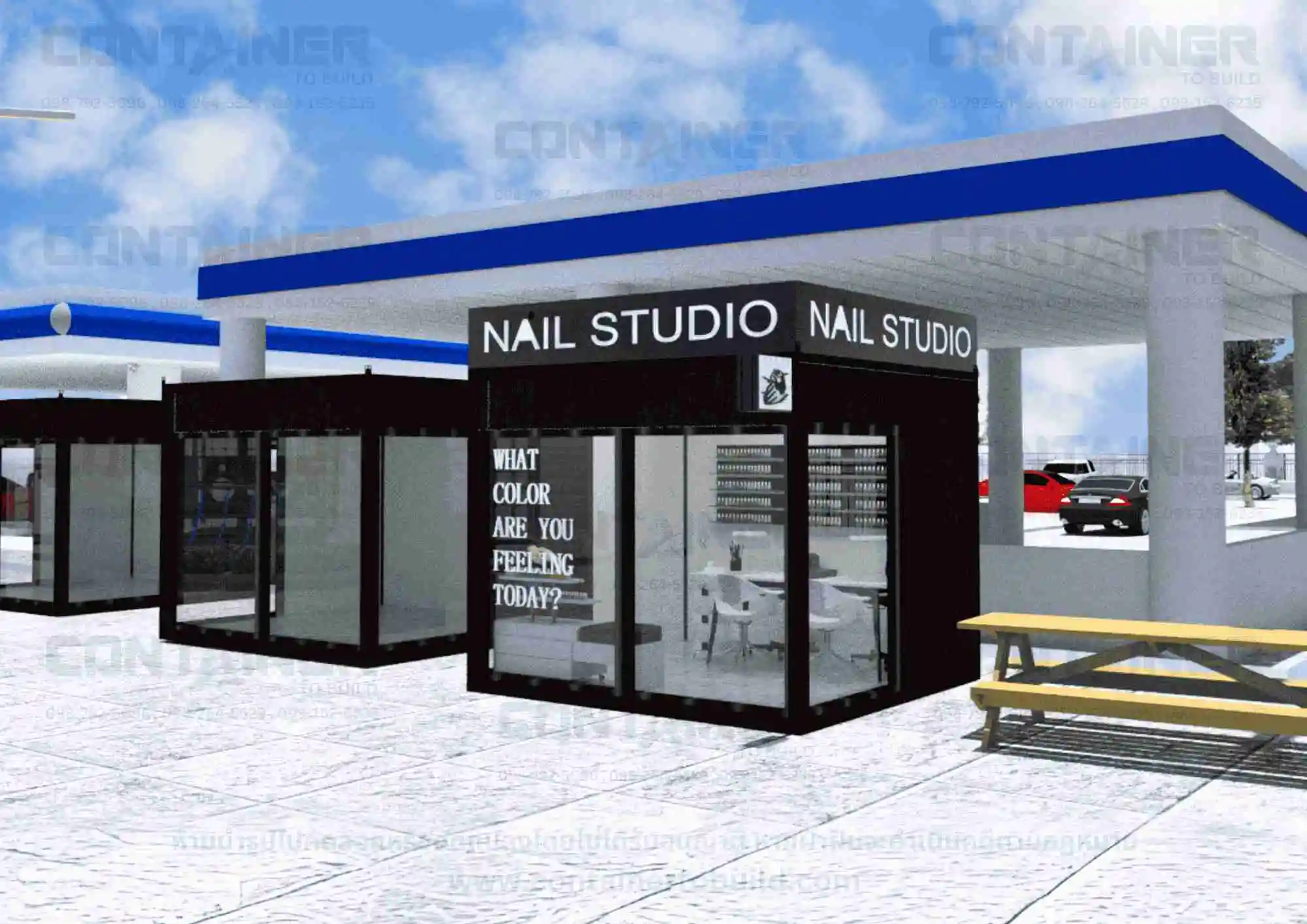
Mobile office units, container office units, office units or knock-down houses: can be designed to show off the box-shaped “identity” of the container, catching the eye and creating an identity for the organisation while signalling creativity and modernity.
4. Smart & Integrated Technology
Integrating Internet of Things (IoT) technology and automation into the structure and equipment of a building to increase efficiency, comfort, safety and energy savings. In the context of prefabricated office units and knock-down houses, this technology is even more important because systems are easier to install than in a conventional building. A modern office cannot do without technology, whether smart lighting that adjusts to light conditions, temperature control from a mobile phone, or complete audio and online meeting systems.
Mobile office units, container office units, office units or knock-down houses: are compact spaces, so installing a Smart Office system is easy and good value. Everything can be controlled from a single app, adding both convenience and energy savings.
5. Sustainability & Circular Design
The heart of mobile office units, container office units, office units and knock-down houses is taking structures that have already been used and adapting them again, reducing the construction of permanent buildings that consume too many resources. It also includes using recycled materials, installing solar panels, rainwater collection systems, or high-quality insulation such as PU foam.
Mobile office units, container office units, office units or knock-down houses: can be designed even when space is limited, making energy management as efficient as possible, for example designing for natural ventilation or adding a green roof to help lower the temperature inside the unit.
In summary, a container office is no longer just a temporary space. With these 5 new design trends, mobile office units, container office units, office units and knock-down houses can become beautiful, modern, flexible and planet-friendly workspaces. If you are looking for an office that reflects your identity and is ready for the future, these trends should not be overlooked.