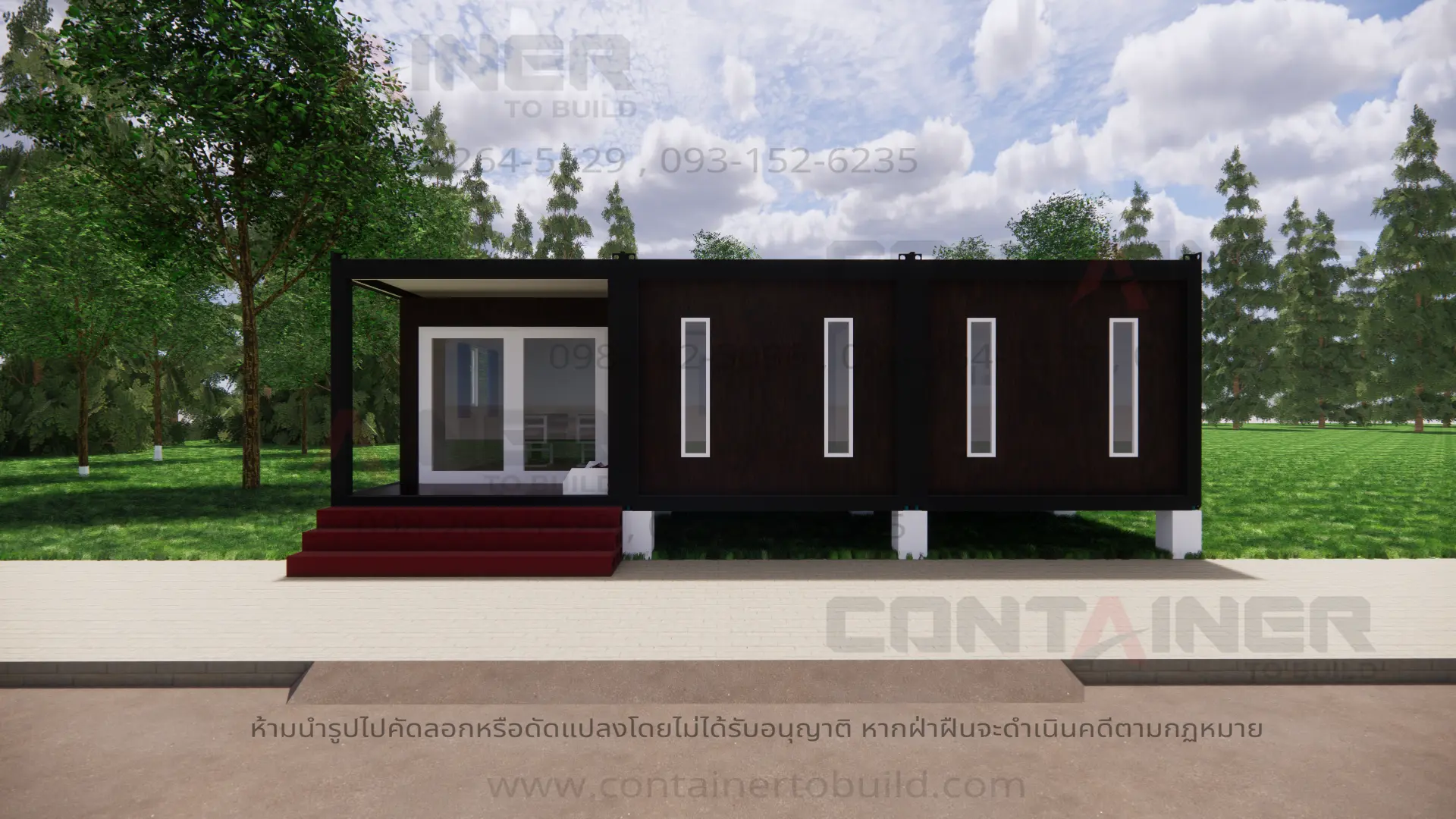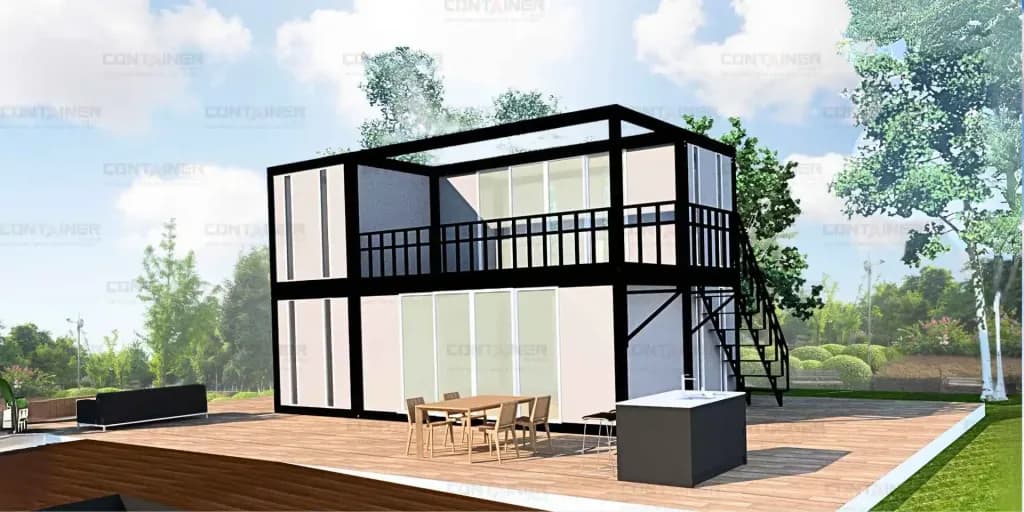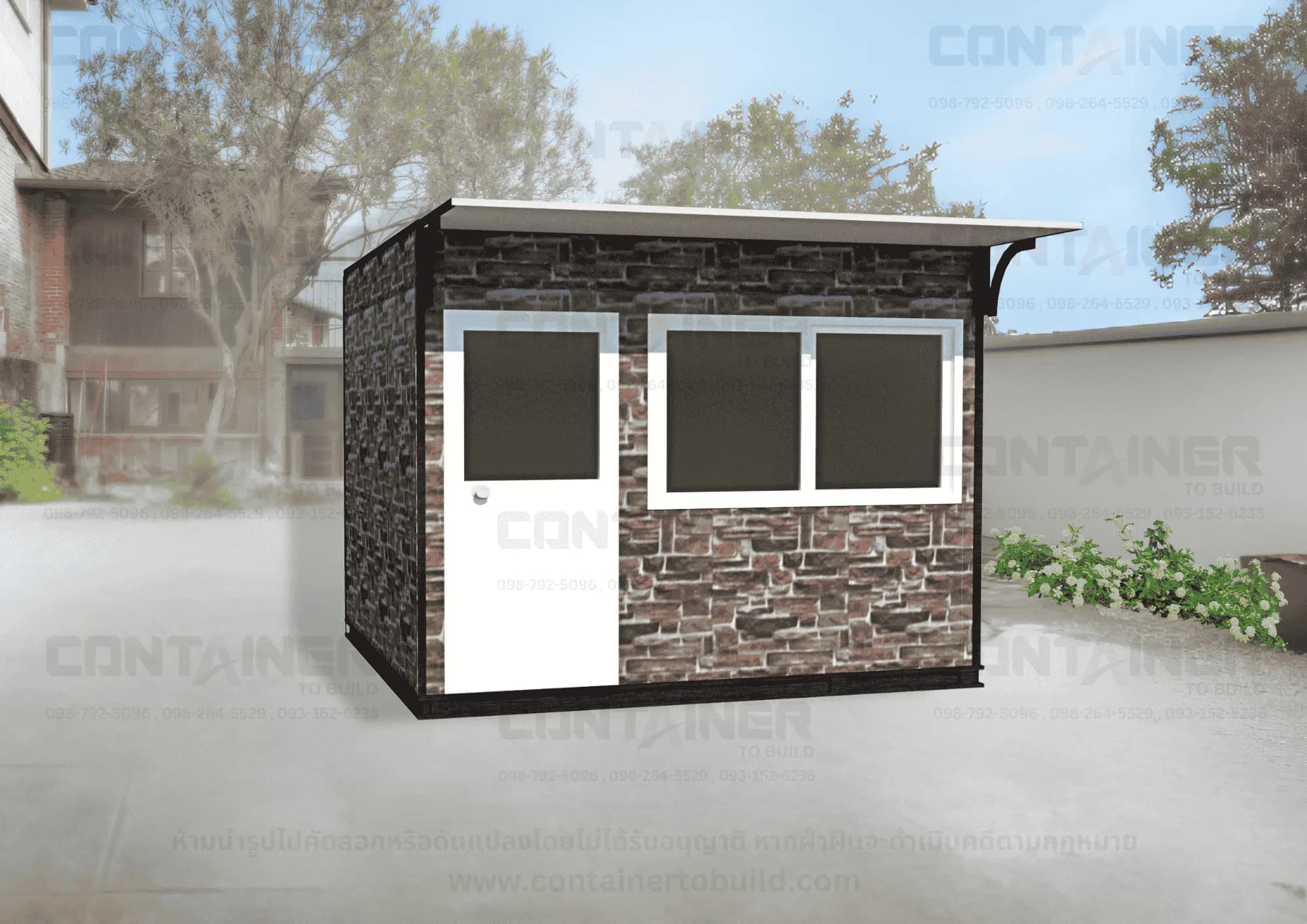
5 drawbacks of container homes — and how to fix them — before you decide
Published 17 Sept 2025 · Updated 2 Sept 2026
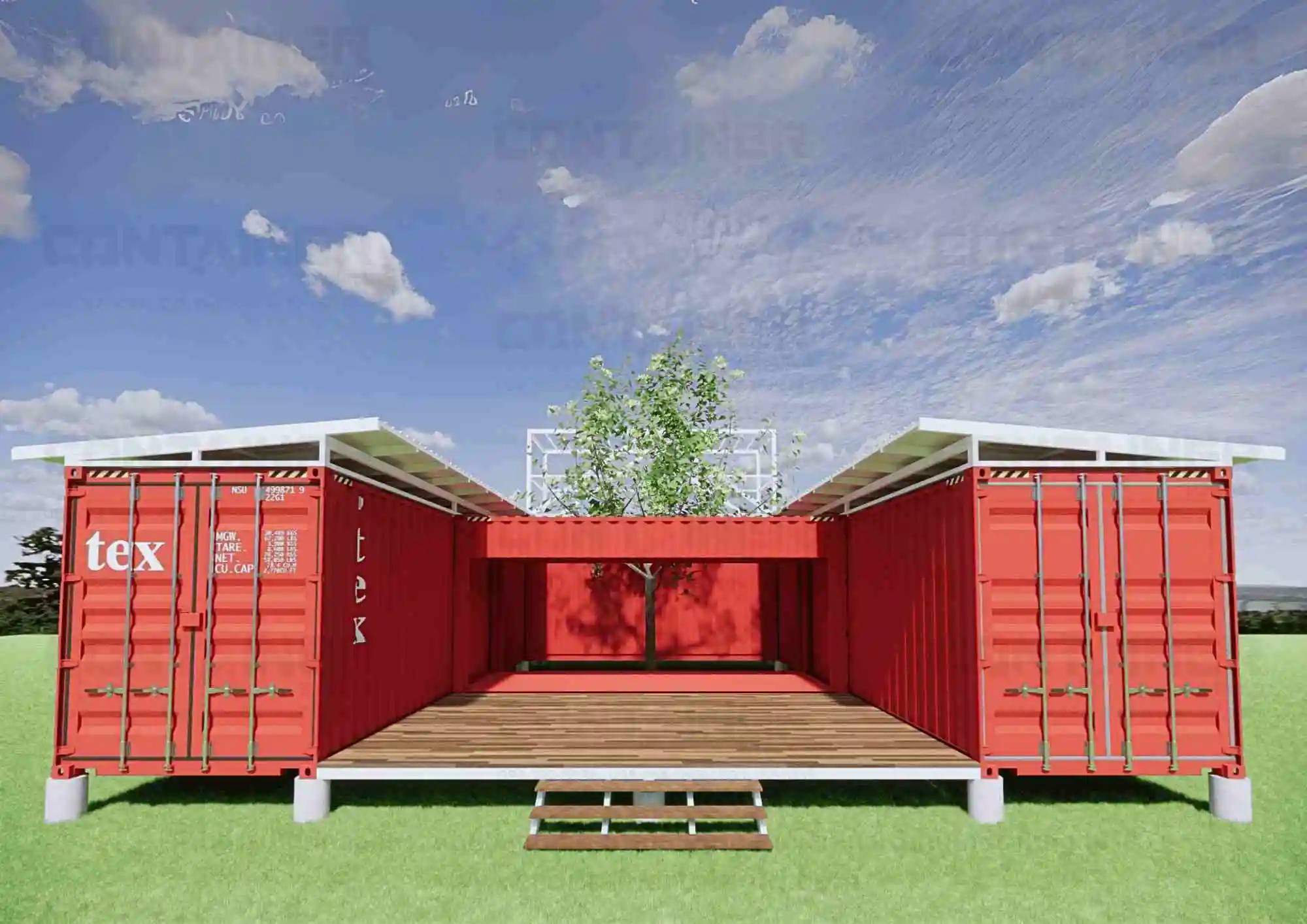
A deep dive into the drawbacks of container homes — heat, structure, safety and cost — with expert advice from ContainerToBuild for a decision that pays off.
container house, อาจดูเหมือนเป็นทางเลือกที่น่าสนใจสำหรับคนที่ต้องการพื้นที่ใช้งานเร็ว ดีไซน์ทันสมัย เคลื่อนย้ายได้ และดูเหมือนจะช่วยประหยัดงบประมาณเมื่อเทียบกับการก่อสร้างแบบทั่วไป แต่คำถามสำคัญคือ…
“บ้านตู้คอนเทนเนอร์ที่เห็นว่าสวยและราคาดี จะเหมาะกับการใช้งานของเราจริงหรือไม่?”
เพราะสิ่งที่เห็นจากภายนอกอาจเป็นเพียงส่วนหนึ่งของบ้านเท่านั้น แต่สิ่งที่อยู่เบื้องหลังยังมีอีกหลายเรื่องที่ควรพิจารณา ไม่ว่าจะเป็น ความร้อนในสภาพอากาศของประเทศไทย ความแข็งแรงของโครงสร้าง ความปลอดภัย การกันน้ำและสนิม พื้นที่ใช้สอย การขนส่งและติดตั้ง รวมถึงต้นทุนจริงหลังจากเริ่มปรับปรุงและตกแต่ง
หลายคนตัดสินใจจากคำว่า “ราคาถูก” หรือเห็นภาพบ้านตู้คอนเทนเนอร์สวย ๆ แล้วคิดว่านำตู้มาวางก็สามารถเข้าอยู่ได้ทันที แต่ในความเป็นจริง หากเลือกวัสดุหรือผู้ผลิตไม่เหมาะสม ปัญหาที่ตามมาอาจกลายเป็นค่าใช้จ่ายที่สูงกว่าที่คาดไว้ ตั้งแต่ค่าแก้ไขความร้อน ค่าเสริมโครงสร้าง ค่าซ่อมรั่วซึม ไปจนถึงค่าขนส่งและงานติดตั้งที่ไม่ได้รวมอยู่ในราคาเริ่มต้น
The drawbacks of container homes every home builder should know before deciding
Many people are drawn to container house, because of the modern design, the mobility and a price that looks cheaper than a conventional house. In reality, container homes are not all upside — there are container-home drawbacks you should understand before investing in a real build.
So you don’t make the wrong call, ContainerToBuild has gathered 4 key truths about the drawbacks of container homes with expert advice, so you can build a home that is beautiful, strong and worth the money.
Truth #1: container homes get “hotter” than you think
The drawback: containers are made of steel, a material that absorbs and conducts heat very quickly. The house gets extremely hot during the day and cannot hold the cool at night. Without proper measures, air-conditioning bills climb far higher than necessary.
ContainerToBuild’s advice: use high-quality heat insulation such as PU foam and design an air gap between the steel shell and the interior wall, plus ventilation openings and windows facing the right direction. Together these reduce heat very effectively.
Truth #2: strength drops every time you cut the steel
The drawback: a container’s strong point is its steel structure — but the moment you cut openings for doors or windows, that strength drops. Without proper reinforcement, the house may not be safe in the long run.
ContainerToBuild’s advice: every cut must be calculated by a structural engineer, with steel reinforcement designed at the key points, to keep the house strong and safe.
Truth #3: rust and chemical residues
The drawback: many second-hand containers spent years in cargo shipping and may carry rust and hazardous chemicals such as insecticides or surface coatings. If not dealt with properly before conversion, they can be a health hazard.
ContainerToBuild’s advice: before use, wash and scrub every surface thoroughly then coat with high-quality anti-rust paint and use safe materials for the interior, so the house is safe for both health and durability.
Truth #4: the real cost is “not always cheap”
The drawback: many people assume a container home is cheaper, but in reality there are many hidden costs — transport, insulation, electrical and plumbing systems, labour and structural reinforcement. Doing it yourself without an expert can blow the budget past that of a conventional house.
ContainerToBuild’s advice: working with container-home specialists keeps costs under control, because the design and budget are planned from the start — preventing overruns and giving you confidence the house is built to standard.
Summary: understand the drawbacks before you build
container house, is an appealing choice for people who like something different, but it has real limitations. If you understand the drawbacks and plan the fixes properly, a container home can be liveable, strong and great value.
ContainerToBuild is not just a seller of converted containers — we are the partner who helps you build the container home of your dreams safely and without worry.
About SBT Worldwide Product
SBT Worldwide Product — a leading Thaimanufacturer and distributor of container units Knock-down houses prefab office units for more than 25 years
- High-quality materials you can rely on for strength
- Japanese innovation
- Quality doors and windows by TOSTEM
- PU foam heat insulation
Our products including Mobile office containers, Worker housing, Prefab toilet units, Guard booths, container coffee shops, prefab retail kiosks
Rental services: office container rental, Office Containers, prefab toilet unit rental on monthly and yearly terms
Container units remain an endlessly creative trend. If you have questions about unusual designs, or would like to share your experience with your container or container office, feel free to leave a comment below. And don’t miss our next article, where we dig deeper and answer your questions onall things containers office containers so you keep finding new inspiration.