Knock-down houses and knock-down units explained: the 4 types, how they are built, pros and cons, lifespan and permits
Published 19 Feb 2025 · Updated 31 Aug 2026 · 5 min read
In this article
In Thailand the word "knock-down" is used for four kinds of building that look different and are built differently. That is why people end up saying "I bought a knock-down house and it was not what I expected." This article puts everything you should know before buying in one place: the four types, how our unit houses are built, pros and cons, lifespan, permits and how to read prices.
1. What "knock-down" means
Parts are made in a factory, taken to the site and assembled with bolts and nuts. Unlike a brick-and-mortar house built on site, the building is made in the factory, so installation is fast, quality is consistent and the price is known in advance. It can be taken apart and moved, so it goes with you if you change land.
2. The four buildings called "knock-down"
| Type | How it is built | Moving and extending | Suited to |
|---|---|---|---|
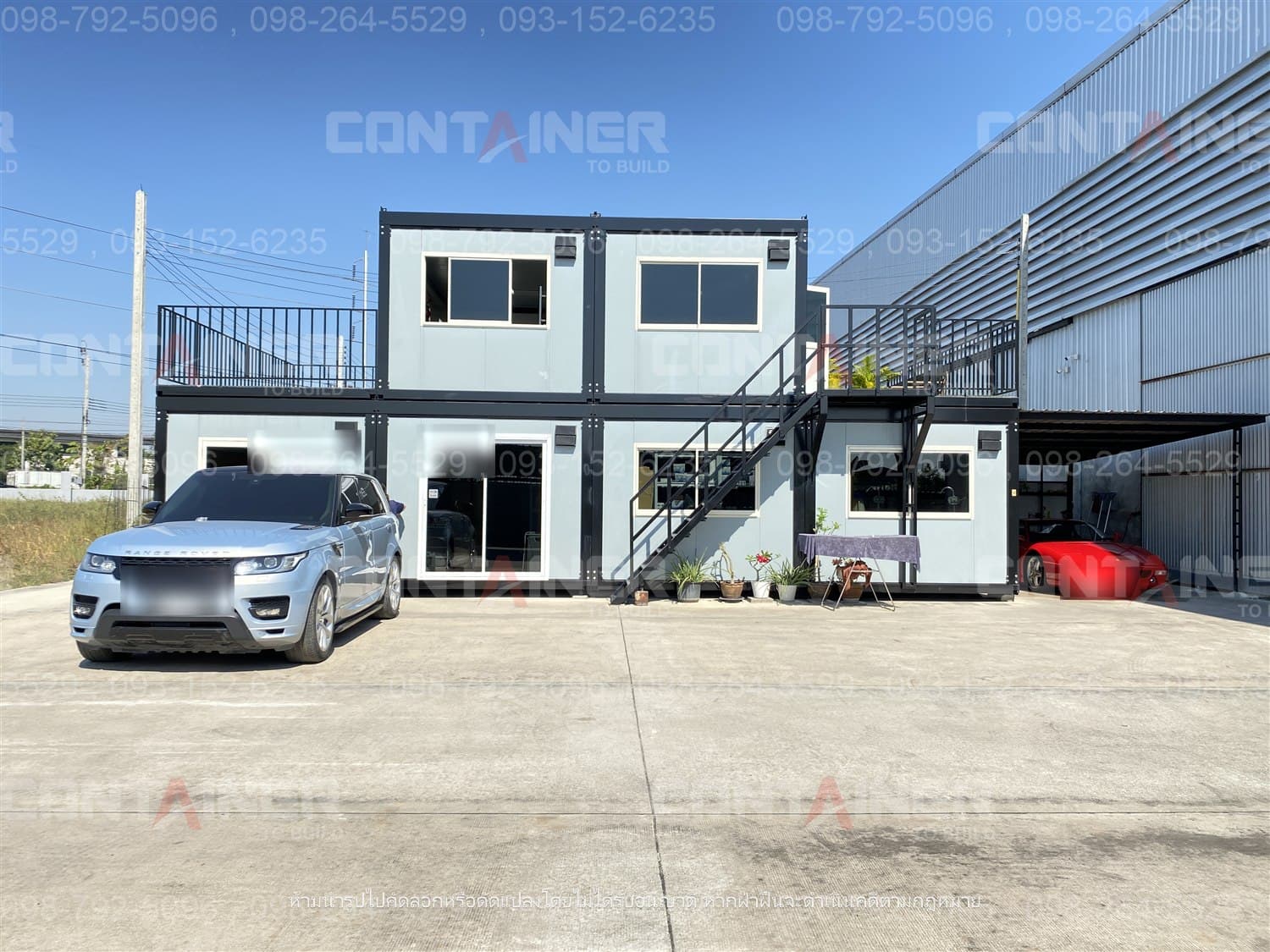
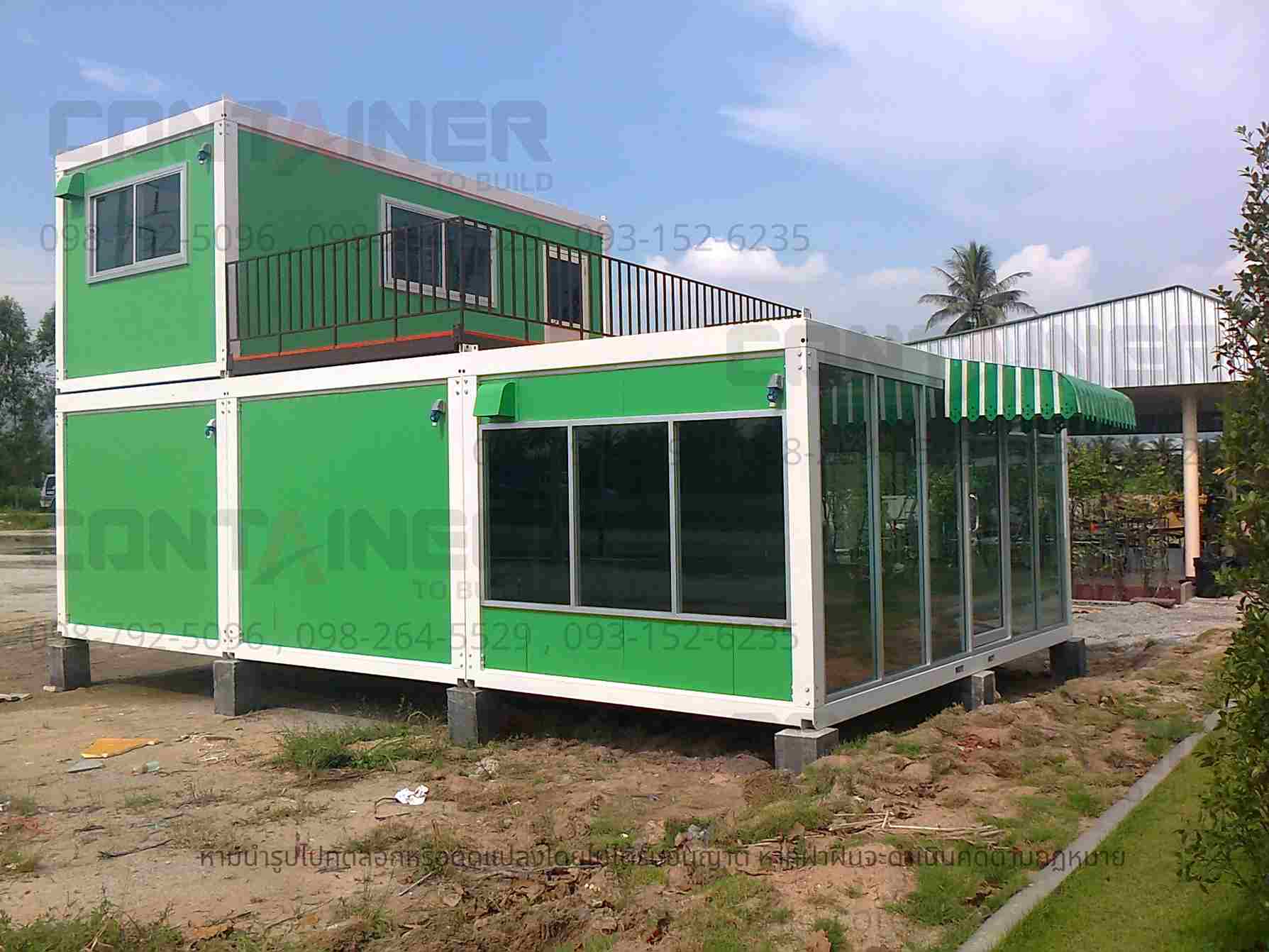
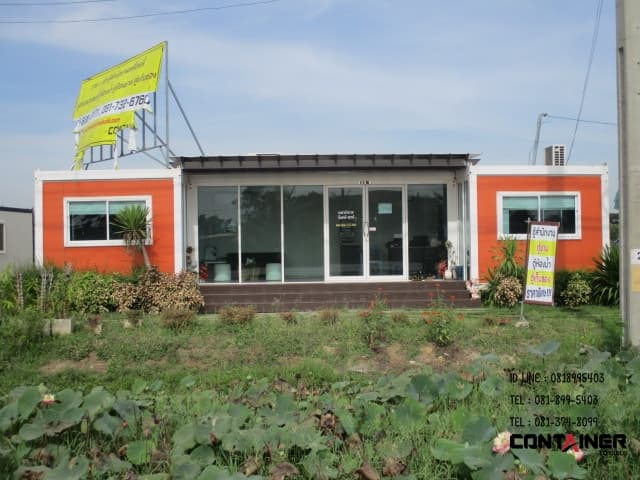
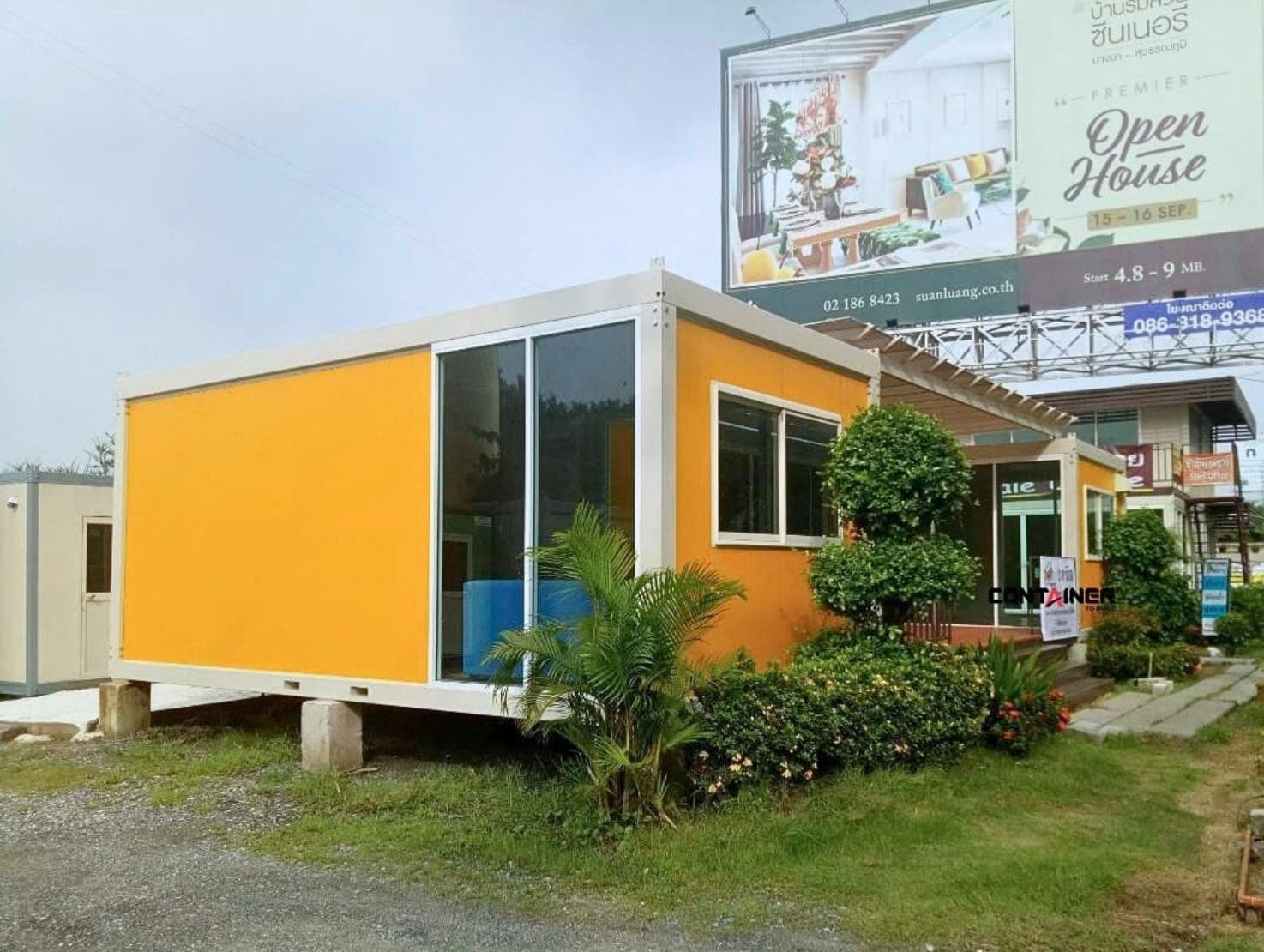
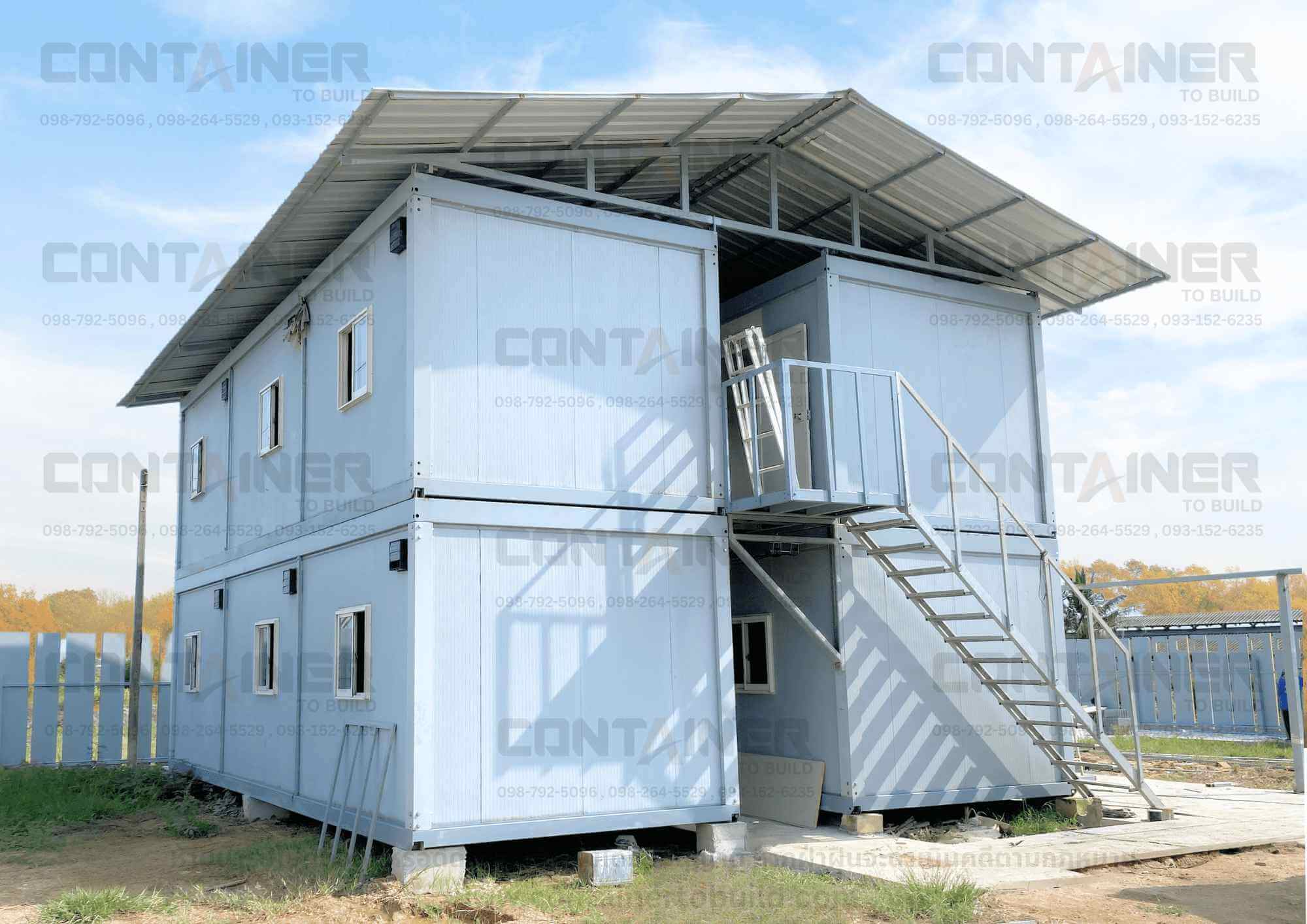
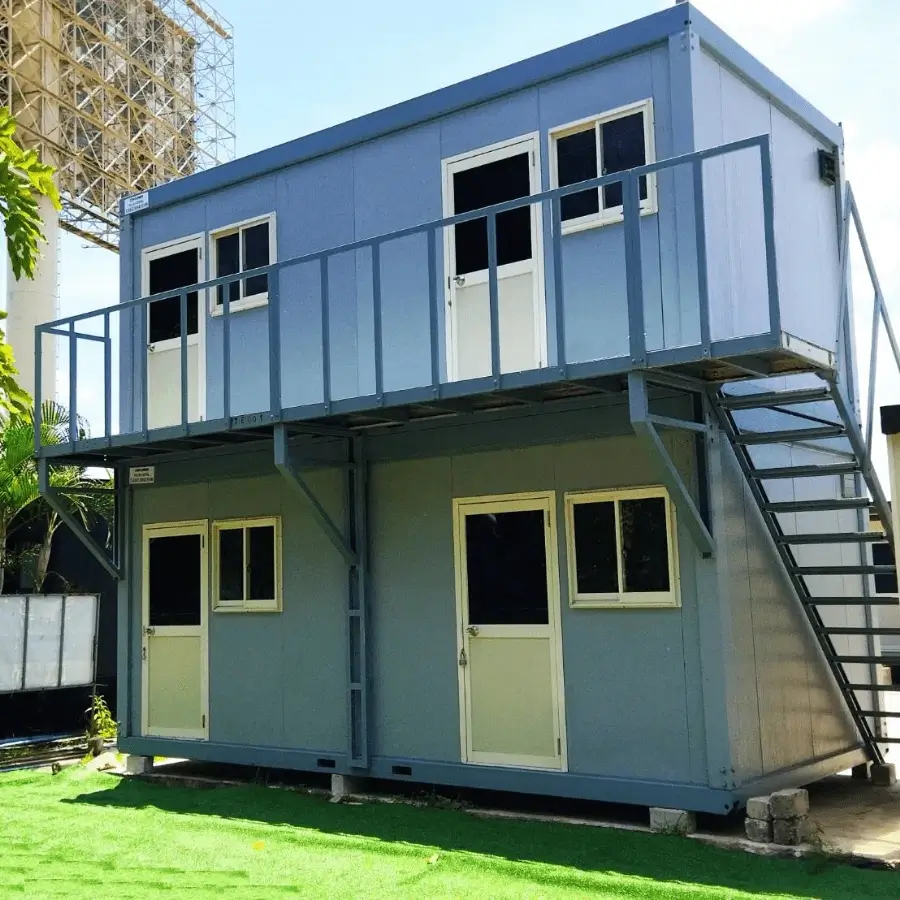
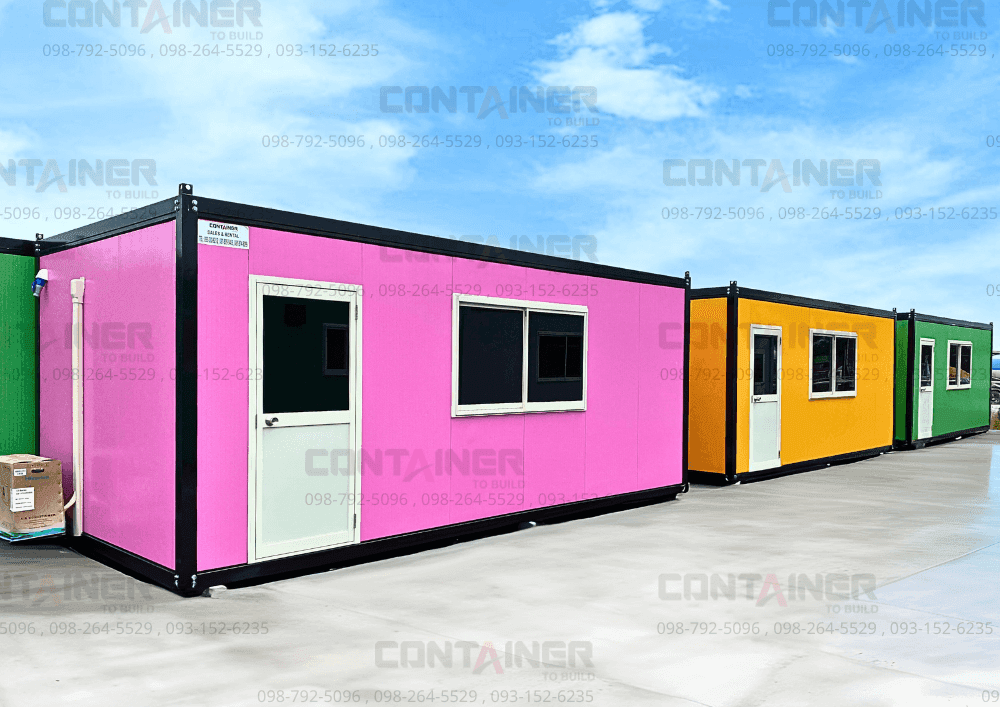
| Unit house (our product) | Steel frame with insulated wall panels, windows and doors slotted in. Finished as a complete unit in the factory and delivered | Lifted and moved as a whole unit. Units join to extend and can go two storeys. Panels replaced one at a time | Offices, worker housing, shops, annexes, small homes. Moved often and used for years |
| House-look knock-down (other makers) | Light steel or timber frame with wall cladding fixed on site. Looks close to an ordinary house | Hard to take apart once built, and hard to extend | Living in one place; people who put looks first |
| Converted shipping container | A steel shipping container (20 ft or 40 ft) with windows and doors cut in | Heavy; 40 ft needs a trailer. Insulation is added afterwards | Warehousing, storage, heavy loads |
| Low-cost imported house (mainly Chinese-made) | Every part bolted together; no welding | Bolts loosen when moved. A single panel cannot be replaced | Placed once and never moved |
On looks, a house-look knock-down is more house-like than a unit house, and a shipping container is the toughest. None is better or worse in itself. Choose by whether you will move it, how many years you will use it, and what for. The details are in how house-look knock-down houses differ and how Chinese-made knock-down houses differ (16-point table).
3. How our unit houses are built
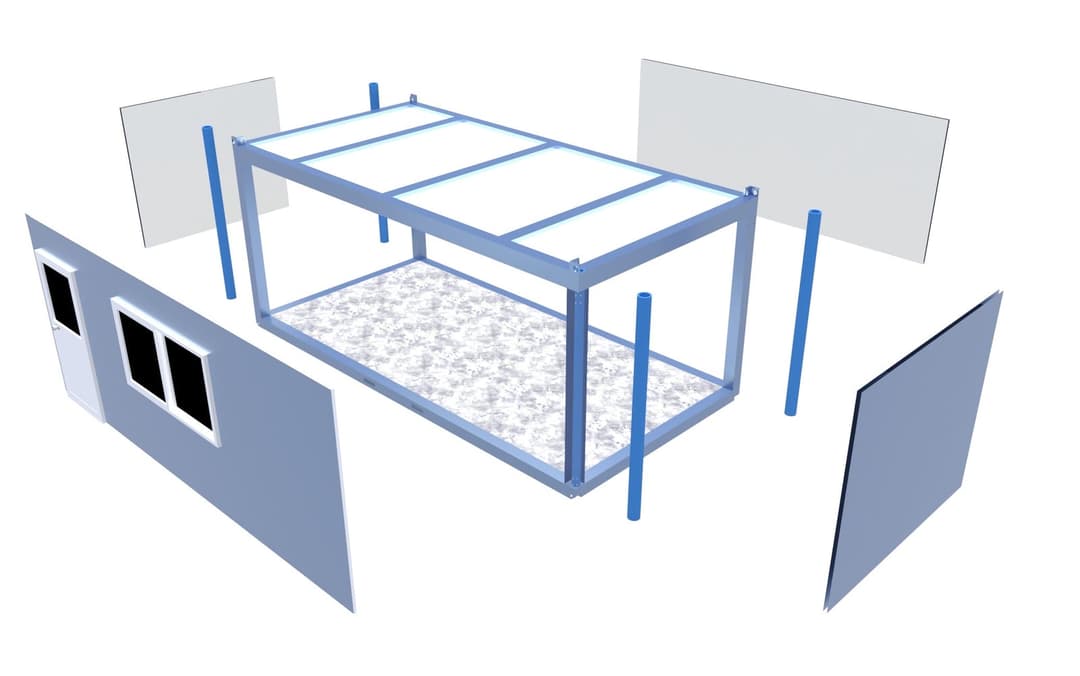
- A three-part frame: roof base, columns, floor base, joined with bolts and nuts, so it can be taken apart for transport.
- Roof and floor bases welded in the factory: they carry the structure, so each is one welded frame. Welding needs equipment and adds cost, but the frame does not twist however many times it is moved.
- Wall panels, windows and doors just slot in between the columns: no bolts. So window and door positions can be changed after assembly, and a worn panel is replaced on its own (see the drawings).
- Materials: injected polyurethane (PU) foam insulation, rigid in itself and part of the panel strength; 0.3 mm embossed steel skin; floor steel thick enough to weld; TOSTEM (Thailand) windows and doors.
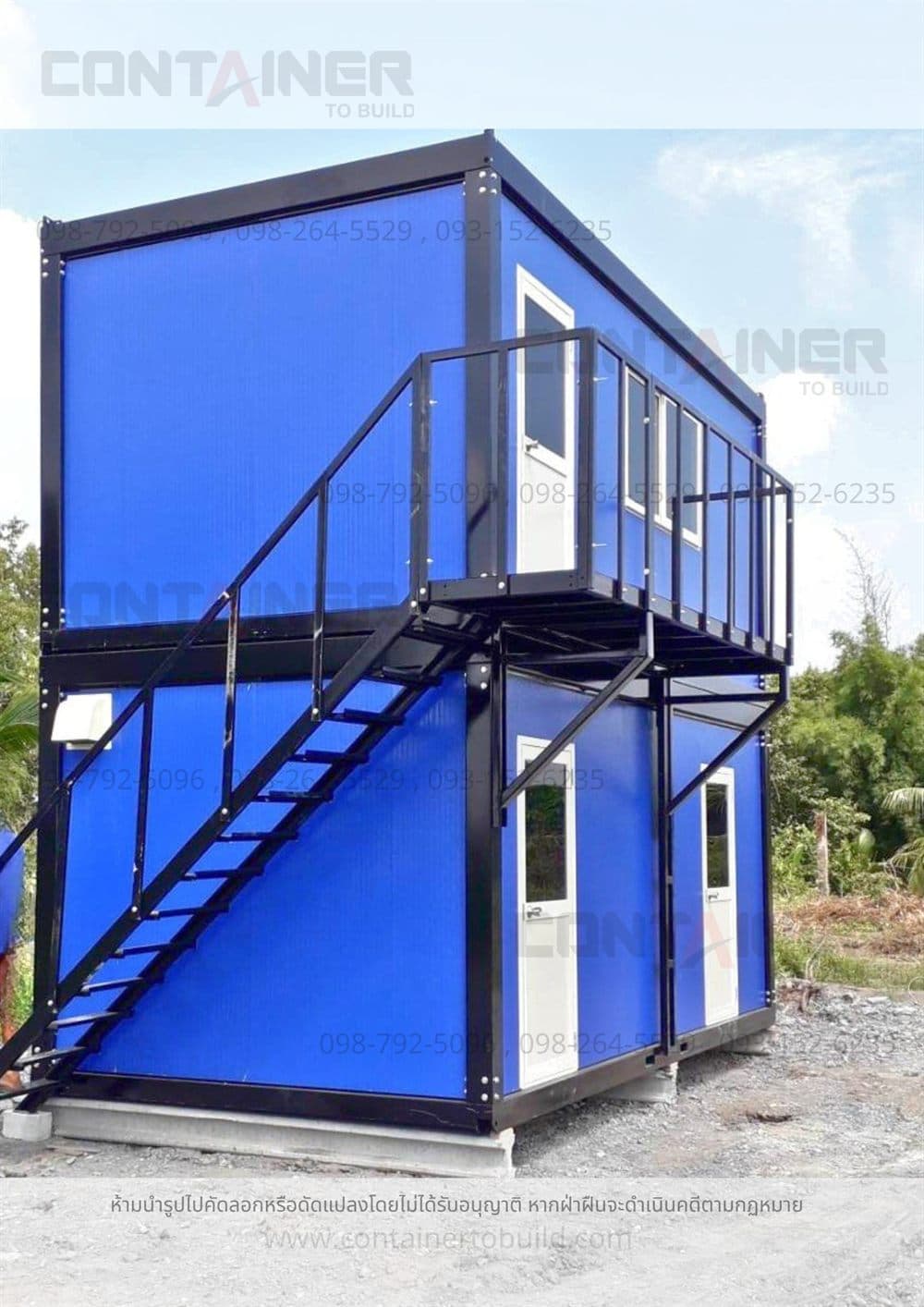
- Joining and two storeys: Work House (WH / WL) joins on both the short and long sides; P-House (PH) on the long side only. Both can be two storeys.
4. Advantages (facts only)
- Fast: in-stock units arrive in 2–3 days and are installed in a day. Units made to order add production time.
- Price known in advance: built in the factory, so costs do not grow on site.
- Consistent quality: not at the mercy of rain or site labour.
- Movable and extendable: lifted as a whole unit, and extended by adding units.
- Little waste: almost nothing is cut or left over on site.
5. Disadvantages, and what to know before buying
- It looks like a unit house. It will not have the feel of an ordinary house; detachable decorative options change it only so far.
- The concrete floor is separate: the base the unit sits on (concrete footing or ground preparation) is not included. On soft ground it will settle.
- Transport and installation are separate: they depend on distance and site conditions and are quoted.
- Shorter life than an ordinary house: see section 6.
- Permits depend on the local authority: see section 7.
- Bank mortgages are hard to get: unlike a house with land, banks are cautious about lending on the building alone. We take credit-card instalments (terms set by the card issuer).
- We do not sell shipping containers: if you searched "knock-down" but want a steel shipping container, read what to check before buying a used container.
6. How long it lasts
Thailand's 2569 (2026) construction-cost appraisal table gives knock-down houses a 20-year life and concrete houses 50. With normal care the main structure serves 20–30 years. Every 10 years, renew the joint sealant and the exterior paint. Without care the outside looks old before the structure does. Our units serve 10+ years in rental and then another 10–20 years as used units.
7. Permits
Whether a building permit is needed is decided by the local authority (municipality or sub-district) where the unit will stand. Some cases fall under the Building Control Act B.E. 2522. Check with the authority before you buy. We can prepare the drawings and documents for the application (for a fee). More in building permits for knock-down houses.
8. Who it suits, and who it does not
- Suits: you want to start using it soon / you rent the land or may move / you want the budget fixed first / office, worker housing, shop, annexe, small home / you may extend later
- Does not suit: the look and feel of an ordinary house matter most / you will live in one place for 30+ years with no extension and no move
9. How to read prices
A unit house is priced by size, model and condition (new, display, used). To compare with other ways of building, compare the price per square metre. Construction cost per square metre sets the appraisal-table figures beside our real prices. Prices by model are on the products page (transport and installation excluded).
Frequently asked questions
Is it hot inside?
The walls and roof have polyurethane foam insulation, so they let through less heat than a brick wall. On a sunny site, ask us about air-conditioner placement and window orientation.
Can it be moved later?
Yes. Lifted as a whole unit or taken apart. The wall panels, windows and doors slot in, so nothing gets broken.
Can it be extended later?
Yes. Units join to extend, two storeys are possible, and window and door positions can be changed.
Can you live in it?
Yes. Plumbing and electrics are fitted to the specification. But it looks like a unit house.
Are used units all right?
Our used units come back from rental, are inspected and have panels replaced before sale. The differences between new, display and used are on the product pages.
See it in the showroom
It is close to a 100,000-baht purchase. Come to the showroom, press a panel with your hand, look at the welded frame and watch a window being taken out (showroom location and contact).