4 Downsides of Container Houses and How to Fix Them Before You Decide
Published 17 Sept 2025 · Updated 2 Sept 2026 · 4 min read
In this article
- An in-depth look at the downsides of container houses, from heat and structure to safety and cost, with expert advice from ContainerToBuild to help you make a decision that is worth it
- Downsides of container houses that home builders must know before deciding
- Truth No. 1: Container houses are “hotter” than you think
- Truth No. 2: Strength drops once the container is cut
- Truth No. 3: Rust and chemical residue
- Truth No. 4: The real cost is “not always lower”
- Summary: Understand the downsides of container houses before deciding to build
- Frequently asked questions
In short: Container houses have four main drawbacks: the steel walls make them hot, cutting doors and windows weakens the structure, used containers can carry rust and chemical residue, and the real cost rises above the starting price once transport, insulation, wiring and plumbing are added. Each one can be handled if you plan from the start. If heat and cutting steel worry you, a unit house with PU insulated panels is another option.
An in-depth look at the downsides of container houses, from heat and structure to safety and cost, with expert advice from ContainerToBuild to help you make a decision that is worth it
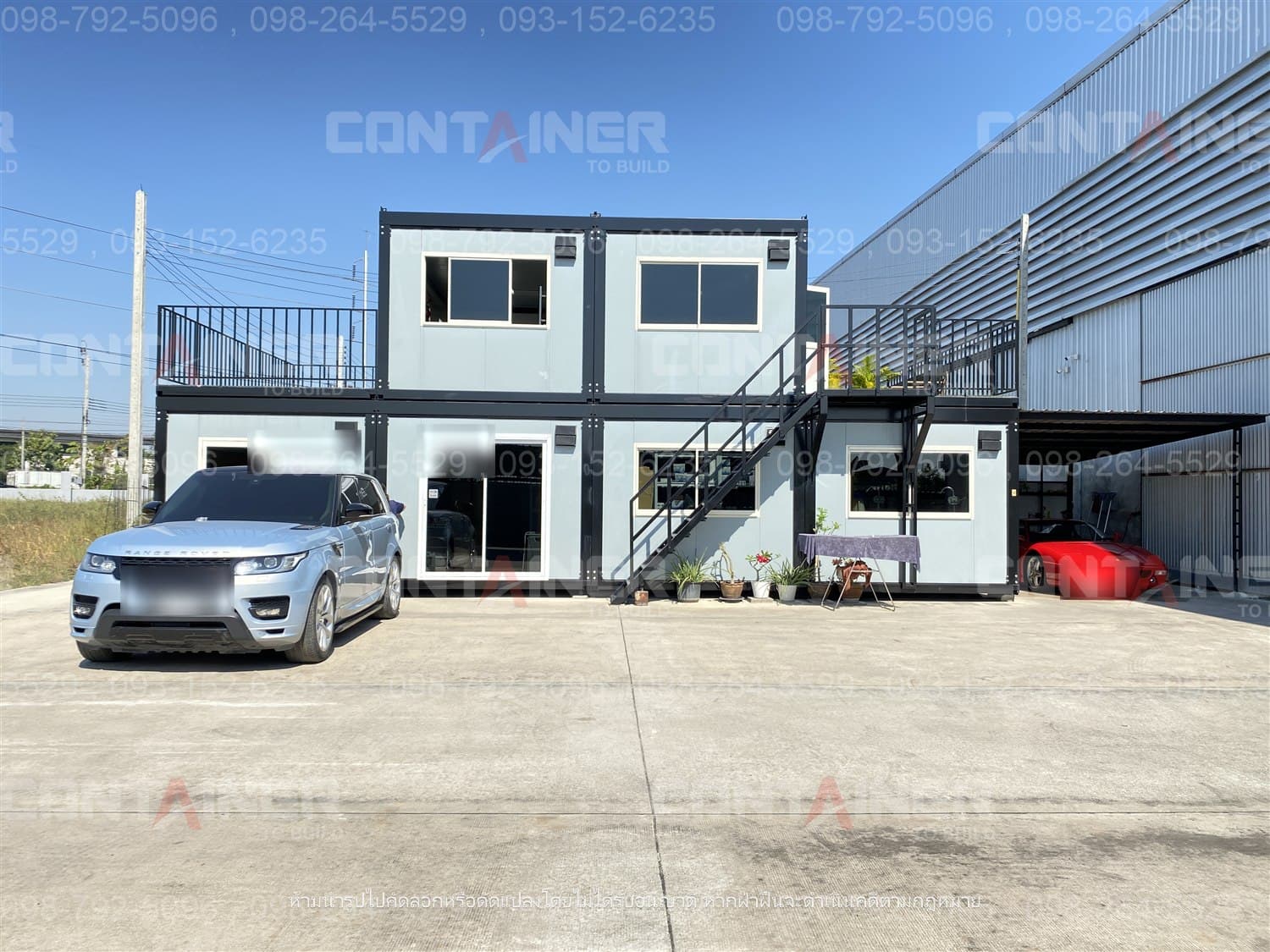
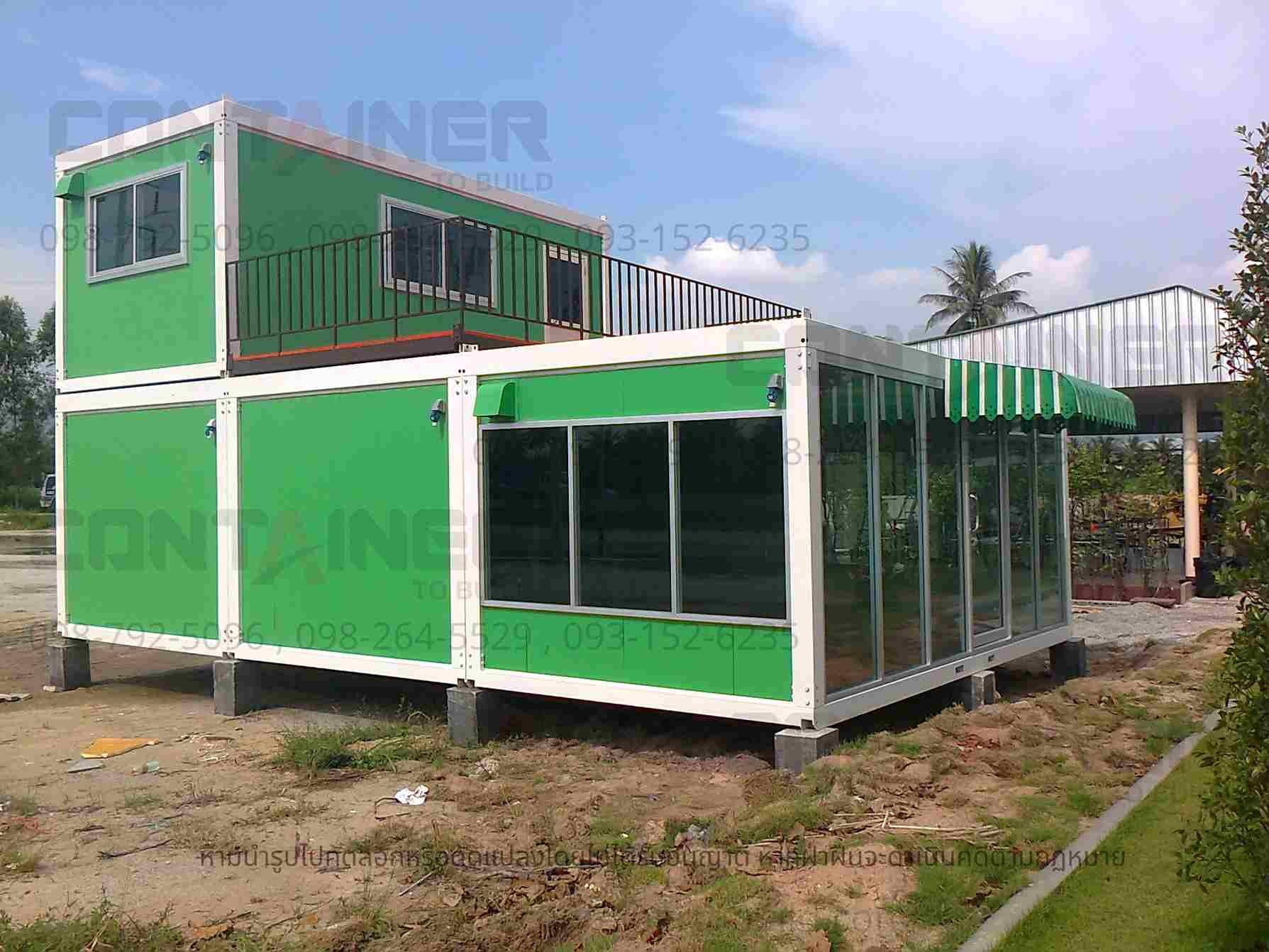
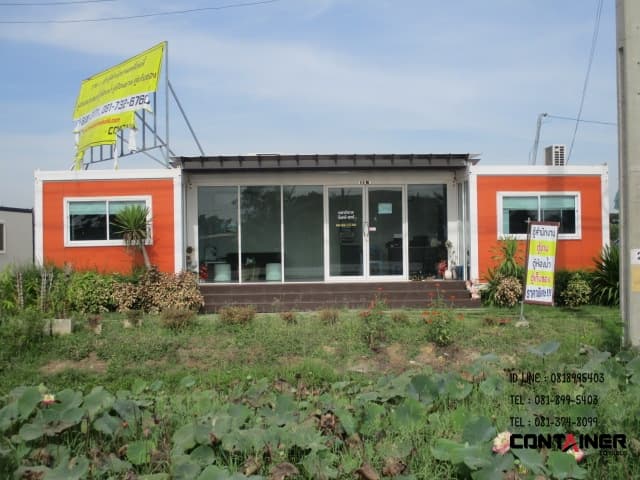
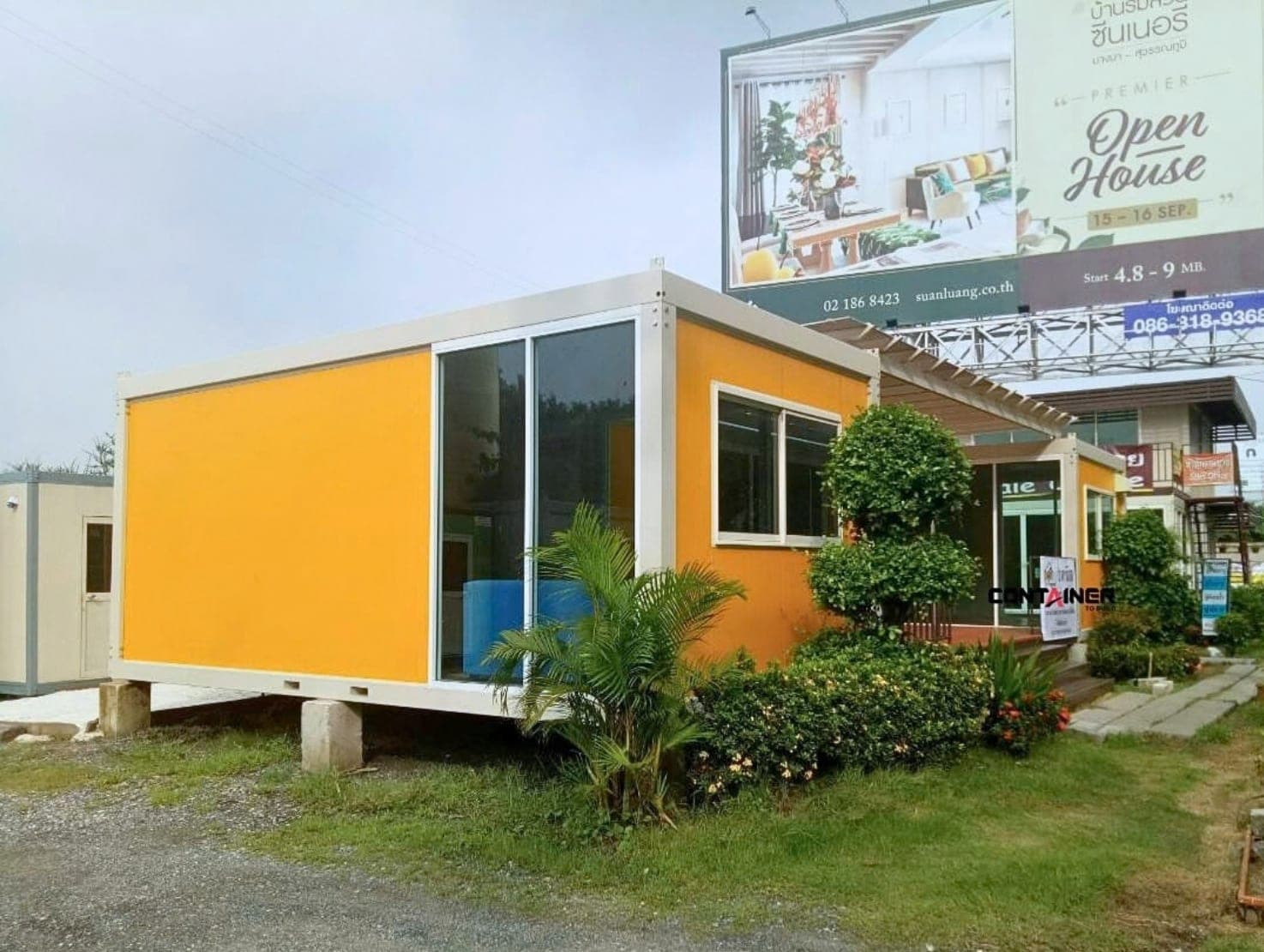
A container house may look like an attractive option for anyone who needs usable space quickly, wants a modern design, wants something that can be moved, and seems to save budget compared with conventional construction. But the important question is…
“Will the container house that looks beautiful and well-priced really suit the way we will use it?”
What you see from the outside may be only one part of the house. Behind it there are many other things to consider, such as heat in Thailand's climate, structural strength, safety, waterproofing and rust, usable space, transport and installation, and the real cost once renovation and fit-out begin
Many people decide based on the words “low price”, or they see photos of beautiful container houses and think a container can simply be set down and moved into right away. In reality, if the materials or the manufacturer are not the right choice, the problems that follow can turn into costs higher than expected, from fixing heat problems, reinforcing the structure and repairing leaks, to transport and installation work that was not included in the starting price.
Downsides of container houses that home builders must know before deciding
Many people are interested in building a container house because of its modern design, its mobility, and a price that seems lower than a conventional house. But in truth, container houses do not have only advantages. There are also many downsides of container houses that you should understand before actually investing in building one.
So that you do not make the wrong decision, ContainerToBuild has put together 4 important truths about the downsides of container houses, with advice from experts, so you can build a home that is beautiful, strong and worth the money.
Truth No. 1: Container houses are “hotter” than you think
Downside: Shipping containers are made of steel, a material that absorbs and conducts heat very quickly. As a result, the house gets extremely hot during the day and cannot hold the cool at night. Without the right measures, the electricity bill for air conditioning will be higher than necessary.
Advice from ContainerToBuild: Choose high-quality heat insulation such as PU foam, and design an air gap between the steel wall and the interior wall. Installing vents and windows facing the right directions will also reduce heat effectively.
Truth No. 2: Strength drops once the container is cut
Downside: The strong point of a shipping container is its sturdy steel structure, but as soon as it is cut to make doors or windows, the structural strength drops. Without proper reinforcement, the house may not be safe in the long term.
Advice from ContainerToBuild: Every time the container is cut, a structural engineer must calculate and design steel reinforcement at the key points to maintain the strength and safety of the house.
Truth No. 3: Rust and chemical residue
Downside: Many used shipping containers have spent a long time transporting goods and may carry rust and hazardous chemical residue, such as pesticides or surface coatings. If this is not dealt with properly before conversion, it may be harmful to health.
Advice from ContainerToBuild: Before use, thoroughly wash and sand the surfaces clean, then coat them with high-quality anti-rust paint, and choose safe materials for the interior finishing, so the house is safe for both health and durability.
Truth No. 4: The real cost is “not always lower”
Downside: Many people believe that buying a container house will cost less, but in reality there are many hidden costs, such as transport, insulation, electrical and plumbing systems, labour, and structural reinforcement. If you choose to do it yourself without experts, the budget can balloon until it costs more than a conventional house.
Advice from ContainerToBuild: Using the services of container house experts helps control costs better, because the design and budget are planned from the start. This helps prevent costs from ballooning and gives you confidence that you get a quality house that meets standards.
Summary: Understand the downsides of container houses before deciding to build
A container house is an attractive option that suits people who like something different, but it also has limitations in many areas. If you understand the downsides and plan the fixes properly, a container house can be a pleasant, strong home that is worth the money.
ContainerToBuild is not just a seller of converted containers, but a partner who will help you build your dream container house safely and without worry.
Frequently asked questions
Are container houses hot?
Yes. The walls are steel, which absorbs and passes heat quickly. To live in one you need insulation such as PU foam, plus vents and well-placed windows.
Is a container house really cheaper than an ordinary house?
Not always. The starting price often leaves out transport, insulation, wiring and plumbing, labour and structural reinforcement. Ask for a quotation that lists what is included.
Can a used shipping container be made into a house?
Yes, but containers that carried cargo can hold rust and chemical residue. Wash and grind the surfaces, then apply anti-rust paint before fitting out the interior (see what to check before buying a used container).